Twenty-nine daily-wage employees challenge their termination, alleging bias linked to the previous administration and urging an impartial review of the decision

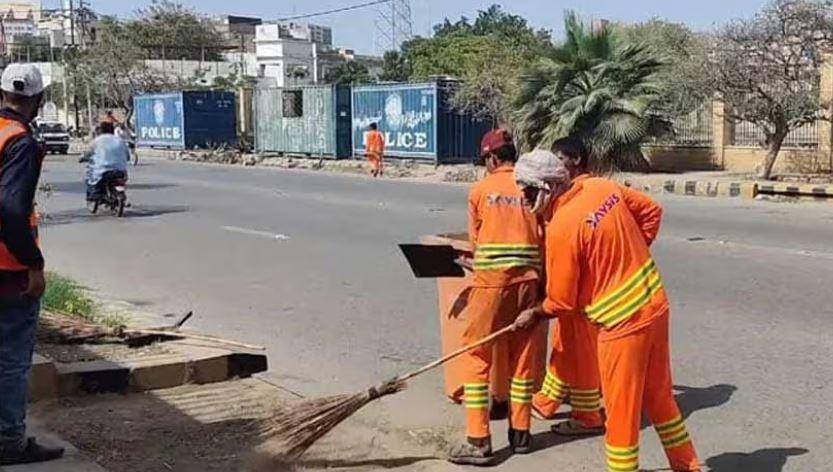
KARACHI -- The termination of 29 daily-wage employees by the Sindh Solid Waste Management Board (SSWMB) has sparked concern over the treatment of some of the organisation's most financially vulnerable workers, with the affected employees alleging that the decision was influenced by bias rather than merit.
Daily-wage employees are often among the most economically disadvantaged members of any organisation. Unlike permanent staff, they usually have little or no job security, limited employment benefits, and rely on their daily earnings to support their families.
For many, even a brief interruption in employment can have severe financial consequences, affecting their ability to pay rent, purchase food, educate their children, and meet essential household expenses. Despite these challenges, daily-wage workers frequently perform critical responsibilities that keep public institutions functioning.
According to an official order issued by the Sindh Solid Waste Management Board on 27 July 2026, the services of 29 daily-wage employees have been discontinued, with the order stating that they will cease performing their duties after office hours on 31 July 2026.
The order states that the decision was taken following the recommendations of a committee constituted to verify records and assess the daily-wage staff, with the approval of the competent authority.
However, the affected employees dispute the decision. They allege that the dismissals were not based on performance but were influenced by their association with the administration of former Managing Director Tariq Ali Nizamani, who left office on 6 July 2026 following notification issued by the Chief Secretary of Sindh.
According to the employees, many of those removed had been carrying out their responsibilities diligently and had never received adverse performance reports. They argue that their work and commitment were well known within the organisation and question why employees with satisfactory service records were selected for termination.
The dismissals have also raised broader concerns about transparency in public-sector employment decisions. Labour rights advocates often stress that employment-related decisions should be based on objective criteria, documented performance, and equal treatment rather than perceived affiliations with previous administrations. They argue that transparent procedures help protect both institutional credibility and employees' confidence in the system.
The affected workers have appealed to SSWMB Chairman Barrister Murtaza Wahab to review the committee's findings and the circumstances surrounding the terminations. They have requested that the matter be examined impartially and that any employee found to have been removed without fair and objective justification be given appropriate relief.
The case is expected to draw attention from labour rights groups and civil society organisations, as it raises important questions about fairness, due process, and the protection of vulnerable workers within public institutions.

SpaceX will try catching Starship and its booster for first time, Musk says
- 17 hours ago

Agha back but no Rizwan for Pakistan following England debacle
- 13 minutes ago
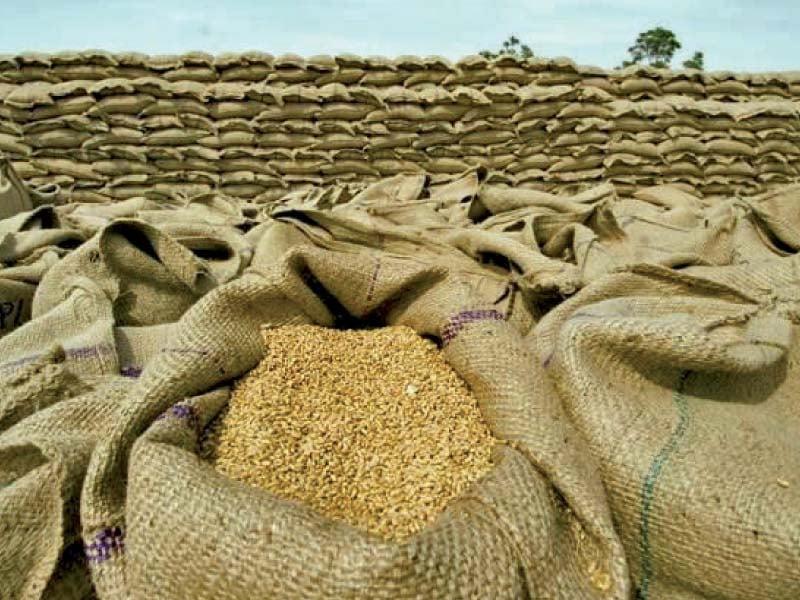
PM Shehbaz sets illustrative wheat price at Rs4,500 per 40kg for 2027
- a day ago

10 terrorists, including one female, killed in Gwadar: ISPR
- a day ago
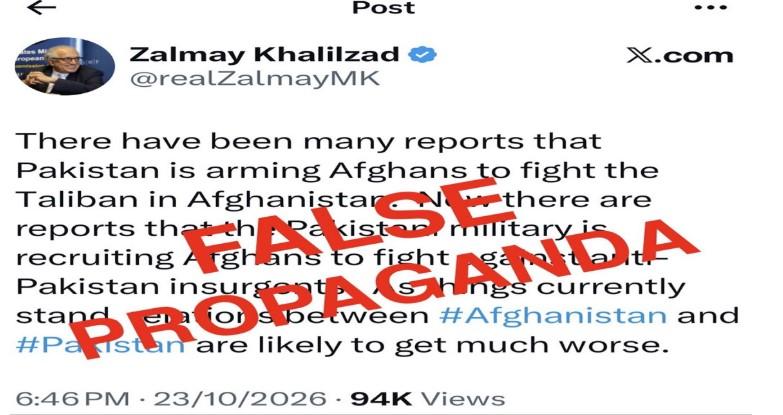
Pakistan rejects Khalilzad's allegations of arming Afghans
- 6 hours ago

US military bans BYD vehicles from strategic air base in Japan
- a day ago

How to ban gerrymandering when the Supreme Court is stacked against you
- 15 hours ago

Xbox Cloud Gaming’s pay-as-you-go option starts at $3.99 for 10 hours
- 8 hours ago

JustWatch now streams TV shows and movies, too
- 17 hours ago
FinMin Aurangzeb, WB discuss Pakistan's economic reform agenda
- a day ago

Saudi forces say intercepted two Houthi missiles targeting Yanbu, Taif
- 6 hours ago
Colleges can do more to prevent sexual assault. Here’s where to start.
- 15 hours ago