Brent futures were up 75 cents, or 0.84%, to $89.66 a barrel by 0553 GMT, while US West Texas Intermediate (WTI) crude climbed 72 cents, or 0.87%, to $83.92. Both contracts had risen more than $1 earlier in the session

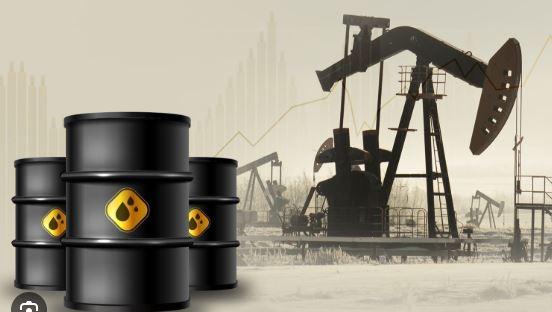
BEIJING (REUTERS) -- Oil prices rose on Wednesday as doubts about a US-Iran peace deal and attacks on two ships fuelled concerns about disruptions to Middle East supplies, although industry data showed swelling inventories of US crude.
Brent futures were up 75 cents, or 0.84%, to $89.66 a barrel by 0553 GMT, while US West Texas Intermediate (WTI) crude climbed 72 cents, or 0.87%, to $83.92. Both contracts had risen more than $1 earlier in the session.
That followed Tuesday’s rises of more than $1 for the highest closes of both contracts since July 31.
Prices had jumped about 5% on Monday as hopes began to fade for a peace deal between the United States and Iran, after President Trump issued a new demand that Iran offer compensation for those killed in wars, attacks and protests.
“The Middle East is increasingly becoming a seesaw between ‘deal’ and ‘war’, keeping oil prices swinging like a pendulum between $70 and $90 a barrel,” said Priyanka Sachdeva, head of market insights for Phillip Nova in Singapore.
The United States and Yemen’s Iran-aligned Houthis reported separate attacks on shipping in the Strait of Hormuz and the Bab el-Mandeb Strait on Tuesday.
Iran’s top security official, Mohsen Rezaei, said the vital Strait of Hormuz would stay closed unless the US accepted Iran’s conditions to end the war, including release of its frozen assets and an end to other regional conflicts.
The United States may let Iran “bop along” or “hit them really, really hard”, Trump said in a Tuesday interview.
Throughout the conflict he has alternated between threats of escalation and claims that a peace deal is imminent. But the uncertainty could be profitable for some, Sachdeva added.
“We may be entering an environment where markets simply adapt to this weekly flip in narrative,” she said.
“That creates a highly volatile but opportunity-rich landscape for intraday traders, scalpers and short-term speculators.” Shipping data showed that vessels transiting the Strait of Hormuz fell to a one-week low of eight on Tuesday. Before the war, 125 to 140 vessels passed through the crucial waterway each day.
On the supply front, a Reuters poll showed on Tuesday that US crude oil and fuel inventories were expected to have fallen last week. However, market sources citing American Petroleum Institute data said US crude inventories rose sharply in the week ended August 7, while gasoline and distillate stocks fell.
Crude stocks rose by about 9.1 million barrels, while gasoline and distillate inventories fell by 1.5 million barrels and 596,000 barrels, respectively, from the previous week, the sources said.
The crude build far exceeded expectations and, if confirmed by the EIA report later on Wednesday, could ease market concerns about supply tightness, Haitong Futures said in a note.
Official numbers from the EIA, the statistical arm of the US Department of Energy, are due at 10:30 a.m. ET (1430 GMT).
For longer-term supply, the EIA expected disruptions of about 600,000 barrels per day to Middle East crude oil supplies to persist through the end of 2027.

The Supreme Court is poised to make taxpayers fund anti-LGBTQ discrimination
- a day ago

Everything announced at Amazon’s October 2026 hardware launch
- 7 hours ago
Why James Comey is getting charged again
- a day ago

Kamindu hits maiden ODI ton as Sri Lanka set Pakistan 326 in final
- 17 hours ago

Gold prices plummet in Pakistan , global markets
- 19 hours ago

Iran's supreme leader warns US, Israel against new attacks
- 18 hours ago
The case for a little election optimism
- 20 hours ago
Pakistan committed to defence of KSA, Harmain Sharifain: DG ISPR
- 16 hours ago

Is this our last time setting our clocks back?
- 5 hours ago

You like your job. AI is better at it. What now?
- a day ago

The global war on citizenship
- a day ago

The right is rehabbing…Richard Nixon?
- a day ago