Technology
- Home
- Technology
- News
Students who use AI generally score worse at school
Students who use AI to help them study tend to perform worse at school than those who don't, according to data from a global OECD educational report. The situation is more complex than it sounds though, with certain types of AI use giving learners a slight bo…

Published 2 ماہ قبل on ستمبر 11 2026، 5:01 صبح
By Web Desk

Students who use AI to help them study tend to perform worse at school than those who don’t, according to data from a global OECD educational report. The situation is more complex than it sounds though, with certain types of AI use giving learners a slight boost, especially among students taught to critically assess how well the AI tools perform.
The OECD’s Programme for International Student Assessment (PISA) takes data from countries around the world every few years. This year’s study, based on data collected in 2025, is the first to be carried out since AI use went truly mainstream. It tests 15-year-old students in science, math, and reading, and draws from over 760,000 students in 91 countries.
After adjusting for socioeconomic status, students who never use AI generally outperformed those who do in science. How stark the difference is varies though: Students who used AI for specific tasks like summarizing texts they were meant to read, or drafting writing assignments, performed relatively worse, while those who used it for preliminary research or more broadly to “help me learn” saw less of a performance drop.
Frequency of use has an impact too: Those who only used AI once or twice a year and those who used it daily tended to perform the worst, with better results for monthly or weekly AI users.
In some cases, AI use can be a true boon. Students who said they used AI weekly to generally help them learn outperformed nonusers, though not by much. The difference grows among students frequently asked to assess the quality of AI-generated information — with that additional training, all regular AI users for general help learning outperform nonusers. The study authors take that to suggest that “moderate and intentional use of AI for schoolwork and learning” could have positive effects.
“In the same way that we do not become fit by watching sports but by doing sports, learning does not occur through the consumption of content, but as a productive cognitive struggle of the mind with new material,” wrote OECD director of learning and skills Andreas Schleicher. “Where technology enables or enhances that cognitive struggle, students will advance. Where technology short-circuits the productive struggle of learning, it will undercut students’ development.”
The PISA study also looked at the distribution of AI use among learners. It found that AI use was more common among those from relatively advantaged backgrounds. This likely reflects better access to hardware, stable internet access, and paid AI tools. AI use also varied widely internationally: Over 95 percent of Vietnamese students reported using AI tools, compared to just 60 percent in Japan.
AI users do have one thing going for them: The study found that curiosity levels correlate with AI use, peaking with daily users. For now though, that isn’t always translating to better grades.
Instagram’s ‘school safety’ push was also a way to get more teens on the app
- 18 minutes ago

Why everyone, even the GOP, is sick of JD Vance
- 7 hours ago

How to talk to kids, according to kids
- 7 hours ago
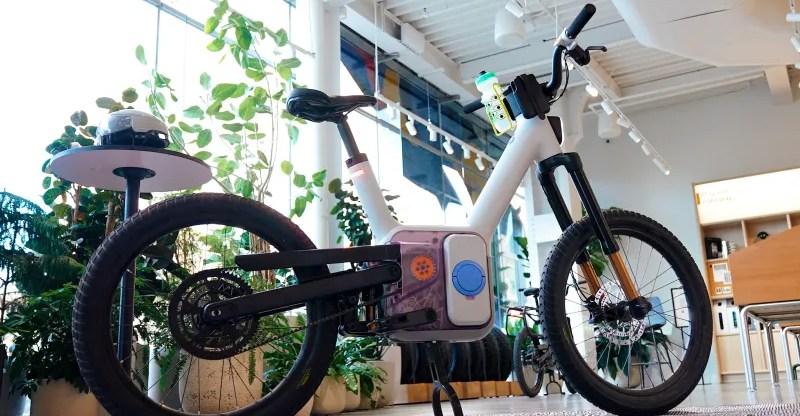
Rivian spinoff Also pauses e-bike deliveries over battery and software bugs
- 18 minutes ago
Meta is testing a new standalone messaging app called Direct
- 9 hours ago
Nvidia isn’t selling any more AI chips to China
- 19 minutes ago
Come to GTA VI for the crime spree. Stay for the manatee.
- 7 hours ago
The Supreme Court is about to decide whether to gut countless federal laws
- 7 hours ago

Nvidia’s Q3 earnings hit the mark, without mentioning the whole Jensen Huang thing
- 9 hours ago

Will Wright’s next game uses AI to map your memories
- 19 minutes ago

The world’s most powerful frenemies talk nuclear weapons
- 7 hours ago
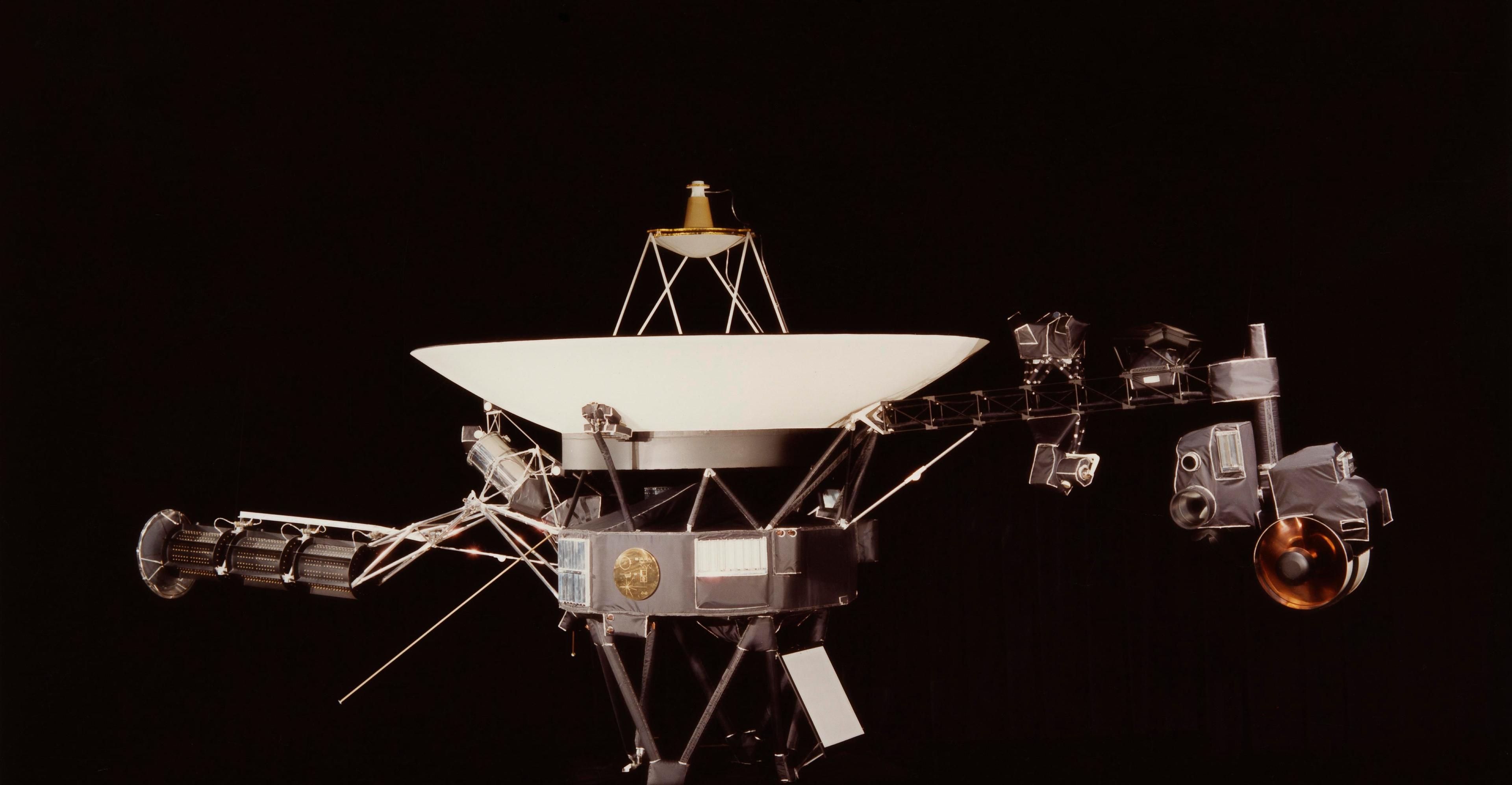
NASA’s Voyager 1 probe is now one light-day away
- 9 hours ago
You May Like
Trending