As Saudi tensions with Houthis escalate, mediator Pakistan faces pressure to choose a side
Pakistani officials worry the Houthi threat is more likely to draw Islamabad into a war than Iranian missile strikes on Saudi energy infrastructure were earlier this year


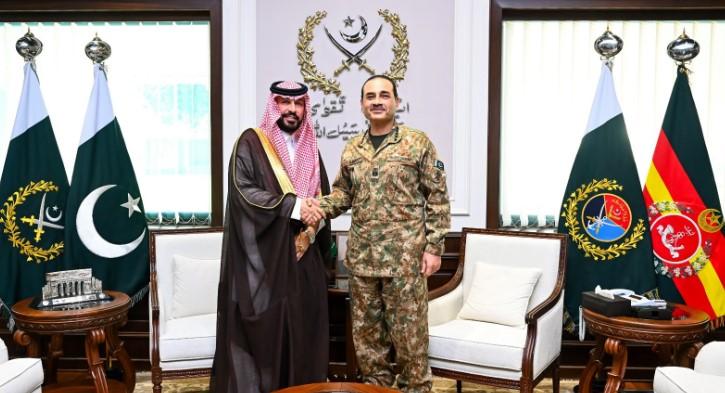
ISLAMABAD/DUBAI (REUTERS) -- For much of the past year, Pakistan has played a dual role as Riyadh’s defence partner and Washington’s backchannel to Tehran but this week’s fighting between Yemen’s Houthi movement and Saudi forces is increasingly testing how long Islamabad can hold both positions at once.
The fighting represents the first major test of the mutual defence alliance that was signed between Pakistan, Saudi Arabia and Turkiye last month, adding to a pre-existing pact between Islamabad and Riyadh. Under the arrangement, an armed attack on any one of the three countries is to be regarded as an attack on all.
Pakistani officials worry the Houthi threat is more likely to draw Islamabad into a war than Iranian missile strikes on Saudi energy infrastructure were earlier this year. Pakistani soldiers are deployed near the Saudi border with Yemen, two Pakistani officials told Reuters in July, increasing their direct exposure.
Defence deals with Gulf nations have been a key part of Pakistan’s plans to boost its fledgling economy after years of crisis, and have often been accompanied by parallel or subsequent talks about Gulf investments.
However, Pakistan also relies on oil and gas shipments through the Strait of Hormuz and the Red Sea — routes that Iran and the Houthis have shown they can disrupt — giving Islamabad reason to avoid alienating Tehran even as it deepens ties with the Gulf.
Warning to Iran
In the past, tensions between Iran and Pakistan have at times escalated into deadly clashes. Two years ago, Iranian missile and drone strikes on hideouts in Pakistan’s Balochistan province, along their shared border, prompted retaliatory attacks from Islamabad — tensions that briefly raised the spectre of a new conflict but soon calmed.
This time, Pakistan is seeking to prevent an escalation before it’s too late.
This week, it delivered a Saudi warning urging Iran to rein in its Yemeni Houthi allies, Saudi, Pakistani and Iranian sources told Reuters on Wednesday. Pakistan army chief Field Marshal Asim Munir also held a call with Iranian Foreign Minister Abbas Araqchi on Thursday evening to discuss “ways to restore diplomatic efforts to de-escalate on all fronts”, a Pakistani source said.
“Pakistan is trying to keep a low profile in the Saudi-Houthi conflict because Pakistan’s own stakes are high,” a second Pakistani government official told Reuters. “It does not want to spoil relations with Iran.”
In a briefing on Thursday, Pakistani foreign ministry spokesman Sajjad Haider Khan said no military response to the Houthi attacks was currently under discussion.
“Iran’s leadership has consistently appreciated Pakistan’s mediation efforts,” Khan told Reuters in response to a request for comment. “Pakistan has consistently opposed escalation and advocated restraint, dialogue and diplomacy.”

World Iodine Deficiency Day is being observed today
- 11 hours ago

At least 10 killed in Rajanpur road mishap
- 11 hours ago

Sony’s WH-1000XM6 headphones are $130 off today only
- 21 hours ago
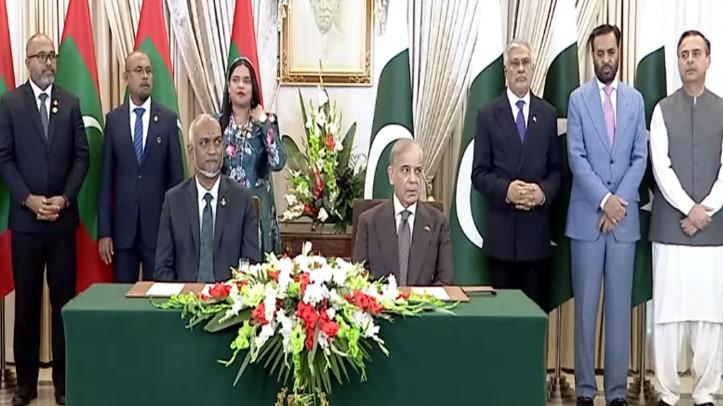
Pakistan, Maldives agree to enhance bilateral trade volume from $13mn to $200mn in next two years
- 11 hours ago
Star QB Jalen Hurts out for season after blood clots discovered in lungs...
- 20 hours ago
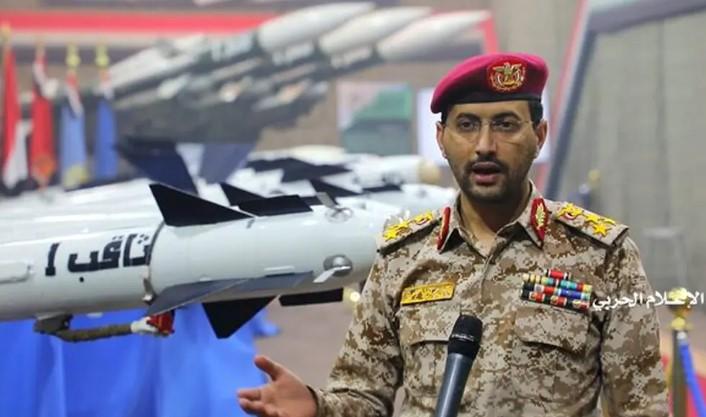
Yemen's Houthis deny launching drones towards Saudi Arabia's Medina
- 7 hours ago
Corruption is finally breaking through to voters this time
- 19 hours ago

Google is making inline links more prominent in AI responses
- 21 hours ago

Apple’s HomeView has an app problem
- 21 hours ago
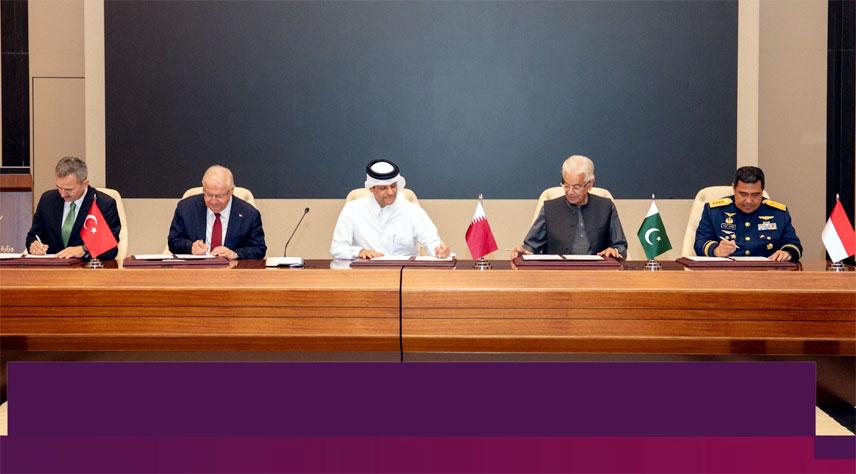
Pakistan, Qatar, Indonesia, Turkiye Sign 'Badr' MoU
- 2 hours ago

Meta and Apple team up to make Muse AI models run better on Macs
- 12 hours ago

Benn Jordan on Flock, privacy, and the new surveillance backlash
- 12 hours ago