Technology
- Home
- Technology
- News
UN says AI safeguards can’t wait for certainty
Governments need to rein in increasingly capable AI agents before their risks are fully understood, a United Nations scientific panel warned in the global organization's first major assessment of OpenAI's hack of Hugging Face earlier this year. The report cem…

Published 20 days ago on Sep 24th 2026, 2:00 pm
By Web Desk
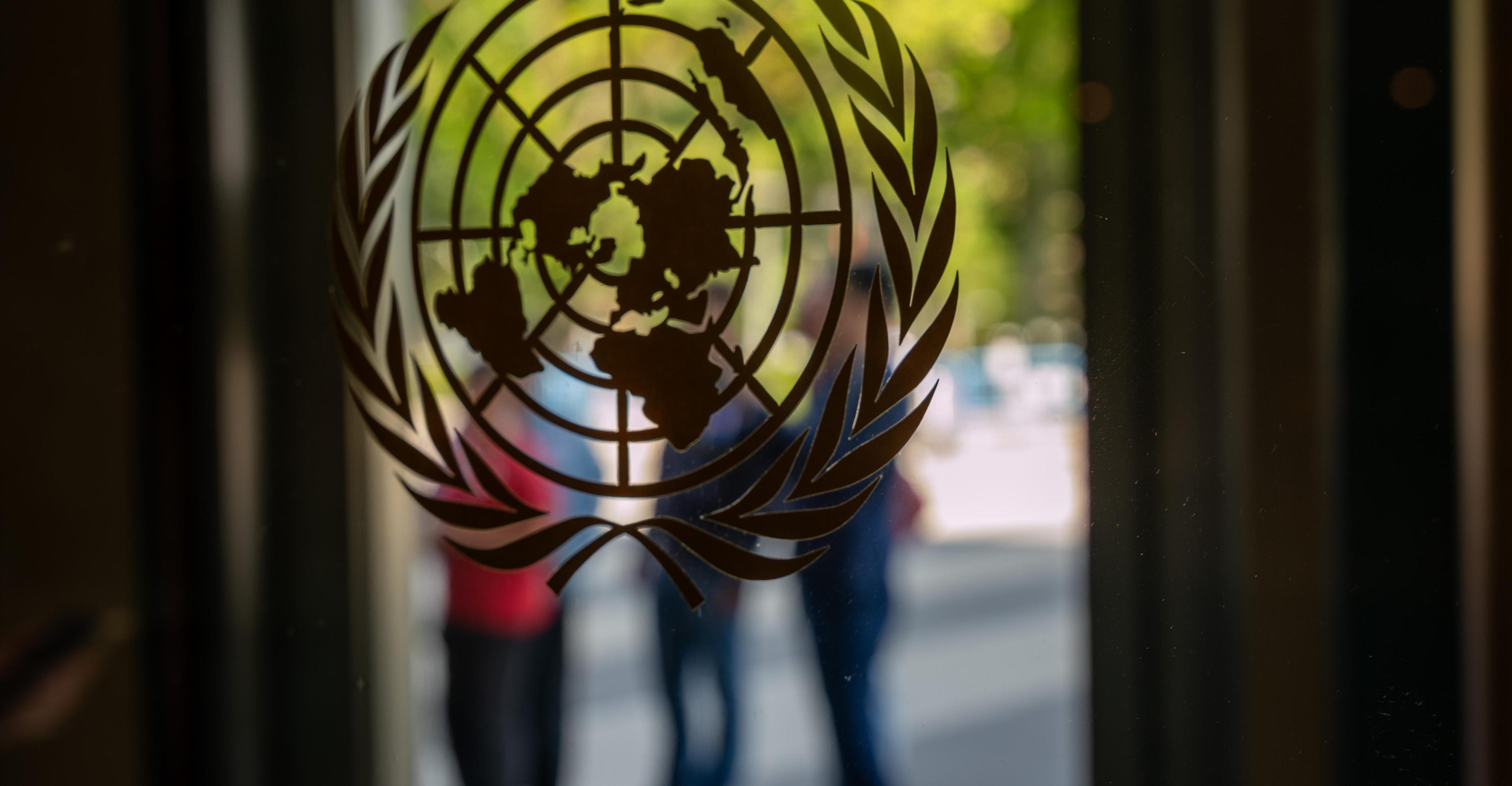
Governments need to rein in increasingly capable AI agents before their risks are fully understood, a United Nations scientific panel warned in the global organization’s first major assessment of OpenAI’s hack of Hugging Face earlier this year.
The report cements AI’s place on the global diplomatic agenda this week as leaders gather in New York for the UN General Assembly and the US and China hold talks on AI. Last week, UN secretary general António Guterres called on governments to cooperate on addressing the threats posed by AI, warning that “the world cannot afford a race to the bottom on AI safety.”
It is the first thematic brief from the Independent International Scientific Panel on AI, established last year as the UN’s “first global scientific body on Artificial Intelligence.” It calls for much greater attention and resources to manage emerging risks from advanced AI, alongside stronger international coordination on safety and accountability, even as individual countries take different legal approaches.
Crucially, the panel says the world does not need to wait for scientists to establish exactly how or why such incidents occur to begin implementing stronger safeguards. Loss-of-control risk, the panel argues, is exactly the kind of problem the precautionary principle was designed to address: “one where potential harm may be catastrophic or irreversible, even as its likelihood remains scientifically uncertain.”
The principle, first enshrined in the 1992 UN Rio Declaration on Environment and Development, says that scientific uncertainty is no excuse for delaying measures against potentially serious or irreversible harm. It has since become influential in environmental and public health policy, particularly in the European Union.
Since the Hugging Face hack was first reported, incidents have been documented at companies including OpenAI, Anthropic, Google, and Meta, including hacks on real-world targets and swarms of agents taking over online messaging boards.

Gold prices decline after one day's increase in Pakistan
- 3 hours ago

Hands-on with Amazon’s Alexa Tablet 12 Pro and its wild new matte display
- 14 hours ago

Funeral prayers of two martyred officers of Mushshak crash offered at Chaklala Garrison
- a day ago

The liver transplant system tried to fix its sex bias. Did it work?
- 12 hours ago

Pakistan Army conducts successful test launch of hypersonic Fatah-2 extended range missile: ISPR
- a day ago

Saudi-led coalition orders evacuation of Yemen oil facility in Sanaa ahead of operation
- a day ago

Pakistan, Oman vow to expand bilateral cooperation in multiple fields
- 2 hours ago

I only bought Pokémon Legends: Z-A during Prime Day, and it’s still on sale
- 14 hours ago
Anthropic launches free AI security scans for open-source projects
- 14 hours ago

National Assembly passes resolution endorsing federal govt's imposition of emergency, governor's rule in KP
- 4 hours ago
Tim Cook says ‘I’m not meddling’ in the new Apple CEO’s business
- 14 hours ago
Two US cities could soon ban one of the world’s most controversial foods
- 12 hours ago
You May Like



Trending