NATO Secretary-General Jens Stoltenberg warned Russia on Monday that the western military alliance was standing by Ukraine amid a large and unusual concentration of Russian troops on Ukraine's borders.

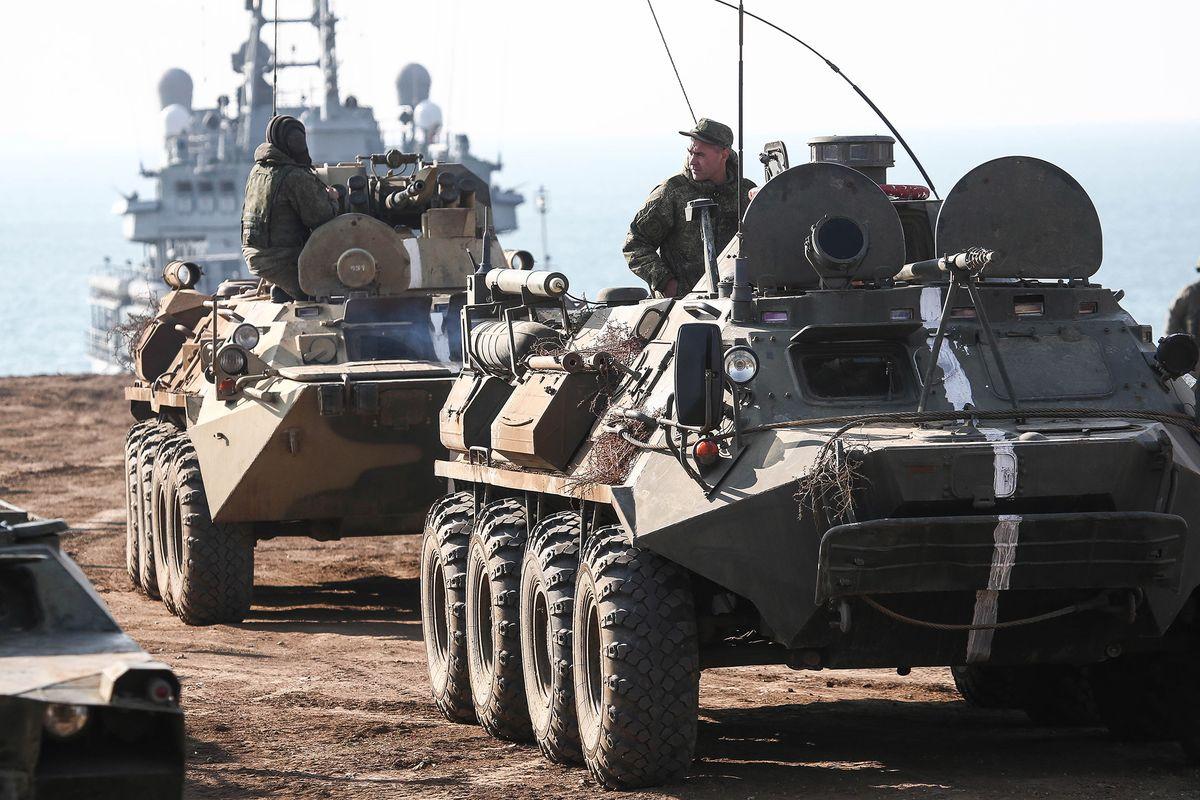
Stressing that the important thing now was to prevent situations from spiralling out of control, Stoltenberg urged Russia to be transparent about military activities, to reduce tensions and prevent an escalation.
"We have to be clear-eyed, we need to be realistic about the challenges we face. And what we see is a significant, large Russian military build-up," Stoltenberg told a news conference with Ukraine's Foreign Minister Dmytro Kuleba in Brussels.
He said he did not want to speculate about Russia's intentions but added: "We see an unusual concentration of troops, and we know that Russia has been willing to use these types of military capabilities before to conduct aggressive actions against Ukraine."
The Russian troop movements have over the past days spurred fears of a possible attack. Moscow has dismissed such suggestions as inflammatory and complained about increasing activity in the region by the NATO transatlantic alliance.
Russia annexed Crimea from Ukraine in 2014 and says the waters around it belong to Moscow now, despite most countries continuing to recognise the peninsula as Ukrainian.
Russian-backed separatists took control of Ukraine's eastern Donbass region that same year and soldiers on both sides continue to be regularly killed in the conflict there.
The troop border build-up - which Ukraine last week estimated at 100,000 - was dangerous, said Stoltenberg, because it reduced the amount of warning time, should Russia decide to "conduct a military aggressive action against Ukraine."
"This is partly forces close to the border between Russia and Ukraine, but it is also partly troops and capabilities which are inside Ukraine, meaning they are in Crimea, which is illegally annexed, and also we see the militants, the separatists in Donbass, which is also part of Ukraine, supported and helped by Russia," he said.
A NATO source, asked to describe how Russia is going about deploying its military equipment towards Ukraine, said: "large equipment such as tanks, self-propelled artillery and infantry fighting vehicles is moved at night to avoid tell-tale pictures showing up on social media as they did during the Russian military build-up in spring."
"It can go either way," Lithuania's foreign minister Gabrielius Landsbergis told reporters, also on Monday, on the margins of a meeting with his European Union counterparts.
The West cannot exclude a Russian attack on Ukraine while international attention is focused on the Belarus migration crisis, or that Russia establishes a permanent military presence in Belarus, he said.
"I would not exclude that as a possibility," he said.
SOURCE: REUTERS

I reviewed Valve’s Steam Frame, ask me anything
- 4 hours ago

The Dell XPS 13 is the first real competitor to the MacBook Neo
- 4 hours ago
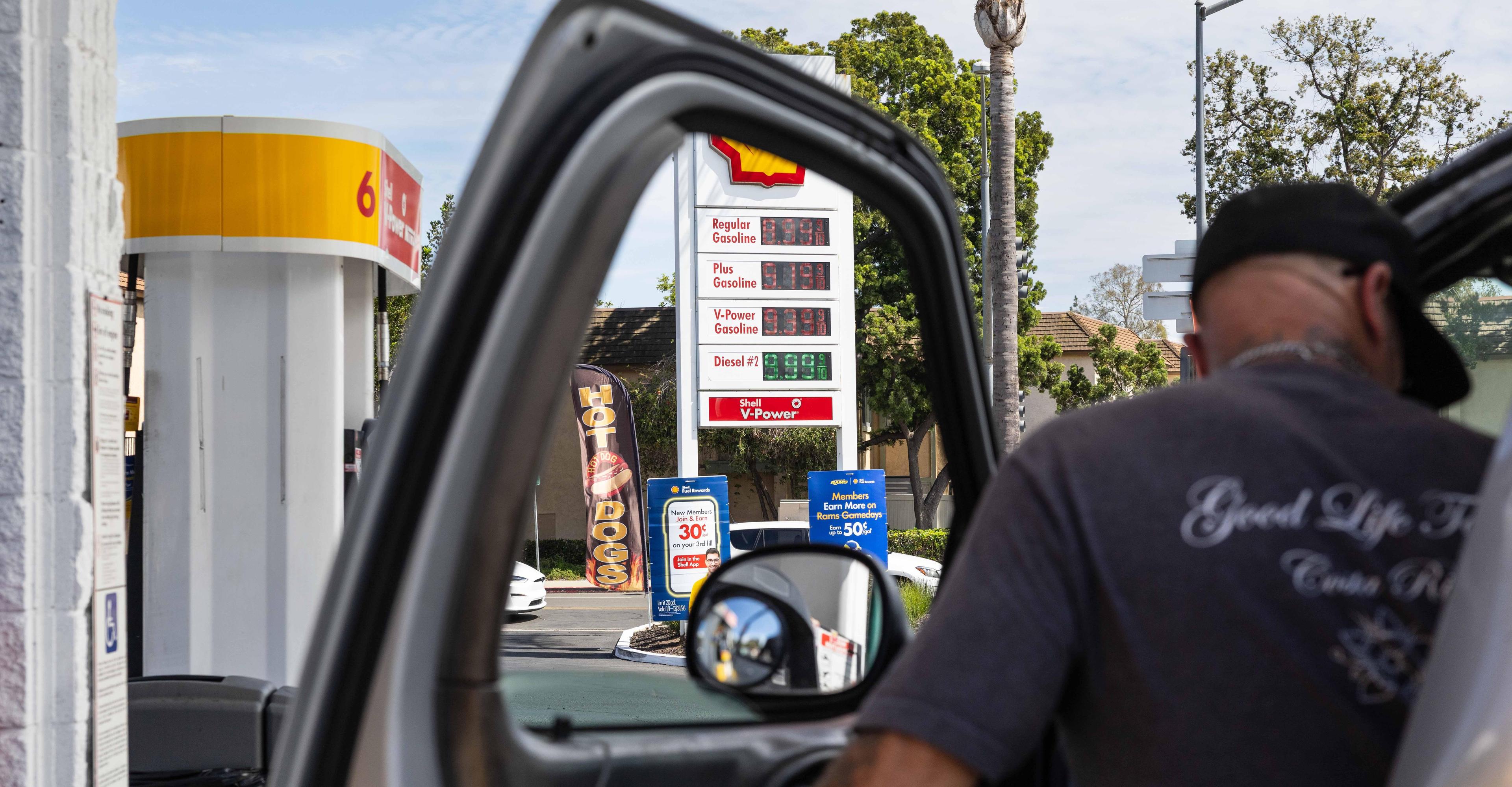
The overlooked factor making everything more expensive
- 2 hours ago

Walmart takes a bite off the cost of Metroid Ravenous physical preorders
- 19 hours ago

PM expresses satisfaction over SBP reserves reaching historic high of $21.4bn
- 13 hours ago
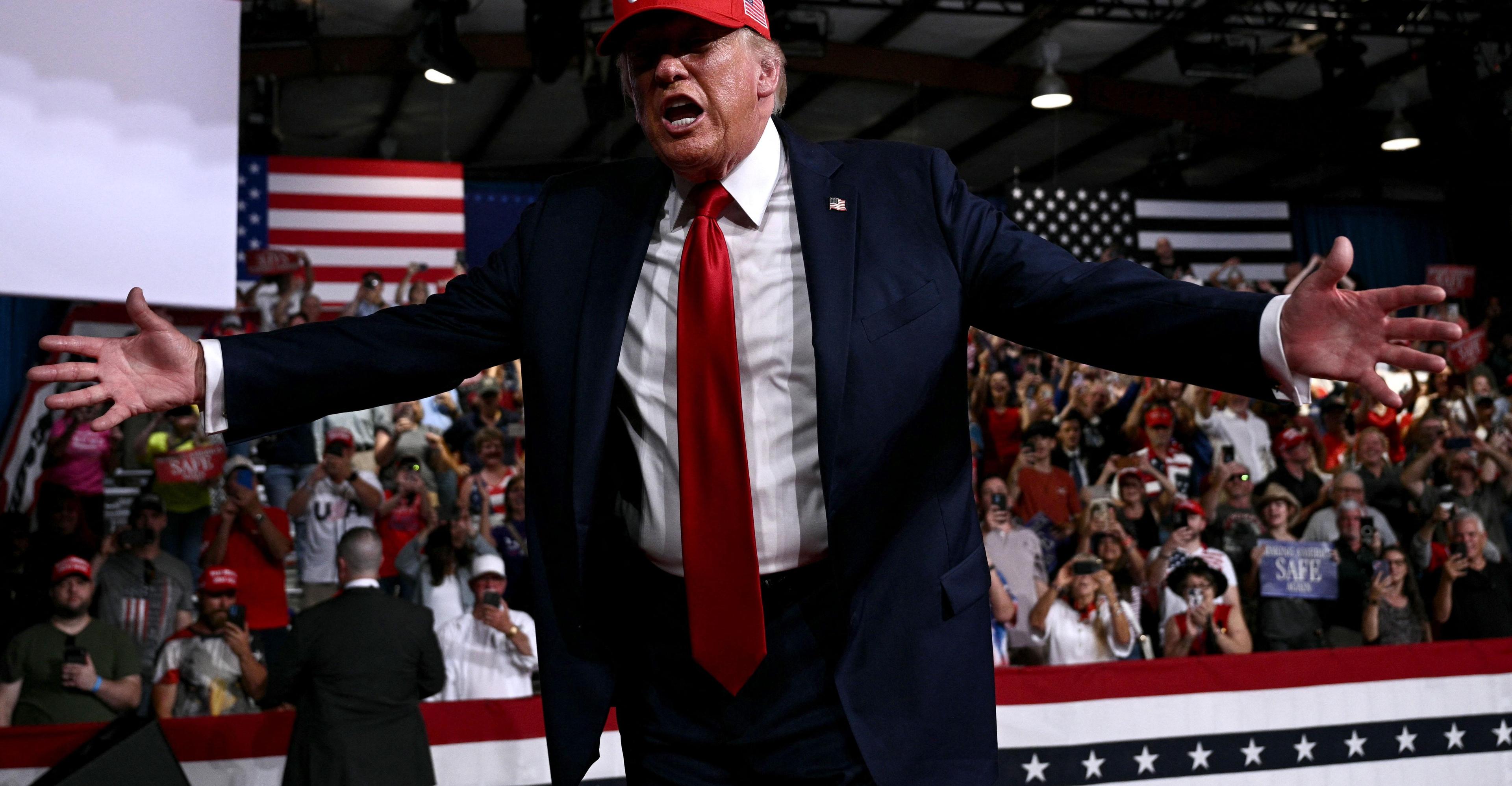
Trump puts himself on the ballot
- 2 hours ago
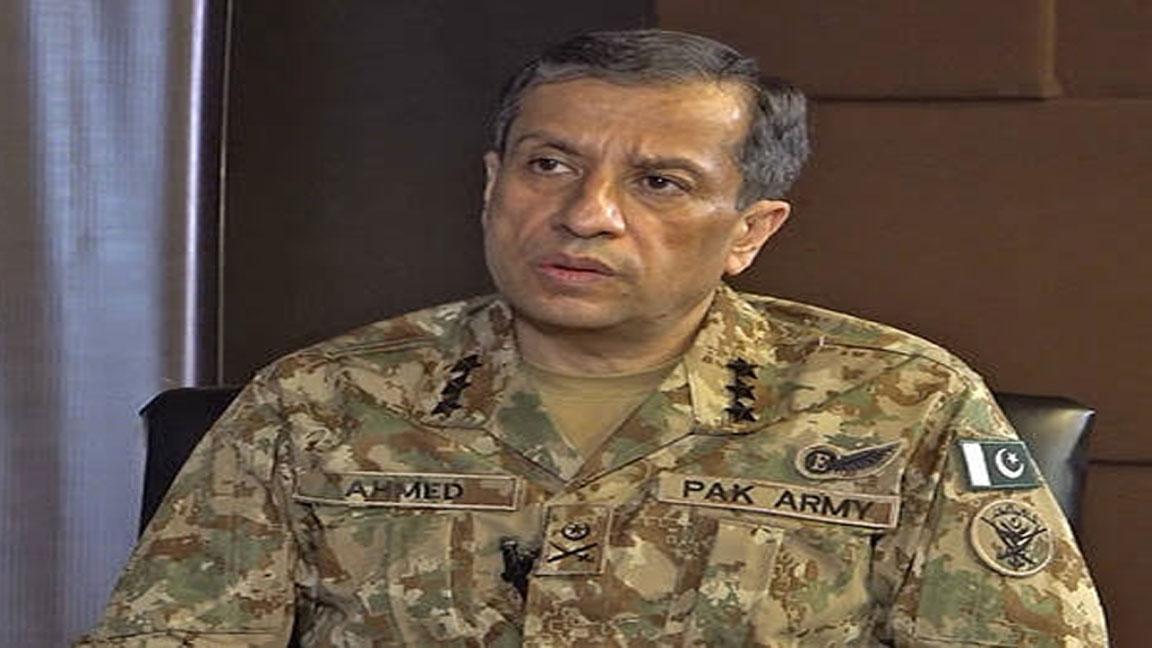
Pakistan will go to any extent in defending sovereignty of Saudi Arabia: DG ISPR
- 17 hours ago
Ronaldo included in Jesus' first Portugal squad
- 14 hours ago

How bad healthcare can derail a woman’s entire life
- 2 hours ago

The 2.5-hour AI-generated Odyssey movie is 2.5 hours too long
- 4 hours ago
No one will be allowed to march on Islamabad: Mohsin Naqvi
- 12 hours ago
Blast at Kohat Police Lines kills 16, including five policemen
- 18 hours ago