The World Health Organisation (WHO) on Friday classified the B.1.1.529 variant detected in South Africa as a SARS-CoV-2 "variant of concern," saying it may spread more quickly than other forms.

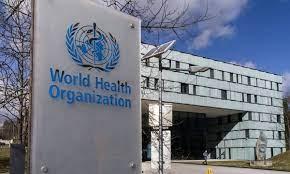
Preliminary evidence suggested there is an increased risk of reinfection and there had been a "detrimental change in COVID-19 epidemiology," it said in a statement after a closed meeting of independent experts who reviewed the data.
Infections in South Africa had risen steeply in recent weeks, coinciding with detection of the variant now designated as omicron, WHO said.
"This variant has a large number of mutations, some of which are concerning. Preliminary evidence suggests an increased risk of reinfection with this variant, as compared to other (variants of concern), it said.
Omicron is the fifth variant to carry such a designation.
"This variant has been detected at faster rates than previous surges in infection, suggesting that this variant may have a growth advantage," the WHO said.
Current PCR tests continue to successfully detect the variant, it said.
Earlier, the WHO cautioned countries against hastily imposing travel restrictions linked to the variant of COVID-19, saying they should take a "risk-based and scientific approach".
Global authorities reacted with alarm to the new variant detected in South Africa, with the EU and Britain among those tightening border controls as scientists sought to find out if the mutation was vaccine-resistant. L1N2SH089
"At this point, implementing travel measures is being cautioned against," WHO spokesman Christian Lindmeier told a U.N. briefing in Geneva. "The WHO recommends that countries continue to apply a risk-based and scientific approach when implementing travel measures."
It would take several weeks to determine the variant's transmissibility and the effectiveness of vaccines and therapeutics against it, he said, noting that 100 sequences of the variant have been reported so far.
People should continue to wear masks whenever possible, avoid large gatherings, ventilate rooms and maintain hand hygiene, Lindmeier added.
Mike Ryan, WHO's emergency director, praised South African public health institutions for picking up the signal of the new variant.
But he warned that while some countries had systems in place to do this, the situation elsewhere was often unclear.
"So it's really important that there are no knee-jerk responses here. Especially with relation to South Africa," he said. "Because we've seen in the past, the minute that there is any mention of any kind of variation, then everyone is closing borders and restricting travel."
SOURCE: REUTERS

National Grid Company of Pakistan unveils new brand identity as “National Grid Pakistan”
- 11 hours ago
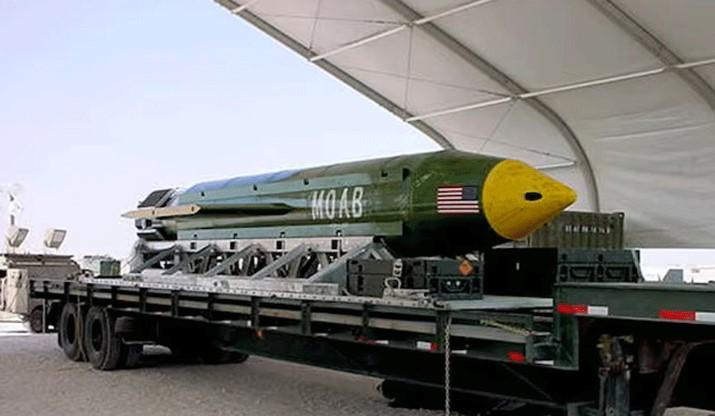
US military weighs use of ‘mother of all bombs’ in potential future strikes on Iran, CNN says
- 13 hours ago

The rise and fall of a MAGA princess
- a day ago

How Apple can win the smart home
- 13 minutes ago

Ukraine claims Starlink is suddenly disrupting service for its military
- 13 minutes ago
Five terrorists killed in Washuk IBO, Balochistan: ISPR
- 15 hours ago
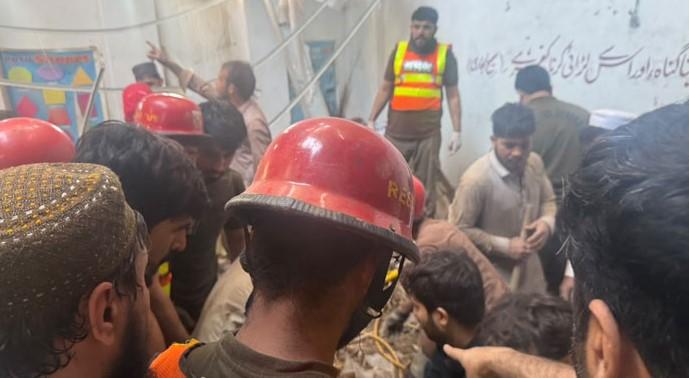
At least 30 children, two teachers killed in Peshawar school roof collapse
- 15 hours ago

My AI doppelganger tells me what to eat
- 13 minutes ago
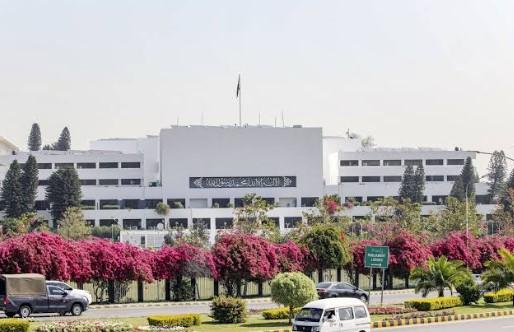
Joint Session of Parliament ratifies emergency, governor’s rule in KP
- 13 hours ago
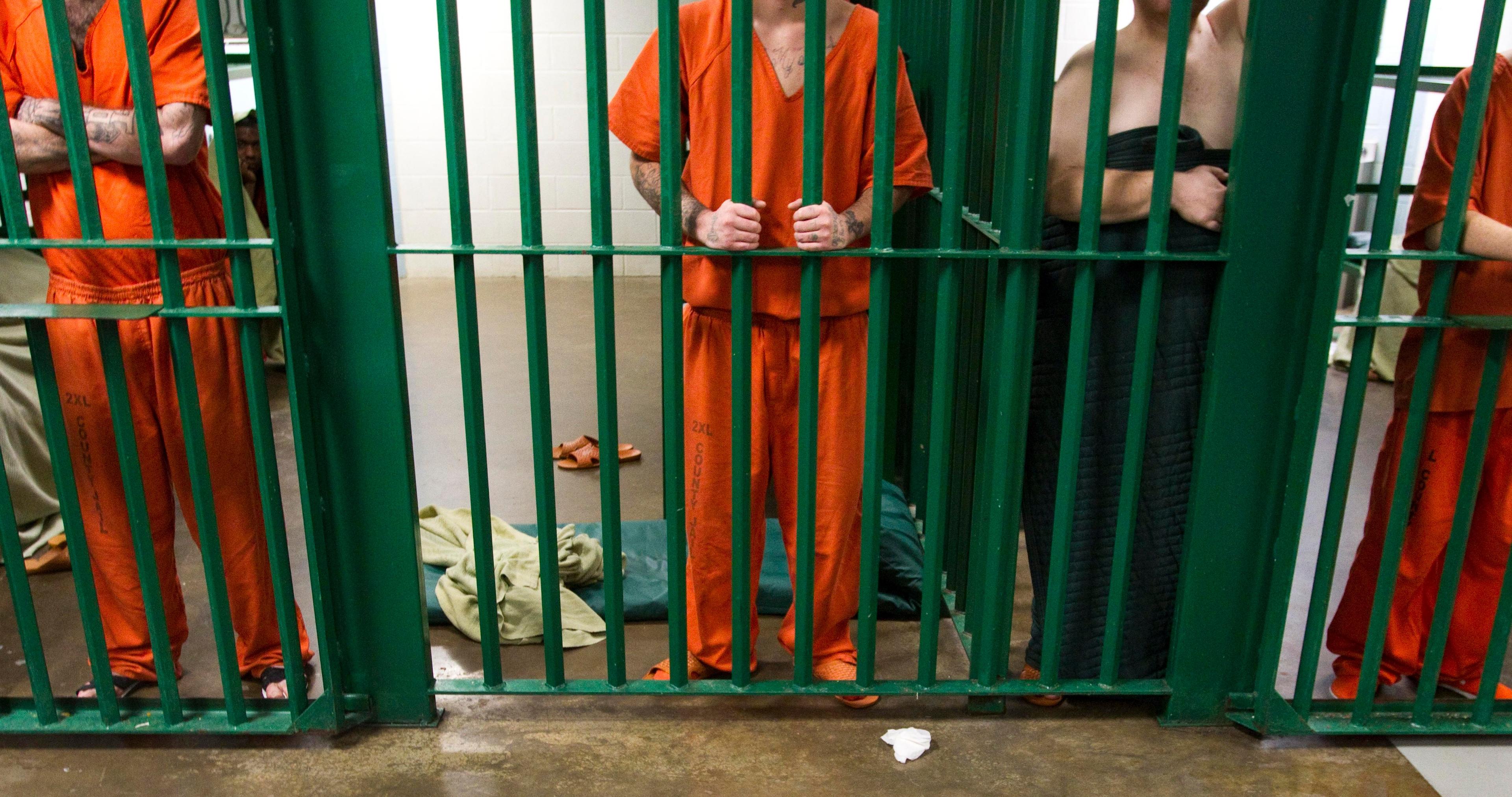
The Supreme Court may be about to make America’s prisons much crueler
- a day ago
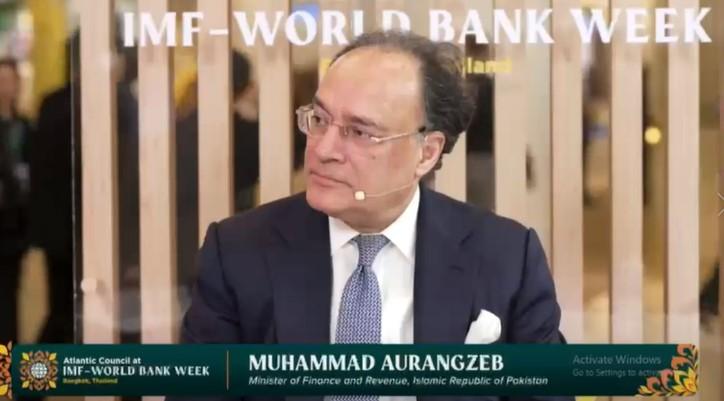
Pakistan pursuing investment, export-led growth: FinMin Aurangzeb
- 9 hours ago
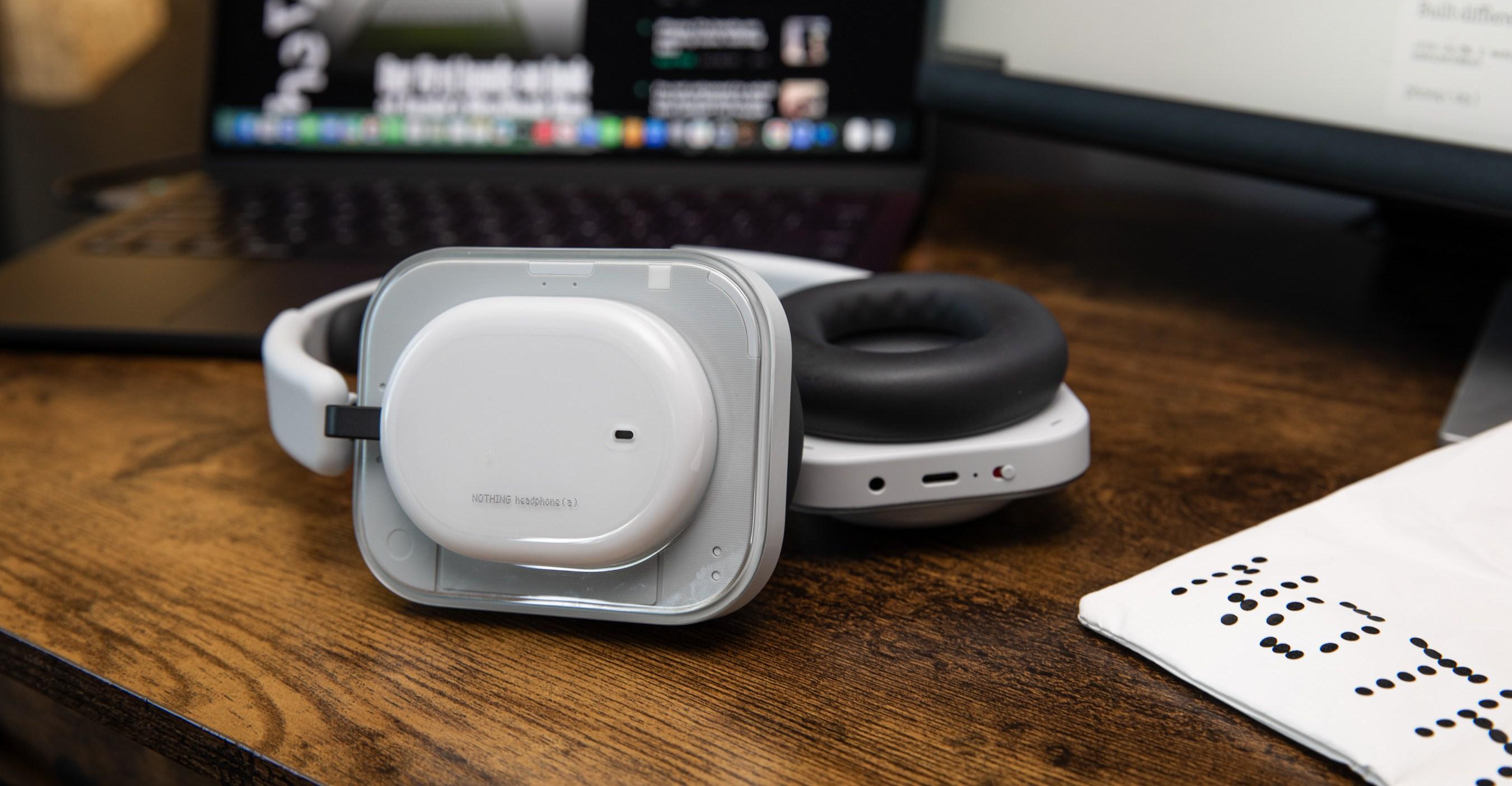
The Nothing Headphone A are half off for the first time
- 13 minutes ago