NGOs, volunteers raise $4.1 million in crypto for Ukrainian military since Russia invasion
For years, volunteer groups have played a critical role in the Russia-Ukraine conflict

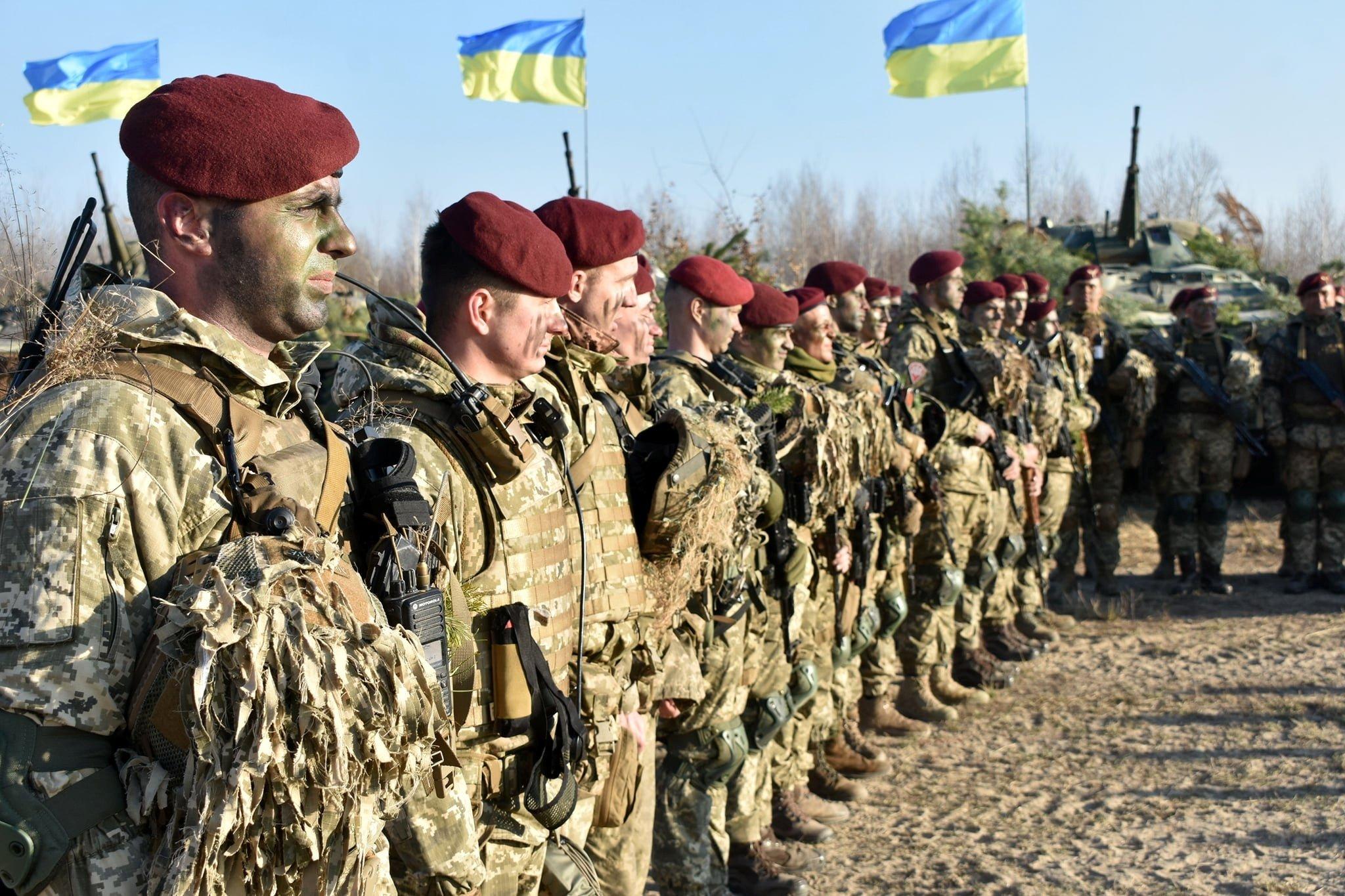
Donations being funneled to the Ukrainian army in cryptocurrencies like bitcoin are in the millions of dollars, according to new data from blockchain analytics firm Elliptic.
Research shows that $4.1 million in crypto has been raised by nongovernmental organizations and volunteer groups in Ukraine since the invasion began, including a single $3 million donation early Friday.
On Thursday alone, one NGO received over $675,000 in bitcoin, and by Friday morning, that number had ballooned to more than $3.4 million thanks to that one-off $3 million donation.
For years, volunteer groups have played a critical role in the Russia-Ukraine conflict. These organizations have augmented the work of Ukraine’s military by offering additional resources and manpower. When Ukraine’s pro-Russian president Viktor Yanukovych was ousted in 2014, for example, legions of organized volunteers stepped up to support protesters.
Typically, these organizations receive funds from private donors via bank wires or payment apps, but cryptocurrencies such as bitcoin have emerged as an important alternative funding method, since they allow for quick, cross-border donations which bypass financial institutions that might block payments to Ukraine.
But the Ukrainian Ministry of Defense has made it clear that it won’t accept crypto donations directly.
A statement on the government’s website said that “national legislation does not allow the Ministry of Defense of Ukraine to use other payment systems (‘Webmoney,’ ‘Bitcoin,’ ‘PayPal,’ etc.).”
That means that while the military welcomes donations for logistics and medial support, those contributions have to go through fiat channels.
What the crypto is being used for
Activists have deployed the crypto for a variety of purposes, including equipping the Ukrainian army with military equipment, medical supplies and drones, as well as funding the development of a facial recognition app that identifies if someone is a Russian mercenary or spy.
“Cryptocurrency is particularly suited to international fundraising because it doesn’t respect national boundaries and it’s censorship-resistant — there is no central authority that can block transactions, for example in response to sanctions,” said Tom Robinson, Elliptic’s chief scientist.
“Cryptocurrency is increasingly being used to crowdfund war, with the tacit approval of governments,” said Robinson of Elliptic, which sells blockchain analytics tools to banks and some of the world’s largest cryptocurrency platforms, including Binance and Circle.
One such group, Come Back Alive, which began accepting cryptocurrency in 2018, provides the military with equipment, training services and medical supplies. It also funded the development of a drone-based reconnaissance and targeting system for Ukrainian artillery units.
Other groups supporting the efforts of the Ukrainian resistance have asked for donations in crypto assets, such as nonfungible tokens, or NFTs.
As Ukraine’s central bank cracks down on digital money transfers in connection with a nationwide declaration of martial law — and Moscow unleashes airstrikes and ground troops — some Ukrainians are also turning to cryptocurrencies.
Kuna, a popular Ukrainian crypto exchange, shows that domestic buyers are paying a premium for Tether’s USDT stablecoin, which is pegged to the price of the U.S. dollar.
“We don’t trust the government. We don’t trust the banking system. We don’t trust the local currency,” said Michael Chobanian, founder of Kuna, in an interview with Coindesk. “The majority of people have nothing else to choose apart from crypto.”
SOURCE: CNBC

Gold prices plummet in Pakistan, global markets
- a day ago
How did the Cornell rape case go so wrong?
- a day ago

More kids are using AI for companionship — and it’s making them lonely
- 2 days ago
Israeli strike kills five, including four women, in Gaza, health officials say
- 2 days ago
ROMO OUT AT CBS AFTER DUI...
- a day ago

Disney World solved a problem that could save America billions every year
- 2 days ago

OpenAI’s new agent is a shot at Meta — but can it compete with free?
- 2 days ago

Civilian deaths: Pakistan lodges strong protest with India over border firing incident
- 2 days ago

The secret to using AI without getting dumber
- 2 days ago

SteelSeries’ new mice are super light, with ultra-wideband and swappable batteries
- 2 days ago

India beat Pakistan in final to complete cricket double
- 2 days ago

Meta’s Muse AI sent a YouTuber’s address to a stranger
- 2 days ago