Federal minister Ahsan Iqbal urges the international community to generate the political will to respond to the current crisis facing the developing world

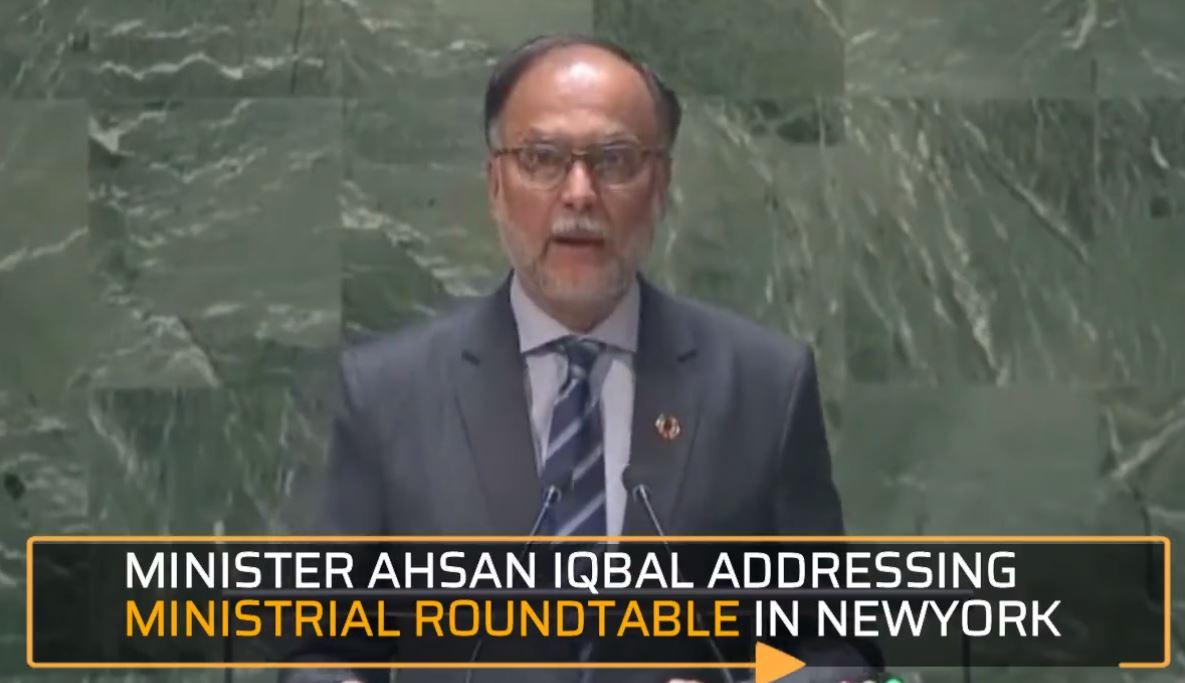
New York: Pakistan proposed on Thursday, a debt relief of $1 trillion debt relief for the debt-ridden developing countries besides creation of a Global Debt Authority and an Independent Credit Rating Agency for the purpose.
Speaking at the Ministerial Roundtable here at the United Nations Headquarters, Federal Minister for Planning, Development, and Special Initiatives Ahsan Iqbal also called for a “Marshal Plan” to mobilize unfulfilled Official Development Assistance (ODA) commitments.
He said an estimated $1 trillion in annual investment was needed - 70% being deployed in developing countries - in order to ensure a transition to sustainable infrastructure globally.
Delivering his speech at the Ministerial Roundtable titled “Accelerating achievement of the SDGs by 2030: addressing on-going crises and overcoming challenges”, the minister said the world was facing a triple crisis: Covid-19, Climate Change, and Conflict.
Covid-19 has reversed a decade of progress towards the Sustainable Development Goals (SDGs). After many decades of steady decline, extreme poverty is on the rise. It is estimated that 255 million full time jobs have been lost. Global economic contraction has reached 5% and for many developing countries 15 to 20%, he added.
The minister said the current war in Ukraine and the accompanying restrictions has been coup de grâce for the poor: prices have spiraled; food and related commodities, including fertilizers, are in short supply and unaffordable for the poorest people and the poorest countries.
The looming climate catastrophe has already increased the development cost for many developing countries, he said adding that this was happening in the backdrop of unsustainable debt burden, high borrowing cost, and hyperinflation. It is estimated that 60 per cent of the developing countries are already at high risk of, or in, debt distress.
He asked the international community to generate the political will to respond to the current crisis facing the developing world. “We must adopt and implement an emergency action plan to address the food, energy and security needs of the developing countries.”
He said this should provide access to food and energy supplies to all countries, especially the developing countries, on an equitable basis.
“We hope that the UN Secretary-General will succeed in his diplomatic efforts to secure access to food supplies from both Ukraine and the Russian Federation.”
He also called for moderating prices of food, energy and other essential goods for affected developing countries, including through an international fund setup for this purpose.
Immediate relief should be provided on both commercial and official debt payments by the most seriously affected developing countries in order to enable them to avoid a socio-economic crisis.
He pointed out that a parallel effort is needed to defeat the COVID-19 pandemic. Vaccine equity must be ensured; production must be expanded, and distribution accelerated to all countries, especially those in Africa and elsewhere who have been left behind.
“We also need mobilization of longer term finance to implement the SDGs and Climate goals.” Ahsan Iqbal demanded the fulfilment of the commitments made to provide $100 billion annually in climate finance.
He said at least half of the unutilized SDRs, amounting to $200 billion, should be provided to the developing countries as means of ensuring liquidity and fiscal space to respond to the multiple crises they are facing.
He proposed to utilize the UN system, the Multilateral Development Banks and other institutions; to help developing countries prepare a pipeline of viable infrastructure projects designed to promote achievement of the SDGs.
He said the developing countries must have a level playing field in the international trade. The global trading system needs to be aligned with the SDGs. This will require revision, in particular of the TRIPS and TRIMS agreement. New protectionism, whether in the form of environmental and social conditions, must be prevented.
The minister also proposed to capture the potential of the emerging digital economy, which he said required bridging the North-South digital divide, and preventing the creation of an East-West digital divide.
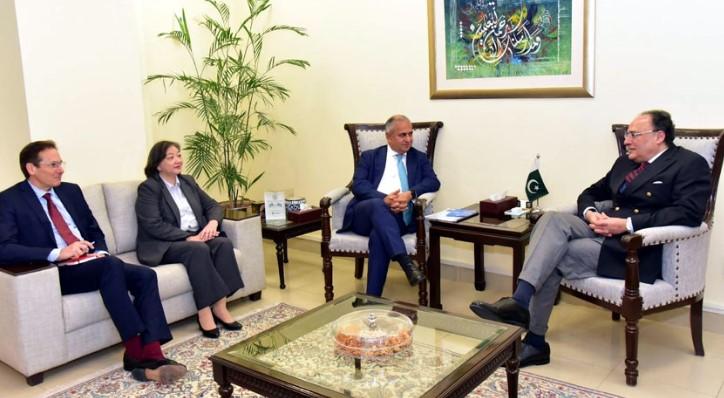
FinMin Aurangzeb, WB discuss Pakistan's economic reform agenda
- a day ago
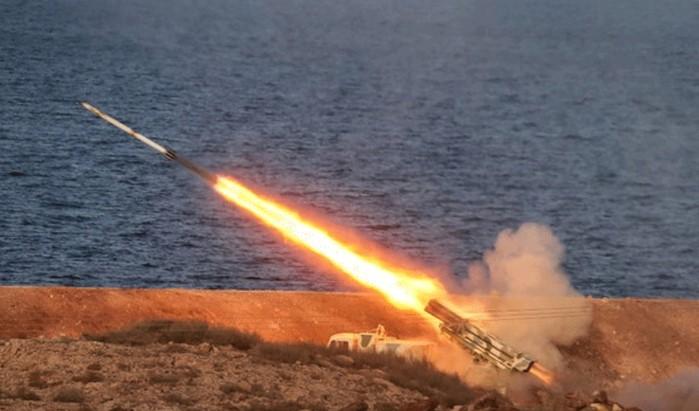
Saudi forces say intercepted two Houthi missiles targeting Yanbu, Taif
- 15 hours ago

How to ban gerrymandering when the Supreme Court is stacked against you
- a day ago
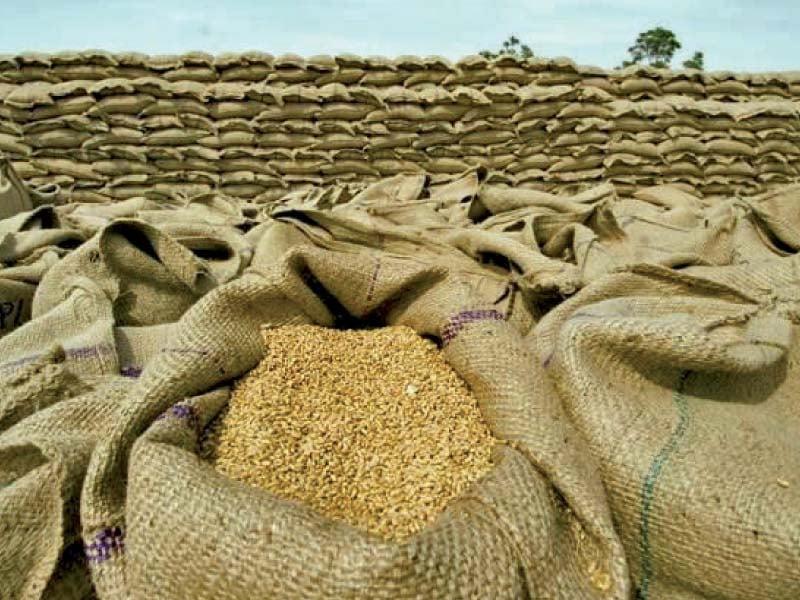
PM Shehbaz sets illustrative wheat price at Rs4,500 per 40kg for 2027
- a day ago
Colleges can do more to prevent sexual assault. Here’s where to start.
- a day ago

JustWatch now streams TV shows and movies, too
- a day ago

10 terrorists, including one female, killed in Gwadar: ISPR
- 2 days ago
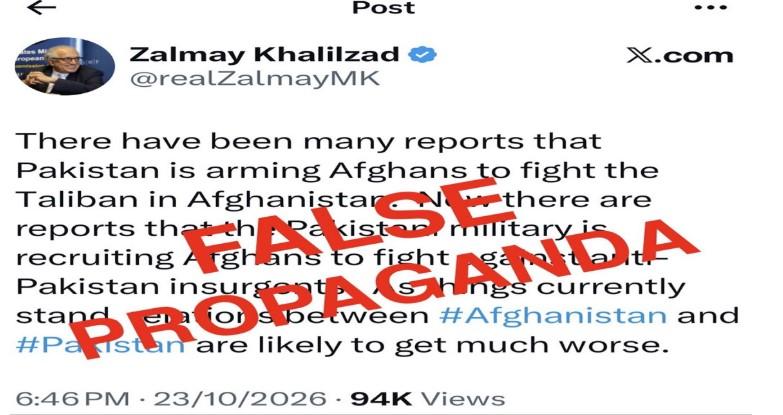
Pakistan rejects Khalilzad's allegations of arming Afghans
- 15 hours ago

Xbox Cloud Gaming’s pay-as-you-go option starts at $3.99 for 10 hours
- 17 hours ago

Agha back but no Rizwan for Pakistan following England debacle
- 9 hours ago

US military bans BYD vehicles from strategic air base in Japan
- 2 days ago
SpaceX will try catching Starship and its booster for first time, Musk says
- a day ago