The most significant contributors to the rising inflation rate came from motor fuels and food, the ONS said

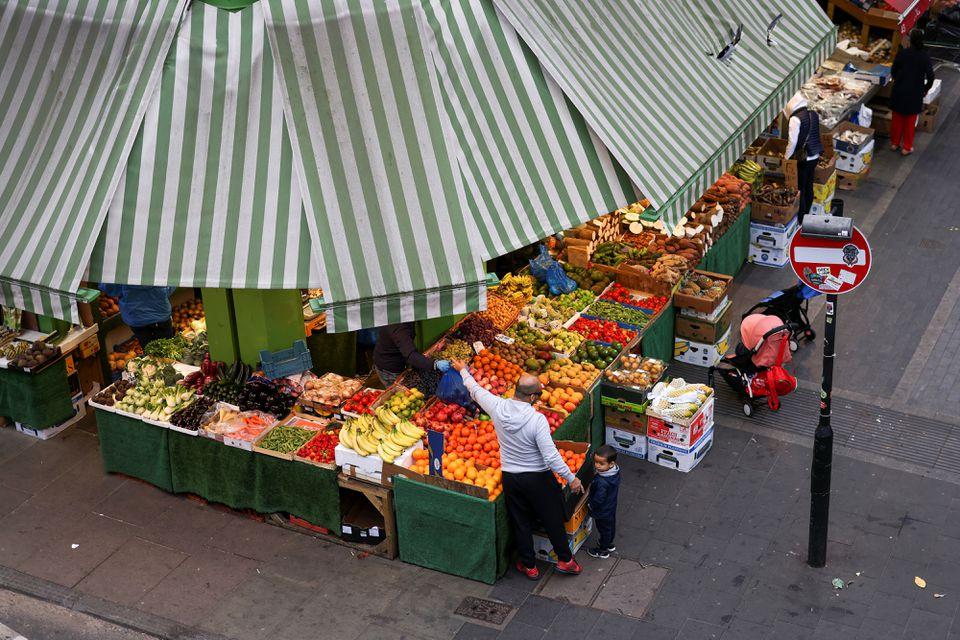
UK inflation hit yet another new 40-year high in June as food and energy prices continued to soar, escalating the country’s historic cost-of-living crisis.
The consumer price index rose 9.4% annually, according to estimates out Wednesday, slightly above a consensus forecast among economists polled by Reuters and up from 9.1% in May.
This represented a 0.8% monthly incline in consumer prices, exceeding the the previous month’s 0.7% rise but remaining short of the 2.5% monthly increase in April.
The U.K.’s Office for National Statistics said in Wednesday’s report that its indicative modelled consumer price inflation estimates “suggest that the CPI rate would last have been higher around 1982, where estimates range from nearly 11% in January down to approximately 6.5% in December.”
The most significant contributors to the rising inflation rate came from motor fuels and food, the ONS said, with the former soaring 42.3% on the year, the highest rate since before the start of the constructed historical series in 1989.
50 basis point hike?
The Bank of England has implemented five consecutive 25 basis point hikes to interest rates as it looks to rein in inflation, but Governor Andrew Bailey suggested in a speech at the Mansion House Financial and Professional Services Dinner on Tuesday that the Monetary Policy Committee could consider a 50 basis point hike at its August policy meeting.
This would constitute the U.K.’s biggest single increase in interest rates for nearly 30 years, and Bailey vowed that there would be “no ifs or buts” in the Bank’s commitment to return inflation to its 2% target. The governor has received public criticism from several of the Conservative Party hopefuls to replace Boris Johnson as prime minister.
“From the perspective of monetary policy, these times are the largest challenge to the monetary policy regime of inflation targeting that we have seen in the quarter century since the MPC was created in 1997,” Bailey said.
“That emphatically does not mean the regime has failed. Far from it. The regime was set up for times exactly like these. The regime, founded on central bank independence, is now more important than ever. The worth of any regime is tested in the difficult, not the nice, times.”
The Bank expects inflation to peak at around 11% later in the year, while new ONS figures Tuesday showed that real wages in the U.K. over the three months to May experienced their steepest decline since records began in 2001, as pay increases failed to draw close to the inflation rate.
“The intense cost of living squeeze is putting significant pressure on the UK’s consumer-led economy and means the risk of recession is high,” said Hussain Mehdi, macro and investment strategist at HSBC Asset Management.
“Nevertheless, the Bank of England is likely to remain in uber-hawkish mode as it attempts to counter the risk of a wage-price spiral developing with recent data suggesting a still hot labor market that is contributing to domestic inflationary pressures.”
SOURCE: CNBC
How did the Cornell rape case go so wrong?
- 2 days ago

Apple’s ‘HomePad’ will reportedly launch on October 13th
- 5 hours ago
UN Secretary-General Guterres to arrive in Pakistan tomorrow
- 18 hours ago
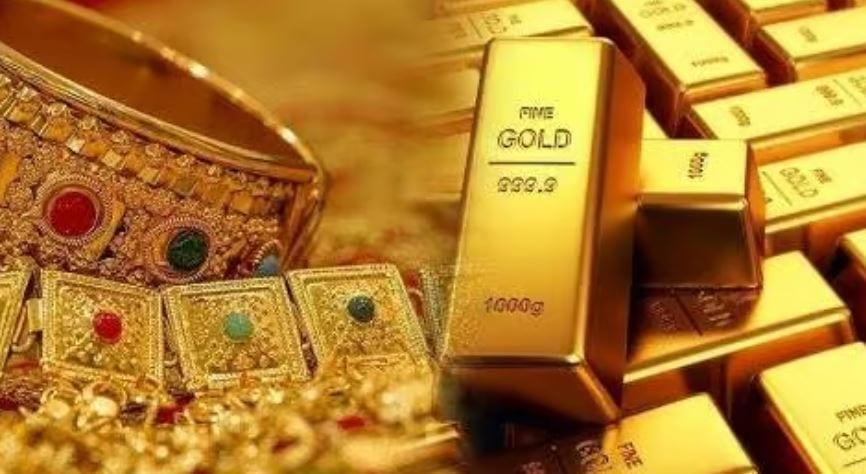
Gold prices plummet in Pakistan, global markets
- 3 days ago
OpenAI won’t go public until its models are safe
- 5 hours ago

Pakistan's delegation to attend Makkah defence committee meeting in Riyadh today
- 20 hours ago

The Sonos Ace Ultra are the headphones Sonos should have made the first time
- 5 hours ago
ROMO OUT AT CBS AFTER DUI...
- 2 days ago

What color is a tennis ball?
- 3 hours ago

The best early October Prime Day deals happening now
- 5 hours ago

Medvedev disqualified from China Open semi after hitting ball into crowd
- 14 hours ago

US withdraws all bomber aircraft from UK airbase used during Iran war
- 13 hours ago