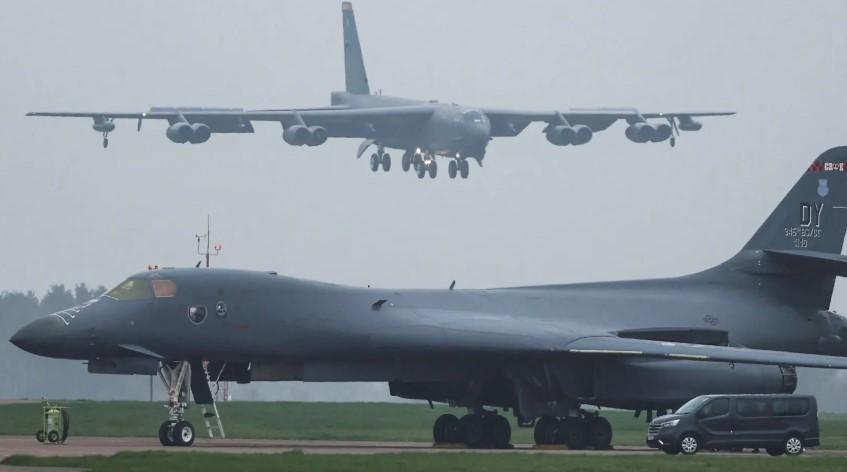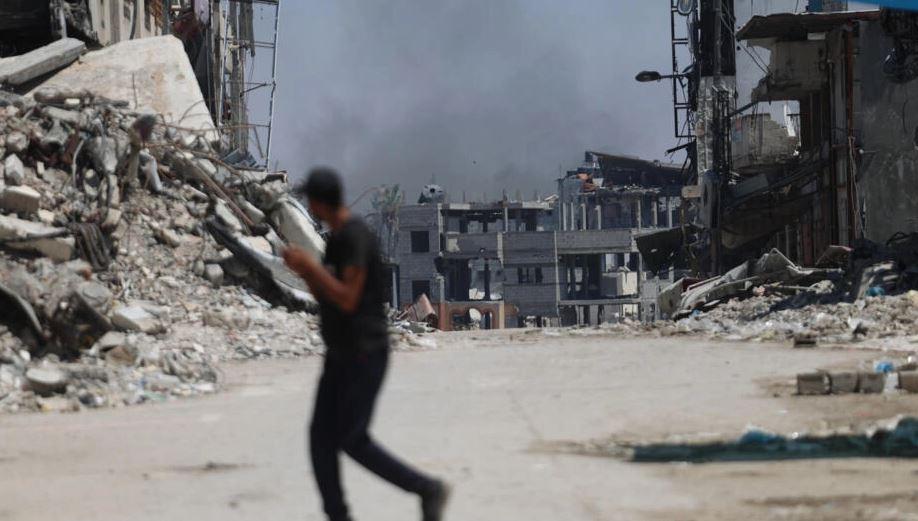
The annual joint military drills mark the resumption of large-scale training sessions after they were scaled back due to Covid-19 and a bout of failed diplomacy with Pyongyang.

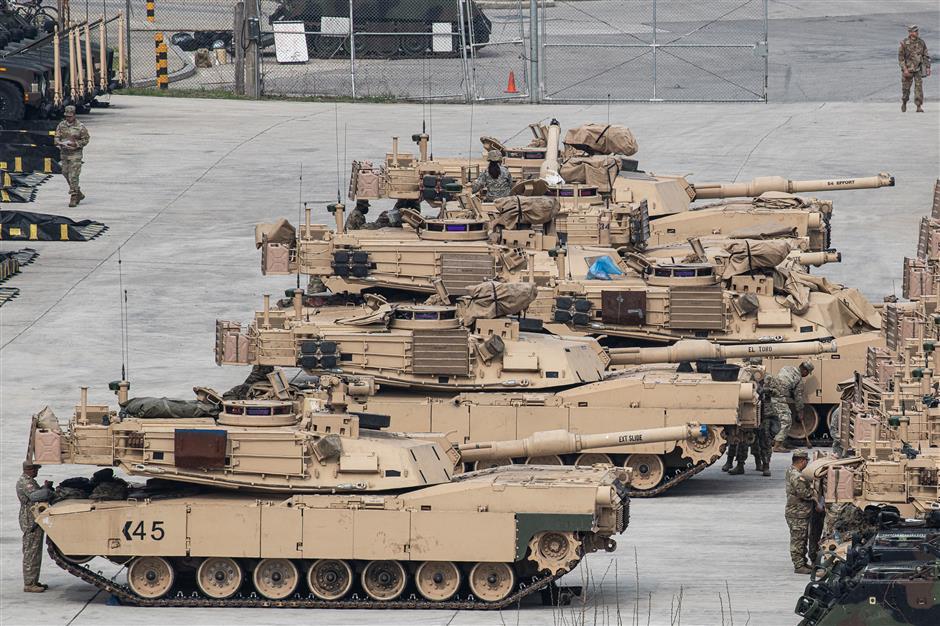
Seoul: South Korea and the United States kick off their annual joint military drills as the allies seek to tighten their readiness posture over North Korea's potential weapons tests.
The United States and South Korea have begun their biggest combined military drills since 2018 – a move likely to enrage North Korea, which has been ramping up its nuclear threats.
Washington is Seoul's key security ally and stations about 28,500 troops in South Korea. The two countries have long carried out joint exercises, which they insist are purely defensive but North Korea sees them as a rehearsal for invasion.
The annual joint military drills mark the resumption of large-scale training sessions after they were scaled back due to Covid-19 and a bout of failed diplomacy with Pyongyang.
"The significance of this joint exercise is rebuilding the South Korea-US alliance and solidifying the combined defence posture by normalising... combined exercises and field training," the defence ministry said on Monday.
Ulchi freedom shield
The summertime exercises, renamed Ulchi Freedom Shield this year and scheduled to end on September 1, came after South Korean President Yoon Suk-yeol, who took office in May, vowed to "normalise" the combined exercises and boost deterrence against the North.
North Korea fired two cruise missiles from the west coast town of Onchon last week, after South Korea and the United States kicked off preliminary training for the exercises.
North Korea has conducted missile tests at an unprecedented pace this year and is ready to conduct its seventh nuclear test at any time, Seoul officials said.
Yoon has said his government is willing to provide economic aid if Pyongyang takes steps toward denuclearisation, but North Korea has rebuffed his offer, openly criticising him.
Seoul's defence ministry has said the allies would stage 11 field training programmes, including one at brigade-level –– involving thousands of soldiers –– this summer.
To better counter North Korea's growing missile threats targeting the South's capital, the ministry said it would improve missile detection capabilities and push for an early deployment of a new interceptor system.
The United States, South Korea and Japan participated in a recent ballistic missile defence exercise off Hawaii's coast, the first such drills since 2017, when relations between Seoul and Tokyo hit their lowest point in years.
SOURCE: REUTERS
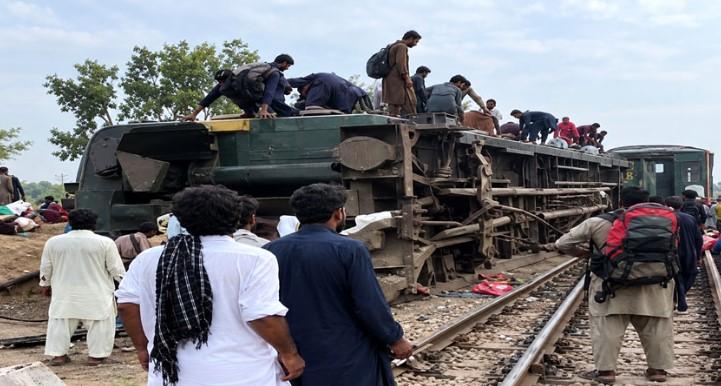
Four killed as Rehman Baba Express train derails near Multan
- 15 hours ago
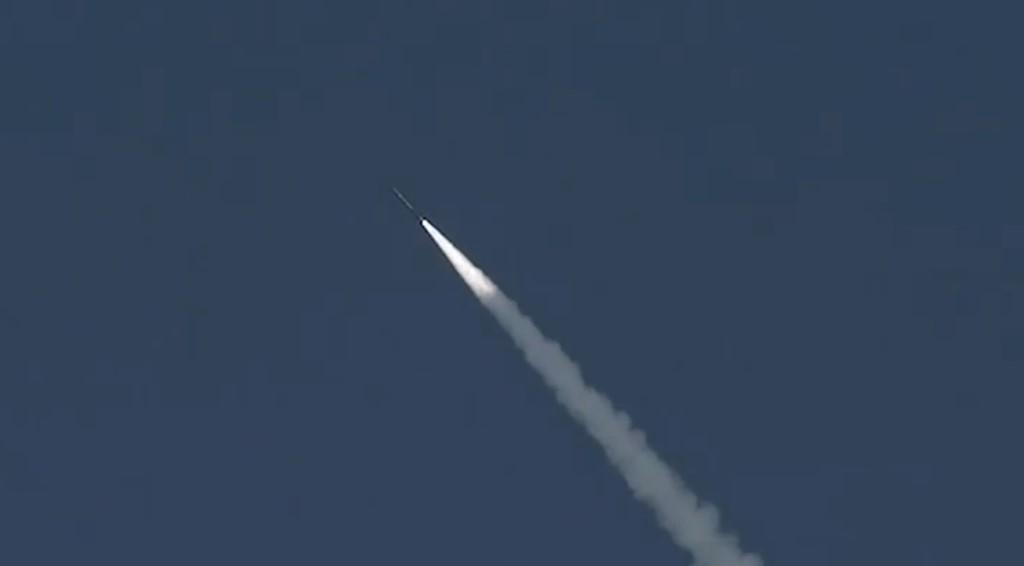
Pakistan Army conducts successful test launch of hypersonic Fatah-2 extended range missile: ISPR
- 15 hours ago
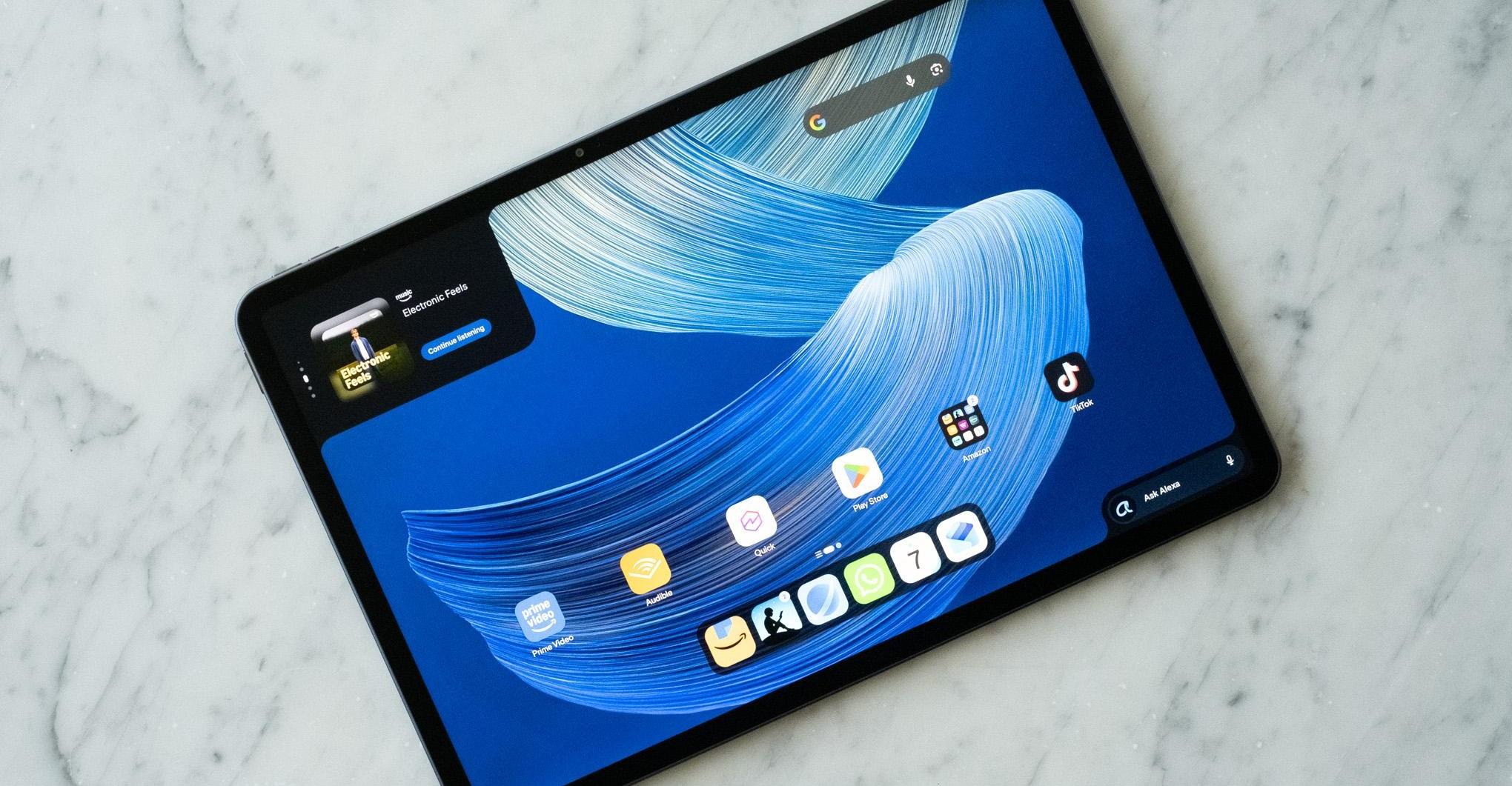
Hands-on with Amazon’s Alexa Tablet 12 Pro and its wild new matte display
- 3 hours ago
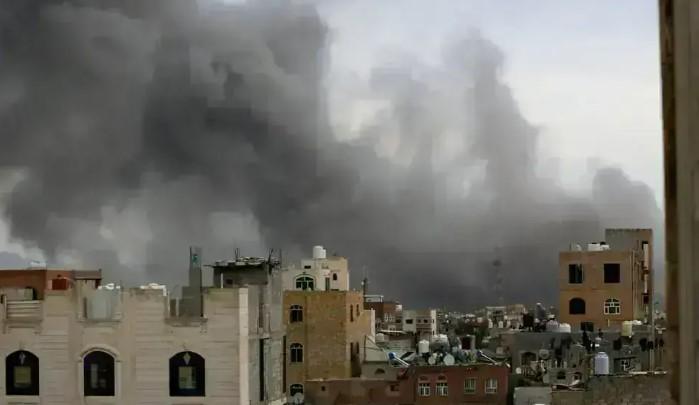
Saudi-led coalition orders evacuation of Yemen oil facility in Sanaa ahead of operation
- 11 hours ago

Tim Cook says ‘I’m not meddling’ in the new Apple CEO’s business
- 3 hours ago
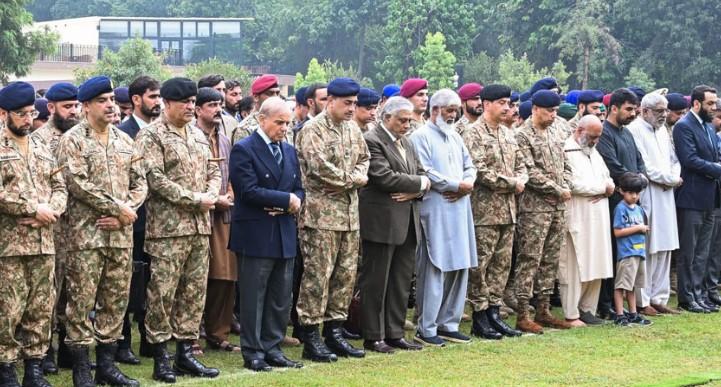
Funeral prayers of two martyred officers of Mushshak crash offered at Chaklala Garrison
- 13 hours ago

Apple to unveil new smart home products, showcasing updated Siri AI
- 16 hours ago

I only bought Pokémon Legends: Z-A during Prime Day, and it’s still on sale
- 3 hours ago
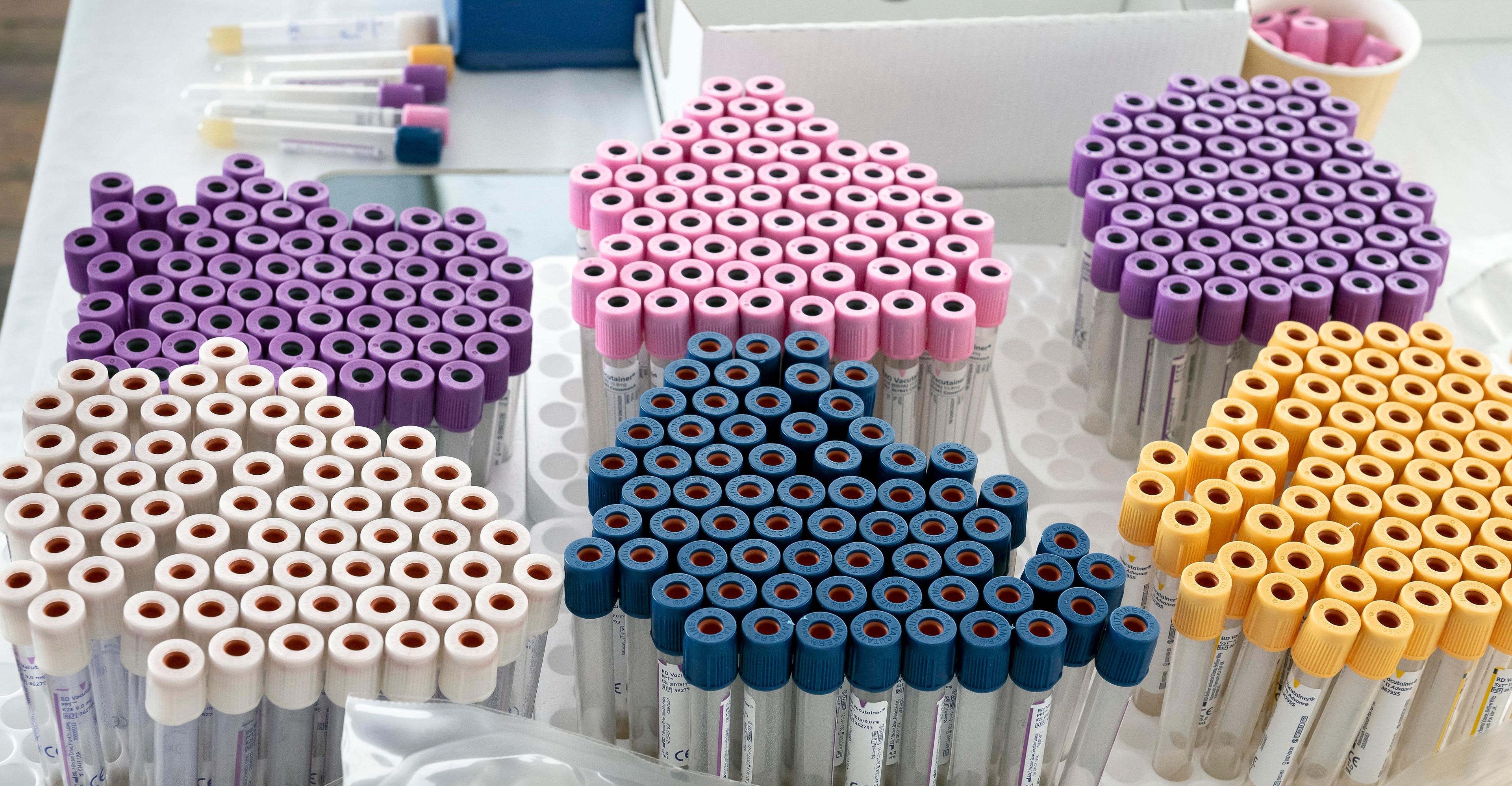
The liver transplant system tried to fix its sex bias. Did it work?
- an hour ago
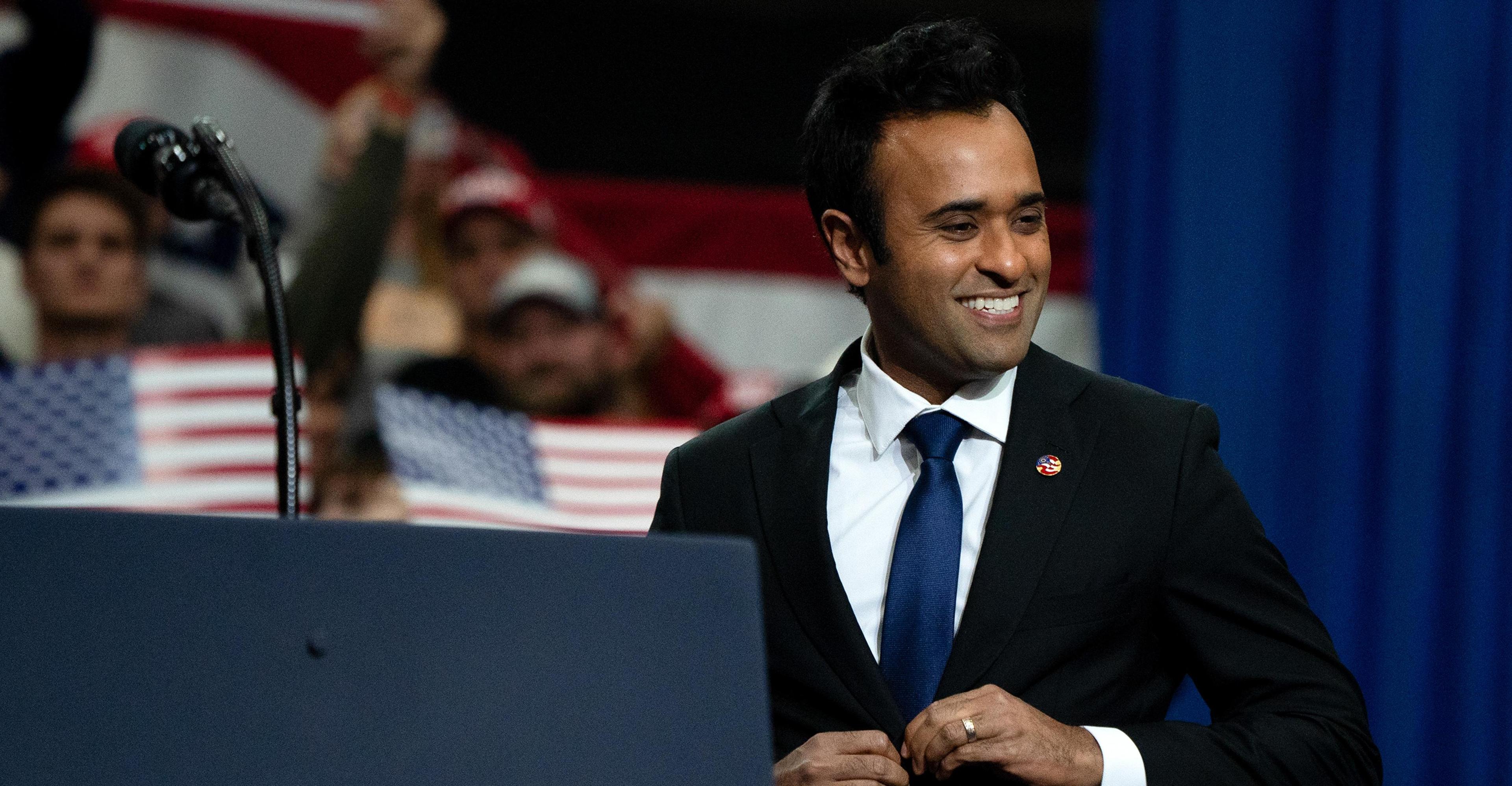
Why the right turned on Indian Americans
- a day ago

Anthropic launches free AI security scans for open-source projects
- 3 hours ago
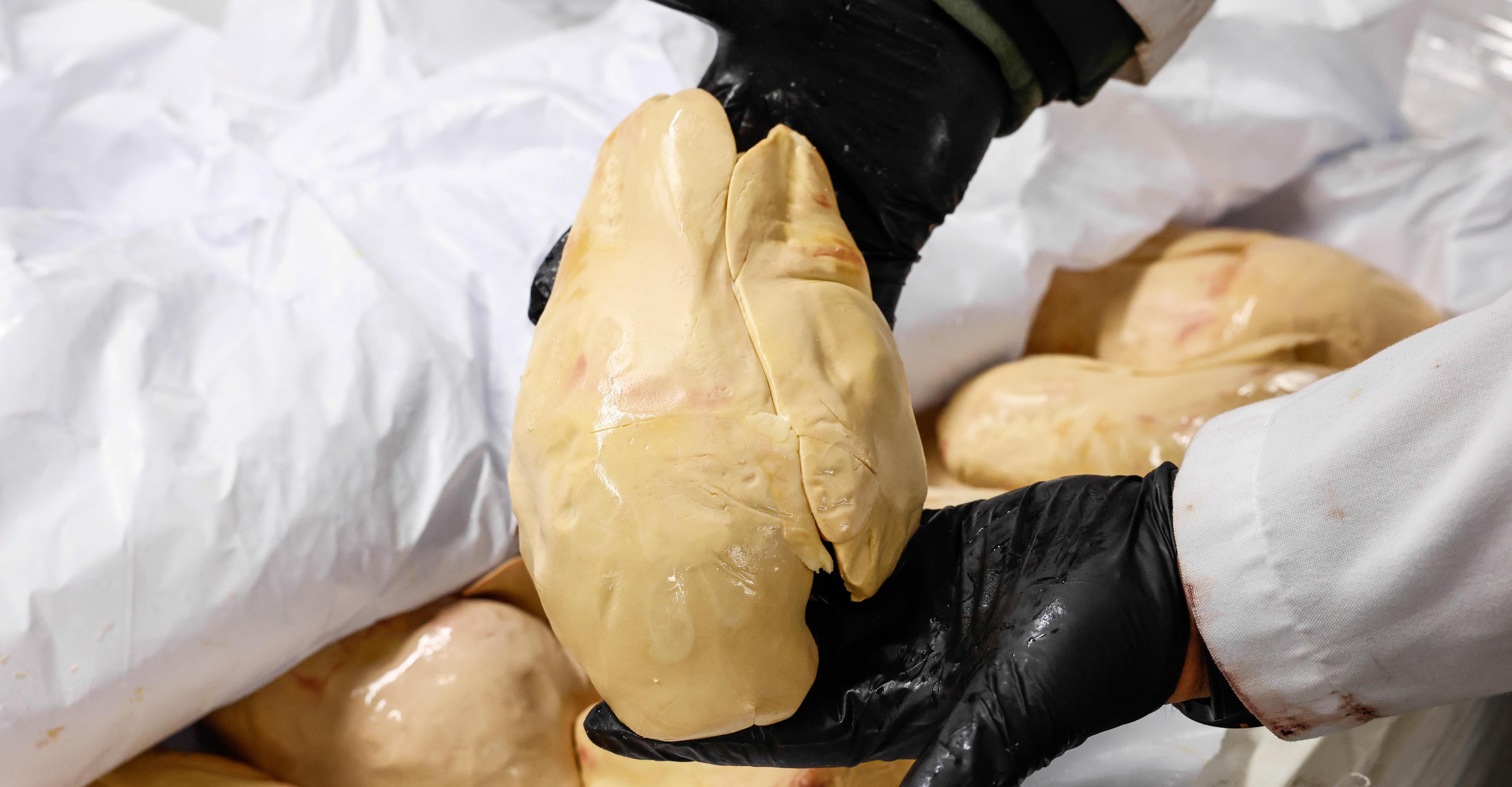
Two US cities could soon ban one of the world’s most controversial foods
- an hour ago