
Eleven days ago, we sent these questions to Western Digital’s head of PR and published them publicly on The Verge:
Technology
- Home
- Technology
- News
WD refused to answer our questions about its self-wiping SanDisk SSDs
After several expensive SanDisk solid-state drives began catastrophically failing, Western Digital is still refusing to answer our questions.

Published 3 years ago on Aug 23rd 2023, 10:00 am
By Web Desk
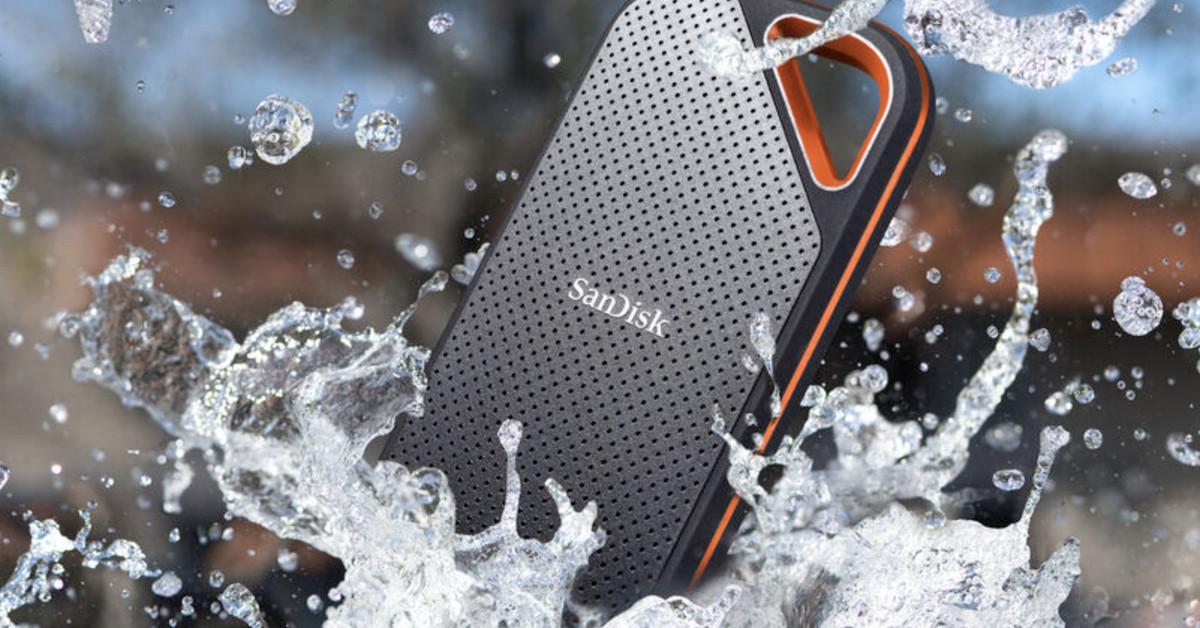
Why are these drives still on sale?Will you offer free data recovery services to affected customers? When?Are you proactively warning customers and retailers who have already purchased these drives that significant data loss is possible?If not, why not?What, exactly, is going wrong with these drives? How did this happen?
What’s the fuss? For months, the company has been laughably silent about how its pricey portable SanDisk Extreme SSDs might lose all your data. It happened to my colleague Vjeran Pavic twice. It happened to Ars Technica. It happened to PetaPixel.
Months after our inquiries, Western Digital continues to sell these drives due to deep discounts, fake Amazon reviews, and issues with Google Search that rank favorable results far higher than warnings about potential failures.
We have now received a response from Western Digital head of PR Robin Schultz, but nothing about the company’s stance has changed. Schultz repeatedly refused to answer any of our questions. Her statement doesn’t even contain an acknowledgment of the issue and has no specific timeline for any real answers.
The only reason we’re printing Western Digital’s statement is so you can see it for yourself:
In response to recent reports of concerns about specific Western Digital portable SSD products, we want to assure our valued customers that we are taking all measures necessary to address any product-related issues. We understand the significance of our products to our customers and we take these matters very seriously. We are conducting a comprehensive review to gain a thorough understanding of the issues.
After getting the statement, we asked Schultz three times whether Western Digital would answer our questions. Each time, she deflected. She also wouldn’t provide any idea of when the company might share its conclusions — if ever.
There is one possible reason Western Digital is finally speaking up and yet saying nothing: the company just got sued. As The Register reports, California resident Nathan Krum has filed a prospective class action lawsuit, citing breach of contract, fraudulent and unfair business practices, and many other claims. Krum is suing over both the SanDisk Extreme drive itself and damages for any data lost. You can read the full complaint at the bottom of this story.
And that’s just lawsuit number one: Ars Technica reports there are two more. Three SanDisk SSD lawsuits in total, each seeking class-action status for the same failures.
Western Digital was already forced into a class action settlement over a previous questionable practice: in 2020, the company brazenly tried to sneak SMR drives into its “WD Red” lineup marketed for network-attached storage devices. The company paid $5.7 million to settle those claims.
The company’s tricks didn’t end there: Western Digital’s NAS disks have started triggering warnings even if there’s nothing wrong with a drive, seemingly to scare people into buying new ones simply after three years have gone by.
I won’t be buying a Western Digital or SanDisk product anytime soon.
Update, 12:25AM ET: Added that there are actually three lawsuits, not just one, against WD.

Medvedev disqualified from China Open semi after hitting ball into crowd
- 13 hours ago

How did the Cornell rape case go so wrong?
- 2 days ago
The best early October Prime Day deals happening now
- 5 hours ago

Gold prices plummet in Pakistan, global markets
- 3 days ago
ROMO OUT AT CBS AFTER DUI...
- 2 days ago

Pakistan's delegation to attend Makkah defence committee meeting in Riyadh today
- 19 hours ago

UN Secretary-General Guterres to arrive in Pakistan tomorrow
- 17 hours ago
The Sonos Ace Ultra are the headphones Sonos should have made the first time
- 5 hours ago

US withdraws all bomber aircraft from UK airbase used during Iran war
- 13 hours ago
What color is a tennis ball?
- 3 hours ago

OpenAI won’t go public until its models are safe
- 5 hours ago

Apple’s ‘HomePad’ will reportedly launch on October 13th
- 5 hours ago
You May Like

Trending