Uniform Cigarette Taxation: solution to Economic Losses and Health Concerns
The International Monetary Fund (IMF), in its report, urged Pakistan to implement uniform taxation on cigarettes, emphasizing the need to address health concerns and generate maximum revenue from the sector.

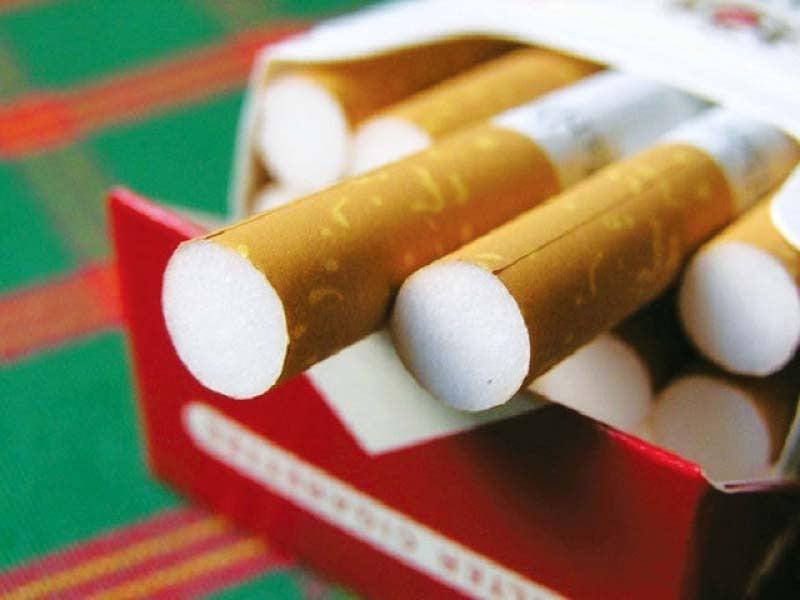
Islamabad: Pakistan has suffered significant economic losses due to the dominance of the cigarette industry, high consumption rates and subsequent health cost over the years and to deal these challenges the IMF has recently proposed a uniform taxation on tobacco sector.
The International Monetary Fund (IMF), in its report, urged Pakistan to implement uniform taxation on cigarettes, emphasizing the need to address health concerns and generate maximum revenue from the sector.
The IMF's recommendation comes in the wake of a significant decline in cigarette consumption by 20-25 percent following an increase in taxes on tobacco products.
It also advocates subjecting e-cigarettes to similar taxation as traditional tobacco products, highlighting comparable health impacts.
Health activists have rallied behind the IMF's recommendations, echoing the need for restructuring tobacco taxation in Pakistan.
The Sustainable Development Policy Institute (SDPI) has previously highlighted discrepancies in the tax collection framework. According to SDPI's report based on FBR data, Pakistan suffered a loss of Rs 567 billion in revenue over the past seven years.
Former federal Minister for National Health Services, Dr. Nadeem Jan, also advocated for a substantial 50 percent tax increase on tobacco products to deter consumption, especially among youth, citing severe health concerns. His demand is based on article 6 of WHO Framework Convention on Tobacco Control.
Pakistan's commitment to the Framework Convention on Tobacco Control (FCTC) underscores the importance of a unified pricing system for cigarettes to regulate the industry effectively and discourage consumption.
The World Health Organization (WHO) advocates for robust tax measures to reduce tobacco consumption, citing the effectiveness of a 10% increase in tobacco prices typically leads to a 4% decrease in overall tobacco consumption in high-income countries and up to an 8% decrease in low- and middle-income countries.
A study by the Pakistan Institute of Development Economics (PIDE) highlights the dire consequences of smoking-related diseases and deaths, with costs amounting to Rs 615.07 billion ($3.85 billion) in 2019, equivalent to 1.6% of the GDP.
The recent decision by the Pakistani government to increase the Federal Excise Duty (FED) on cigarettes has resulted in both revenue gains and a reduction in the rate of smoking. A World Bank report suggests that applying the current tax rate on premium cigarettes to standard cigarettes could further enhance revenue generation.
Malik Imran Ahmed, Country Head of Campaign for Tobacco Free Kids (CTFK) said policymakers are urged to heed the IMF's recommendations and implement comprehensive tax reforms to safeguard public health and bolster fiscal stability."
The IMF has referred to a study by Capital Calling, an Islamabad based think tank, finalizing recommendations for tax reforms.

JustWatch now streams TV shows and movies, too
- a day ago

Colleges can do more to prevent sexual assault. Here’s where to start.
- 21 hours ago
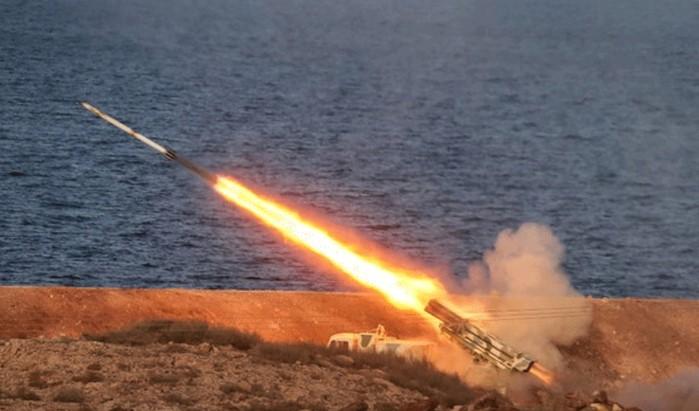
Saudi forces say intercepted two Houthi missiles targeting Yanbu, Taif
- 12 hours ago

How to ban gerrymandering when the Supreme Court is stacked against you
- 21 hours ago

10 terrorists, including one female, killed in Gwadar: ISPR
- a day ago
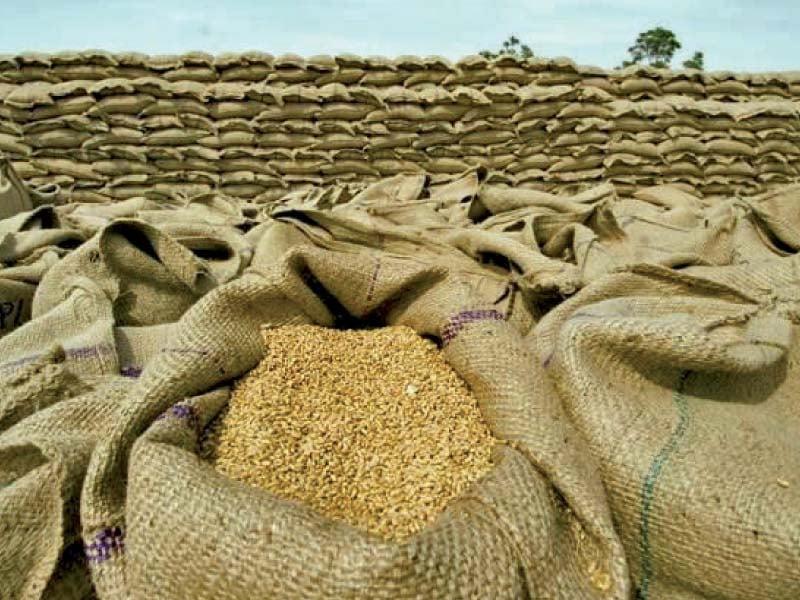
PM Shehbaz sets illustrative wheat price at Rs4,500 per 40kg for 2027
- a day ago

Xbox Cloud Gaming’s pay-as-you-go option starts at $3.99 for 10 hours
- 14 hours ago

SpaceX will try catching Starship and its booster for first time, Musk says
- a day ago

US military bans BYD vehicles from strategic air base in Japan
- 2 days ago
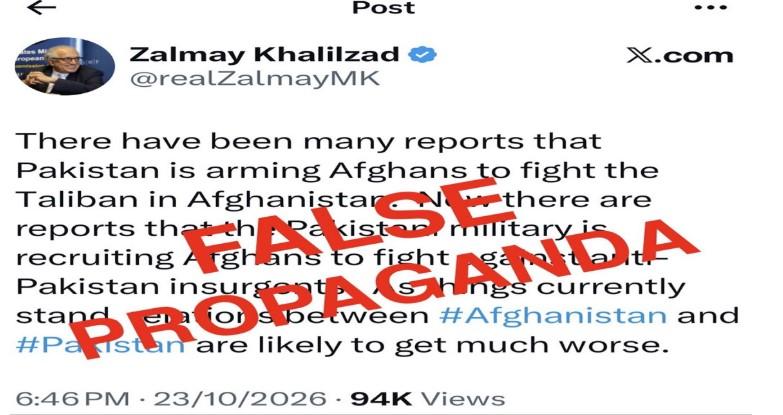
Pakistan rejects Khalilzad's allegations of arming Afghans
- 12 hours ago

Agha back but no Rizwan for Pakistan following England debacle
- 6 hours ago
FinMin Aurangzeb, WB discuss Pakistan's economic reform agenda
- a day ago