
The new Apple Intelligence features coming to iOS 18 could be the most impressive integrations of AI software and consumer hardware to date. Apple’s AI tools will be able to take actions based on what they know about you, manage your notifications, and rewrite text. They’re the kinds of things that could make day-to-day use of your iPhone a lot better. But they won’t be available unless you have one of Apple’s latest and most expensive iPhone models.
Technology
- Home
- Technology
- News
The AI upgrade cycle is here
The new Apple Intelligence features coming to iOS 18 could be impressive, but they might also just be driving another upgrade cycle.

Published 2 سال قبل on جون 15 2024، 10:00 صبح
By Web Desk
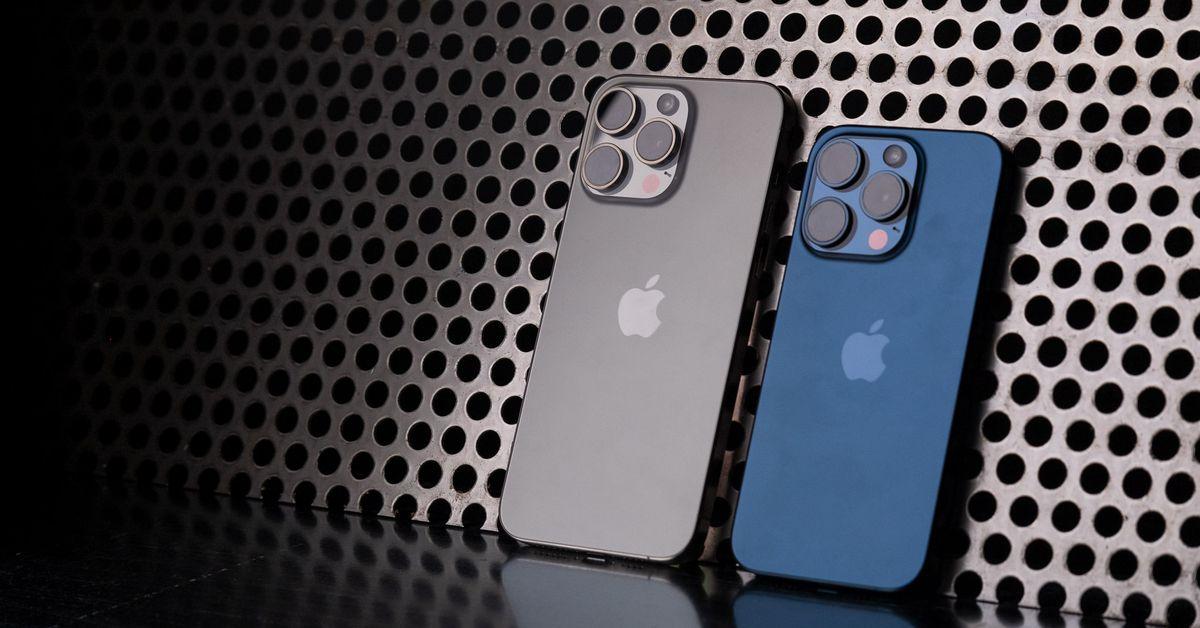
AI has quickly become the latest entry in the tech industry’s never ending desire to drive an upgrade cycle. A few years ago, every smartphone maker raced to 5G; more than a decade ago, the TV industry pushed for 3D TVs. Right now, every tech company clearly sees an opportunity with AI and is adding AI features confined to their latest and greatest devices as a result. But like the race to 5G, the mad rush toward AI is happening quickly and before the tech has been proven useful and its problems ironed out.

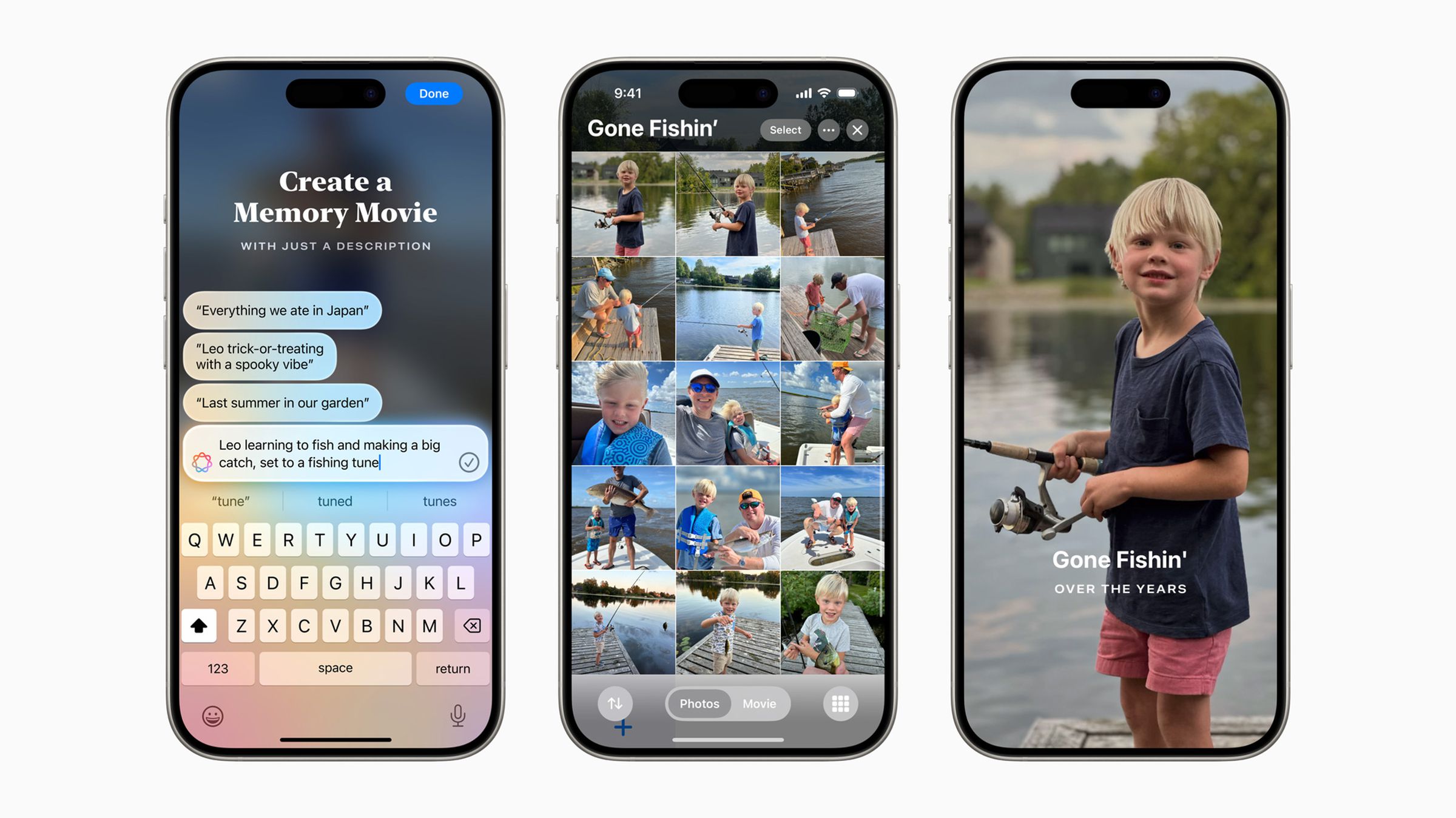
To use Apple Intelligence on an iPhone, you’ll need to have an iPhone 15 Pro (which starts at $999) or iPhone 15 Pro Max (which starts at $1,199). That probably comes as a disappointment to iPhone 15 and 15 Plus users, who have phones that aren’t even a year old. iPad and Mac users are luckier: you’ll need to be running one of those devices with an M1 chip or newer to try Apple Intelligence for yourself, so any device from the past few years will work. (The M-series chips, of course, have been another Apple-encouraged reason to upgrade your gear.)
Apple isn’t necessarily playing tricks here, as there is a real need for improved hardware to run advanced AI systems. AI processing is demanding. And Apple isn’t the only tech company gating some of its best new AI software features to specific hardware. Only the new Copilot Plus PCs from Microsoft and others will support some AI features in Windows like the (controversial) Recall. With its Pixel devices, Google initially said its Gemini Nano model would only be available on its Pixel 8 Pro, even though the regular Pixel 8 has the same Tensor G3 chipset.
On the other hand, it’s not clear how firm those hardware limitations really are. Apple hasn’t said exactly why older iPhones can’t use Apple Intelligence. Many AI features are local, but more advanced queries are often offloaded to the cloud. And given that Google recently said that the Pixel 8 actually will be able to run Gemini Nano, the limitations may not be as cut and dry as the tech companies make it seem. Apple didn’t respond to a request for comment about the hardware restrictions.
As an iPhone 12 Mini super fan, this potential upgrade push is a huge bummer. Since its 2020 launch, the small phone has remained pretty much perfect for me even with its lackluster battery. I haven’t had any significant reason to upgrade my phone for years, saving me bundles of money while still getting to use the vast majority of new features included with iOS upgrades.
I’ve been hoping to hold onto my Mini phone until it goes kaput. But if these Apple Intelligence features actually work, I might end up getting a new iPhone much sooner than I expected.
To be fair, you don’t have to upgrade your devices just because of some new AI features. iOS 18 will be available to every iPhone that runs iOS 17 — devices going back to 2018’s iPhone XR and XS — meaning that a lot of people will still get features like improved Home Screen customization, handy new Messages tools (tapbacks with any emoji!), and the Passwords app. And you can of course keep on using your current Windows machine and Pixel phones if they’re serving you well.
But you can be sure that Apple, Microsoft, Google, and others are going to continue to pack their operating systems with new AI features that require better hardware. Clearly, they think (or maybe just hope) that the features will be compelling enough to make an upgrade a lot more enticing, even if you don’t really need it.

What to know about the Republican-led effort to impeach Pete Hegseth
- a day ago

What the Democratic leadership fight is really about
- 13 hours ago
Google Fi is bringing back multiple cell network support for better coverage
- 15 hours ago

Creatine is everywhere. What does science actually say?
- a day ago

Aura’s next color E Ink photo frame is smaller, cheaper, sharper, and more colorful
- a day ago
Google’s Pixel Tag tracker is now available
- 2 days ago

How science informs author Emily St. John Mandel’s fiction
- a day ago
Peak Design’s Roller Lite Carry-On is bigger on the inside — and cheaper, too
- a day ago

Reddit wants to guide your next purchase
- a day ago
Sony’s latest Pulse wireless headset packs planar magnetic drivers at a good price
- 15 hours ago

How the 7 healthcare workers who just got elected to Congress plan to fix our broken system
- a day ago
Seagate’s FireCuda Forge moves your data between a hard drive and SSD for better performance
- a day ago
You May Like
Trending