Electric vehicles to account for up to half of auto sales by 2030, BYD Pakistan says
Warren Buffett-backed Chinese electric vehicle giant BYD last month announced its entry into Pakistan

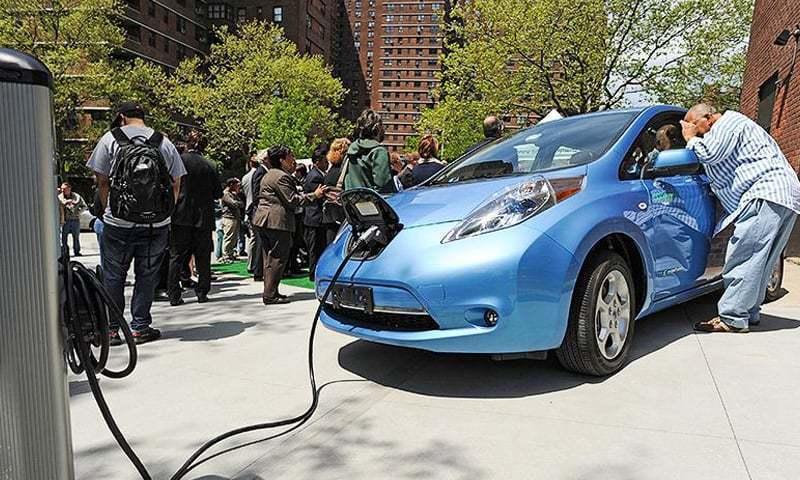
(Reuters): Up to 50 per cent of all vehicles bought in Pakistan by 2030 will be electrified in some form in line with global targets, BYD Pakistan, a partnership between China’s BYD and Pakistani car group Mega Motors, said.
Warren Buffett-backed Chinese electric vehicle giant BYD last month announced its entry into Pakistan, making the South Asian nation of 250 million people one of its newest markets.
The partnership has announced plans to open an assembly plant in early 2026 but will introduce vehicles for sale later this year, after launching three models in August.
“I see conversion to new energy vehicles NEV at up to 50pc,” Kamran Kamal, BYD’s spokesperson in Pakistan, told Reuters in an interview at his office on Thursday.
Kamal is also the CEO of Hub Power, which owns Mega Motors.
The target is an ambitious one for Pakistan’s auto sector, which has been largely dominated by Japanese automakers Toyota, Honda and Suzuki, with vehicle sales hitting a 15-year low in the fiscal year to June.
Recently South Korea’s KIA has begun challenging for market share along with Chinese companies Changan and MG, all of whom offer hybrid vehicles.
BYD Pakistan is the first major new energy vehicle entrant in the Pakistani market. Hybrid electric vehicle sales in Pakistan have more than doubled in the past year.
While reaching 30pc NEV adoption by 2030 is feasible, achieving 50pc may be more challenging due to infrastructure hurdles, said Muhammad Abrar Polani, auto sector analyst at Arif Habib Limited.
Kamal said the challenge of charging infrastructure would be addressed by government plans to incentivise its construction.
Local media reported in August that standards for electric vehicles (EVs) charging stations had been drafted by the power ministry, with the government considering offering them affordable electricity.
Kamal said BYD Pakistan is collaborating with two oil marketing companies to establish a charging infrastructure network and aims to establish 20 to 30 charging stations within the initial phases concurrent with the rollout of its cars.
BYD Pakistan will initially sell fully assembled vehicles, which are subject to higher import charges than vehicles shipped in parts and assembled locally.
“Our main focus is to have locally assembled cars on the roads as soon as possible,” said Kamal, citing difficulties in importing and selling fully assembled units under Pakistan’s current duty structure.
Kamran said BYD Pakistan is deciding on the size of a new plant, but details about the investment and partnership with power utility Hubco will be disclosed later.
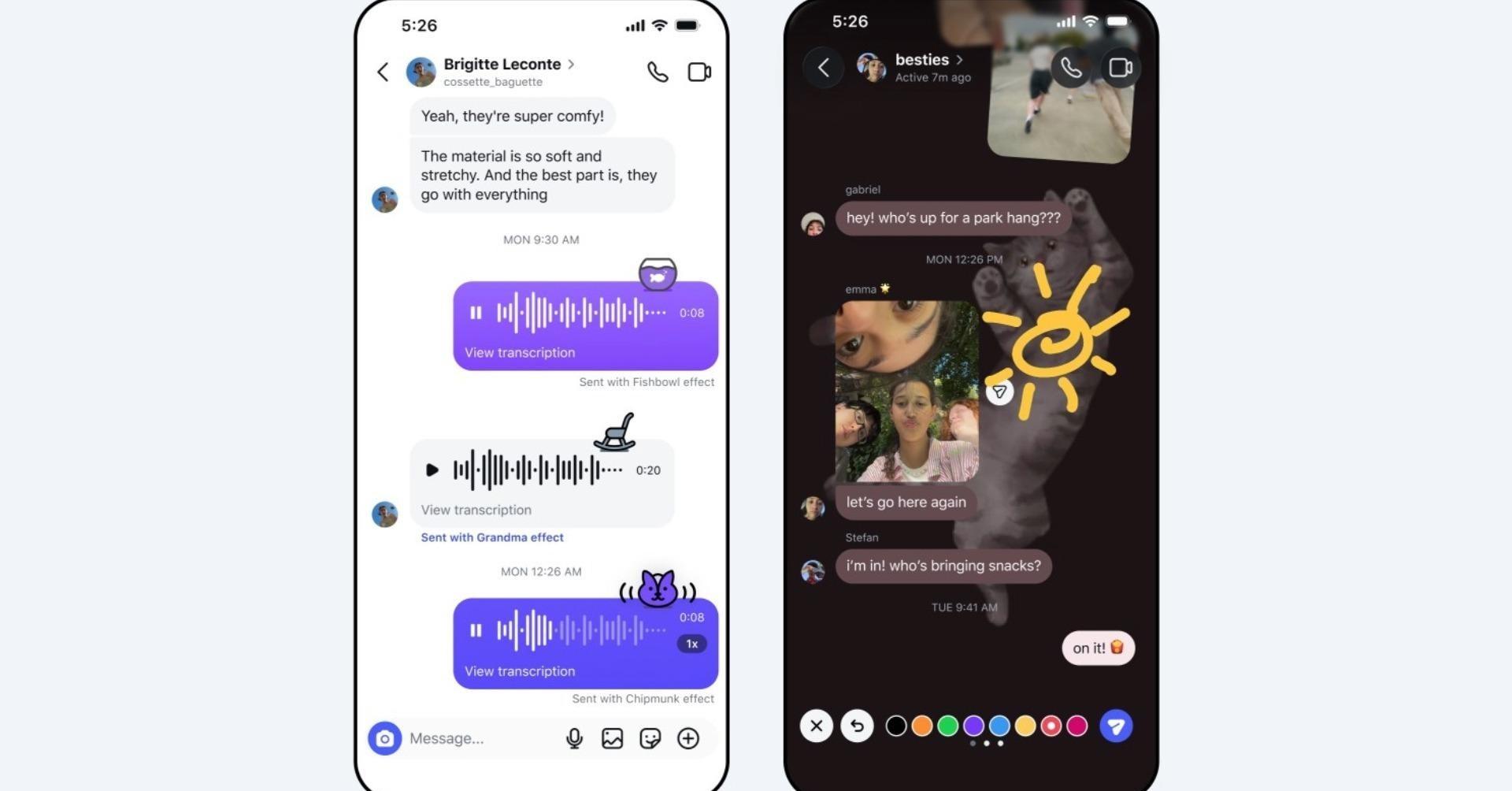
Meta is testing a new standalone messaging app called Direct
- 11 hours ago

How to talk to kids, according to kids
- 9 hours ago
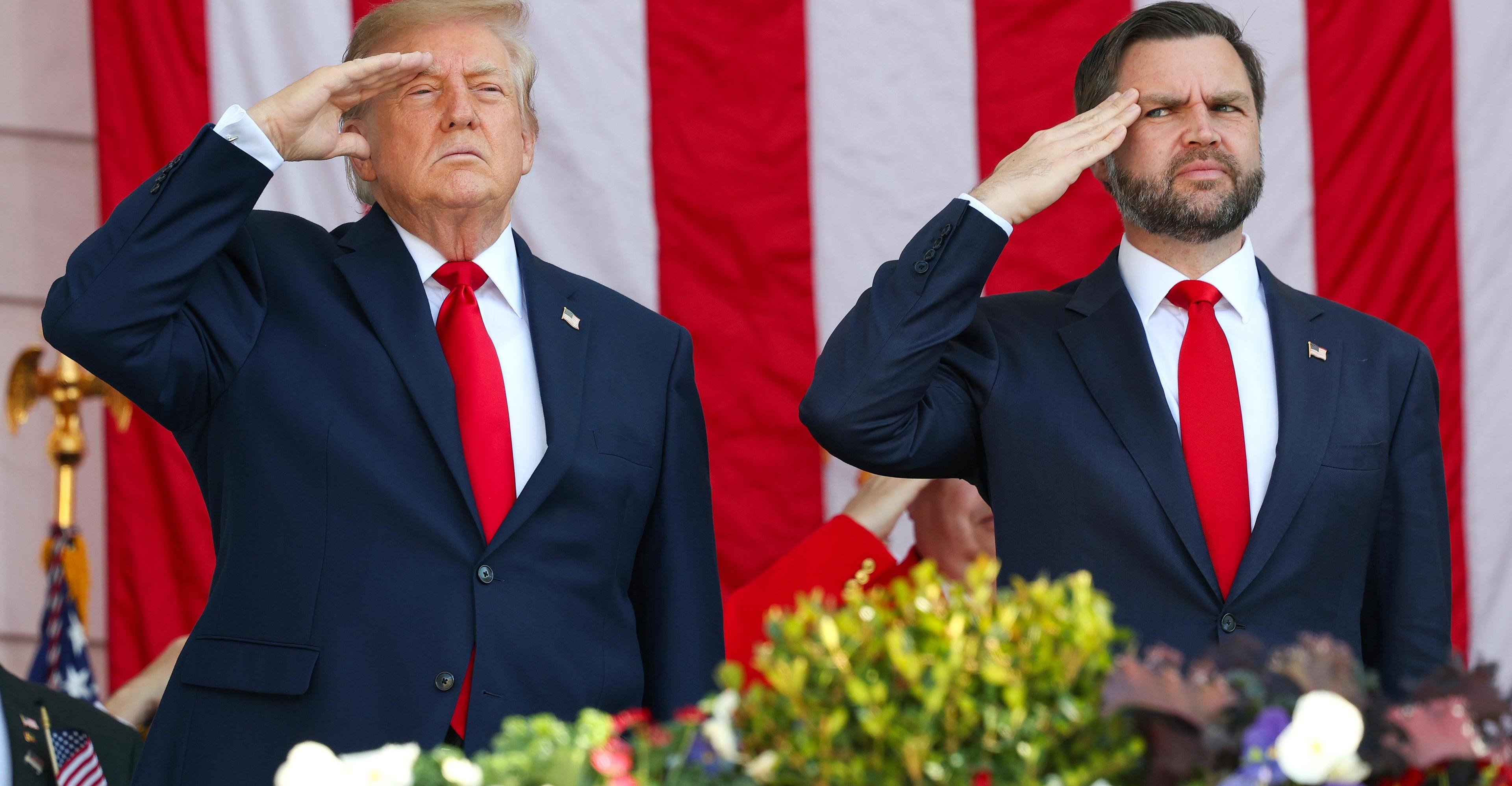
Why everyone, even the GOP, is sick of JD Vance
- 9 hours ago
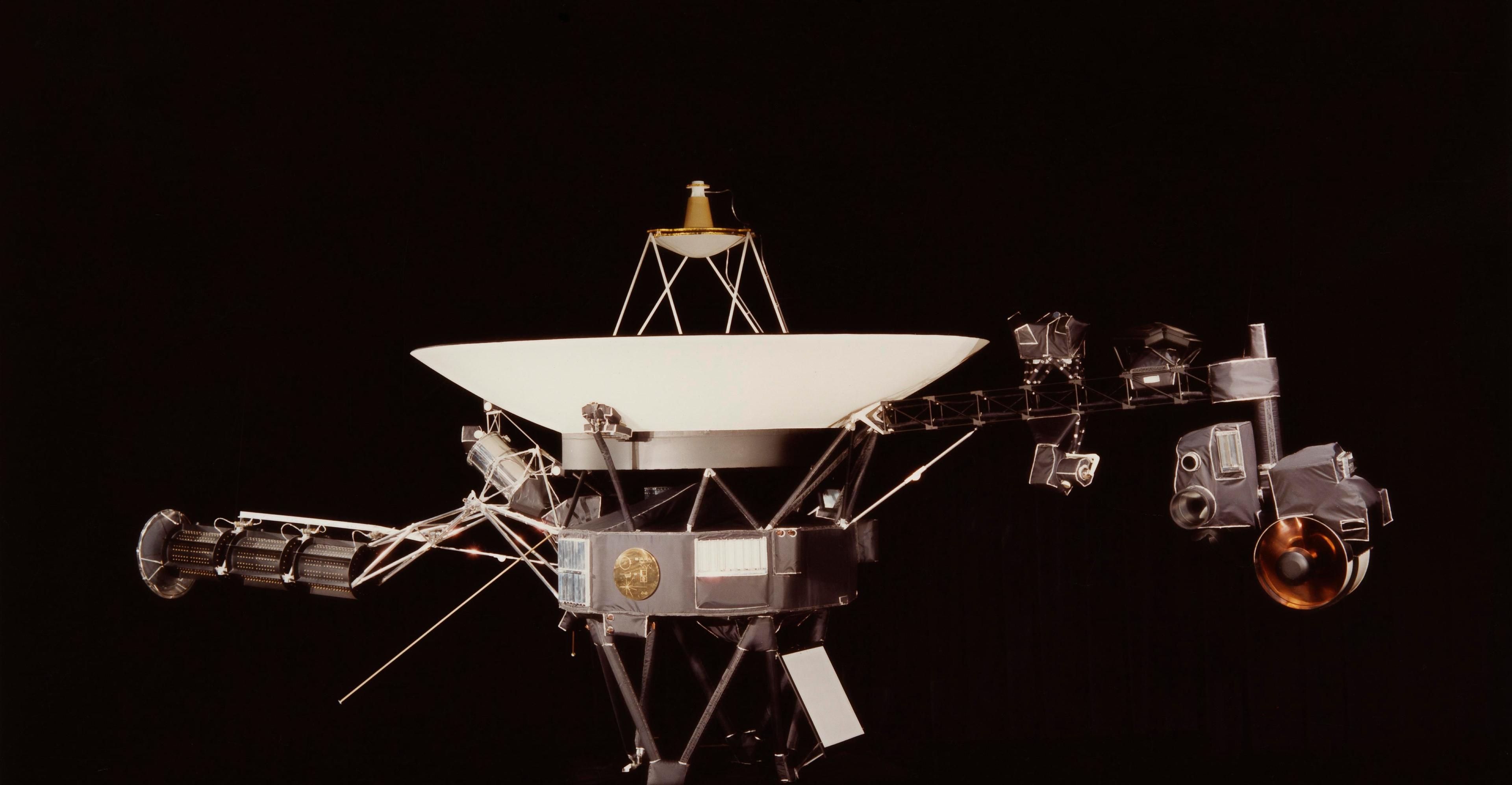
NASA’s Voyager 1 probe is now one light-day away
- 11 hours ago
Nvidia’s Q3 earnings hit the mark, without mentioning the whole Jensen Huang thing
- 11 hours ago
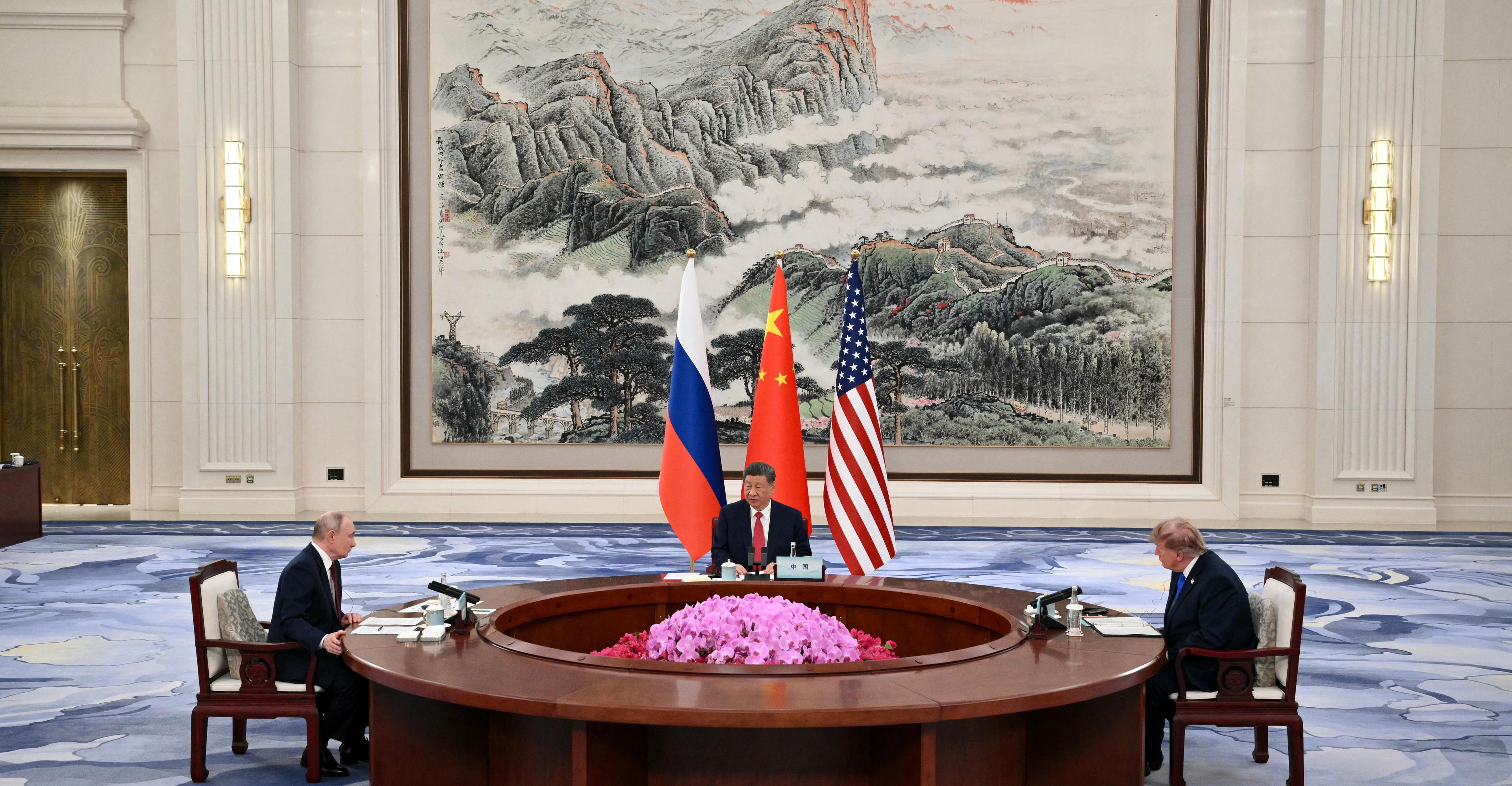
The world’s most powerful frenemies talk nuclear weapons
- 9 hours ago
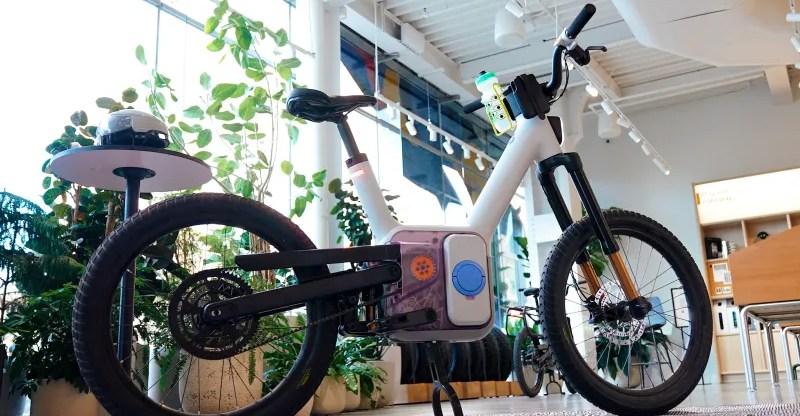
Rivian spinoff Also pauses e-bike deliveries over battery and software bugs
- 2 hours ago

Will Wright’s next game uses AI to map your memories
- 2 hours ago
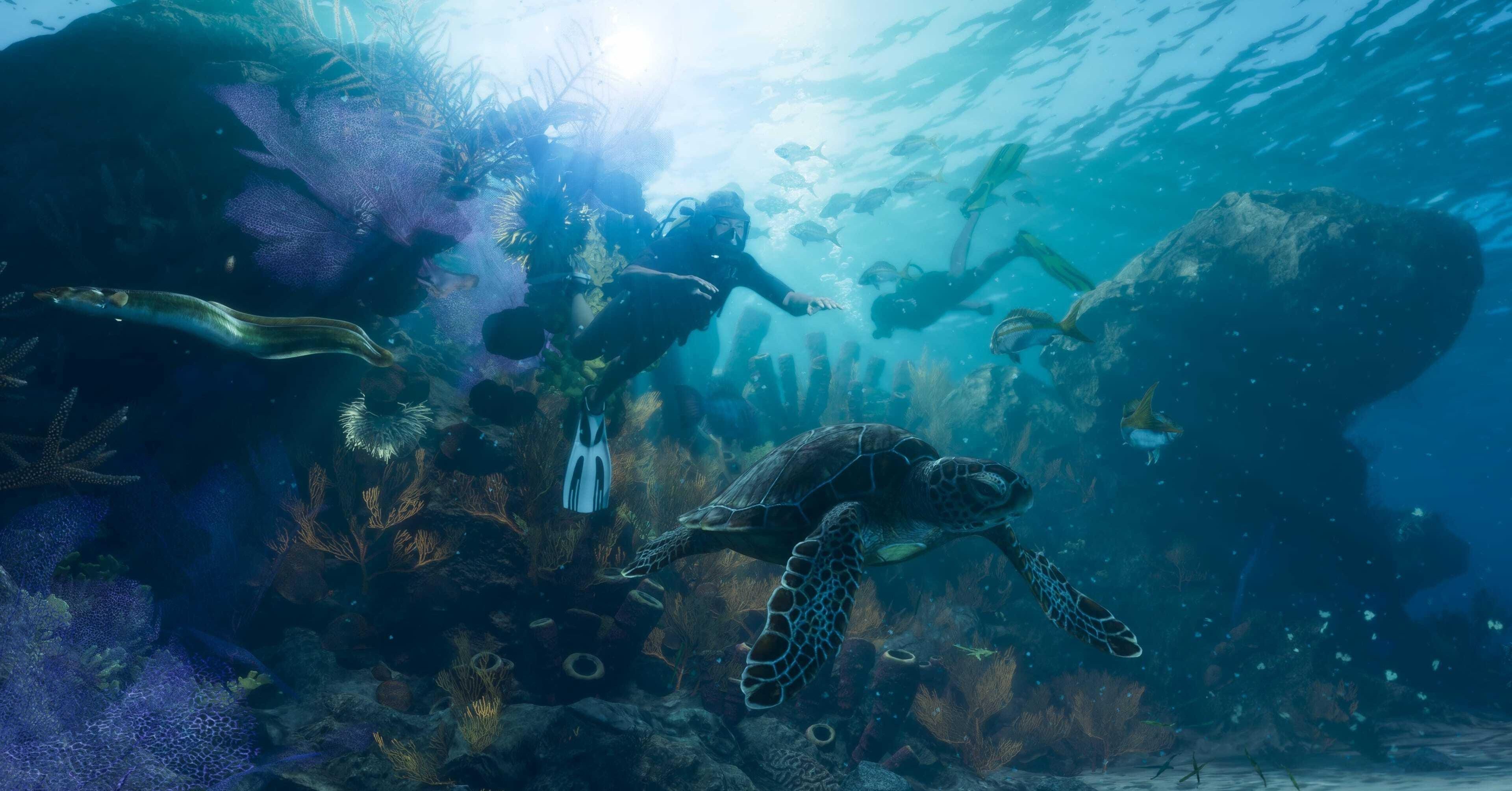
Come to GTA VI for the crime spree. Stay for the manatee.
- 9 hours ago
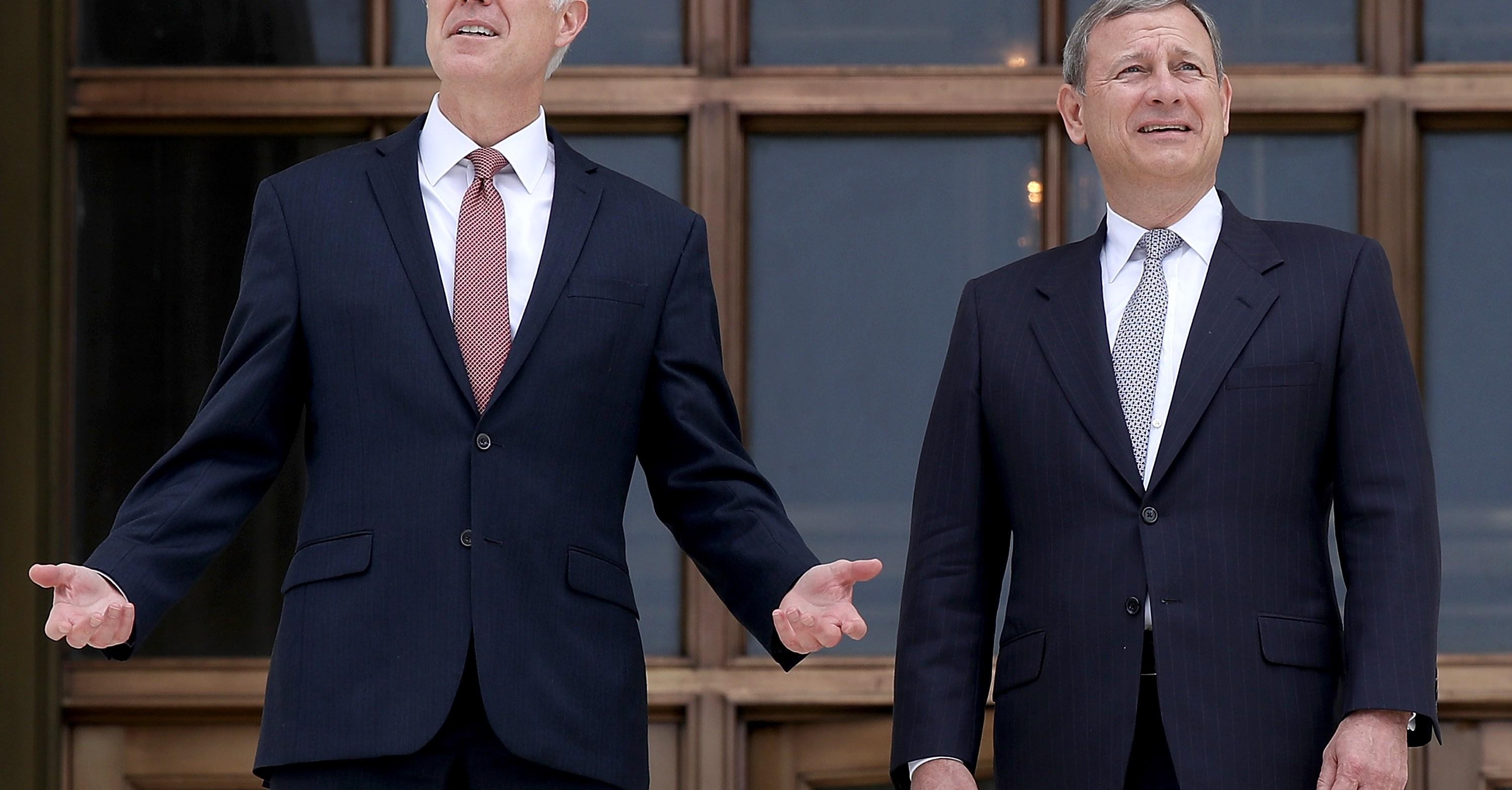
The Supreme Court is about to decide whether to gut countless federal laws
- 9 hours ago
Nvidia isn’t selling any more AI chips to China
- 2 hours ago

Instagram’s ‘school safety’ push was also a way to get more teens on the app
- 2 hours ago