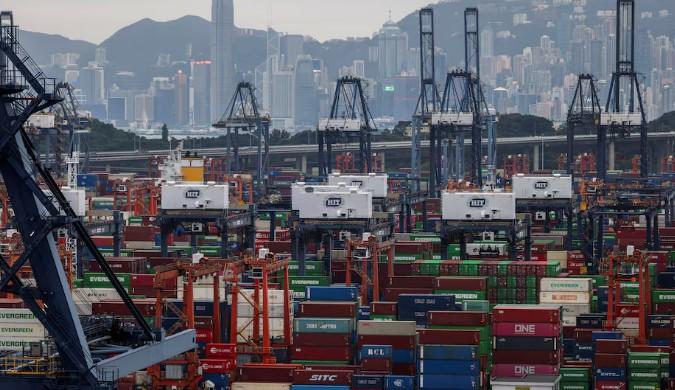
Brent crude futures were down 95 cents, or 1.1 per cent, to $84.46 per barrel and West Texas Intermediate (WTI) was down $1.08, or 1.3pc, to $79.93 as of 04:40 GMT

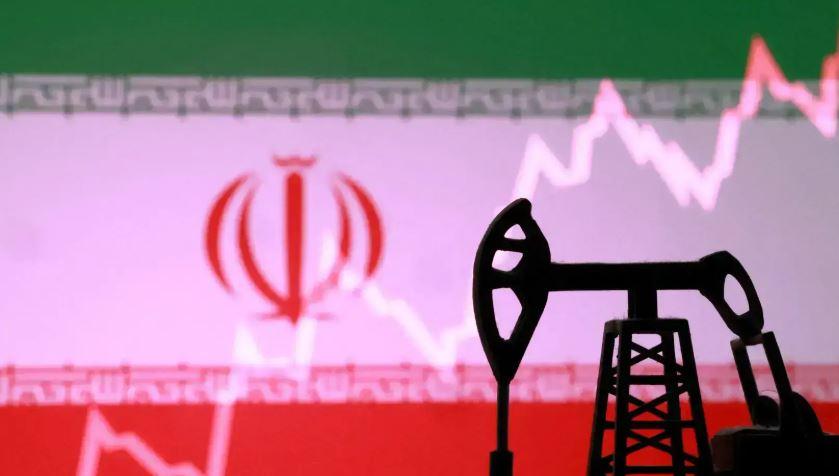
Reuters: Oil prices fell on Friday for the first time in six days as the US government is weighing potentially intervening in the futures market to blunt rising prices and issued waivers for Russian oil purchases to ease supply constraints from the Middle East war.
Brent crude futures were down 95 cents, or 1.1 per cent, to $84.46 per barrel and West Texas Intermediate (WTI) was down $1.08, or 1.3pc, to $79.93 as of 04:40 GMT.
Still, Brent has surged 16.4pc this week while the WTI jumped 19.2pc on track for the steepest weekly gain since Russia launched its full-scale invasion of Ukraine in February 2022.
The gains followed the start on February 28 of the war between the US and Israel, on one side, and Iran that has halted tankers moving through the Strait of Hormuz, which typically carries roughly one-fifth of the world’s daily oil supply.
The conflict has since spread across the key Middle East energy-producing region, causing disruptions to oil output and the shutdowns of refineries and liquefied natural gas plants.
“With every passing day, halted activities in Hormuz will have two major impacts on oil: the inability to store 20 million barrels per day and the lack of flow to the world, which could drive global energy prices higher,” said Priyanka Sachdeva, senior market analyst at Phillip Nova.
In the face of the potentially higher gains, the US Treasury Department is expected to announce measures to combat rising energy prices from the Iran conflict, including potential action involving the oil futures market, a senior White House official said on Thursday, without providing any details.
Such a move would mark an unusual attempt by Washington to influence energy prices through financial markets rather than physical oil supplies.
The US Treasury also granted waivers on Thursday for companies to start buying sanctioned Russian oil stored on tankers to ease supply constraints which have pushed refineries in Asia to reduce their fuel processing.
The first waivers were given to Indian refiners, who have responded by buying millions of barrels of Russian crude oil cargoes, reversing months of pressure on them to halt the purchases.
Data from ship-tracking firm Kpler shows about 30m barrels of Russian oil are available and loaded on vessels in the Indian Ocean, Arabian Sea region and Singapore Strait, including volumes in floating storage.
Still, the recent gain in prices is relatively subdued compared to other price shocks such as in 2022 when Russia attacked Ukraine and prices rose above $100 a barrel.
“It’s important to put this move into perspective: despite crude’s almost 20% surge this month, the price is currently just $3.40 above its average over the last four years,” IG analyst Tony Sycomore said on Friday.

PM calls for promoting Pak-Maldives trade, investment ties
- 5 گھنٹے قبل

Meta ordered to pay $25 billion in penalties over the Cambridge Analytica scandal
- ایک گھنٹہ قبل
The case for data centers, explained by a person who wants you to like them
- ایک دن قبل

Cyberpunk 2077’s update for Edgerunners 2 brings mods to PS5, Switch 2, and Xbox
- ایک گھنٹہ قبل

Pakistan, EU agree to cement counterterrorism cooperation
- 11 گھنٹے قبل
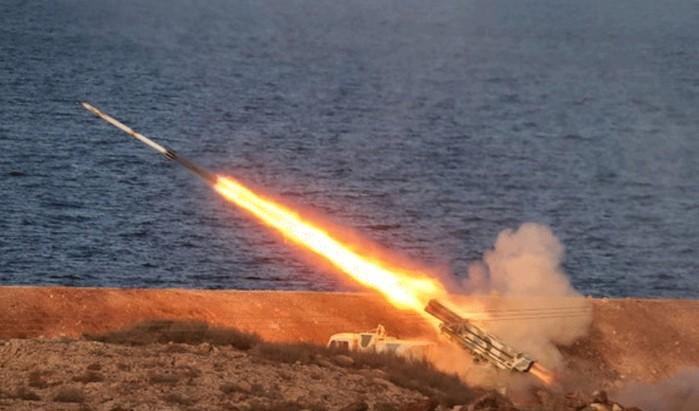
Two killed, 8 injured in attack on airport in Saudi oil city Dammam
- 13 گھنٹے قبل

Brook scores fastest double century in ODI history in rampant England's 429-4
- 11 گھنٹے قبل

PHP: The three letters that shut down sites all over the internet today
- ایک گھنٹہ قبل

GM promises smarter cars, faster updates, and autonomous dry-cleaning runs
- ایک گھنٹہ قبل

Conversational Gemini navigation comes to Apple CarPlay
- ایک گھنٹہ قبل

This chart shows just how rapidly Ebola is spreading
- ایک دن قبل

The French youth revolt
- ایک دن قبل