WNBA commissioner Cathy Engelbert wrote in a letter to all of the league's players that she "missed the mark" in an interview when she was asked about the abusive rhetoric players face on social media.

Published 2 years ago on Sep 17th 2024, 11:00 am
By Web Desk
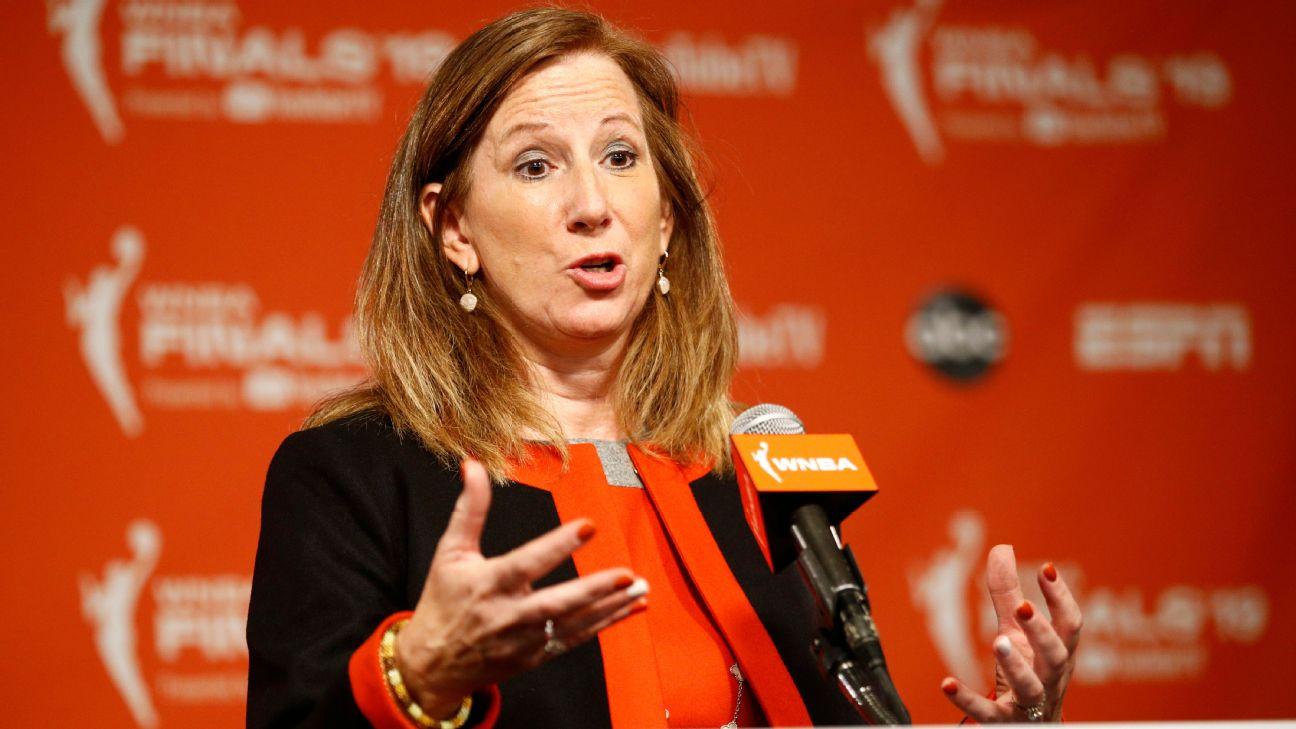
WNBA commissioner Cathy Engelbert promised Friday that she and the league will show leadership in fighting against the abusive discourse that players experience on social media.
Engelbert also apologized to the players for an interview she gave Monday on CNBC in which she focused on the popularity of rivalries but did not condemn the abusive rhetoric players have faced.
"I was asked a question about WNBA rivalries and the dark side of social media and race, and simply put, my answer missed the mark and I'm sorry," Engelbert wrote to the players in a letter obtained by ESPN. "I regret that I didn't express, in a clear and definitive way, condemnation of the hateful speech that is all too often directed at WNBA players on social media."
The letter, first reported by The Wall Street Journal, was sent to all the WNBA players. Engelbert also had conversations with some players, a league source told ESPN.
Engelbert was asked on CNBC's "Power Lunch" on Monday about the "more menacing" tone taken by some fan bases on social media, especially when race or sexuality is brought up. Engelbert focused instead on high-profile rookies Caitlin Clark of the Indiana Fever and Angel Reese of the Chicago Sky and how rivalries build fan interest.
WNBA players reacted on social media and in interviews with disappointment and frustration about Engelbert not speaking out directly against abusive language. Women's National Basketball Players Association executive director Terri Jackson released a statement Tuesday saying Engelbert failed to condemn the "racism, misogyny, and harassment" players have experienced.
Jackson has told ESPN that the players' association felt because the league had not sent a message in trying to set the tone for fan conduct on social media, it was left to the players alone to address it.
"We find it unacceptable to encourage the players to market this league and to engage and/or post on social media to promote this league and then leave the players unprotected in the manner in which they have," Jackson said. "We expected the league to recognize the negative impact it was having on the players as well as its business and to have proactively addressed this situation earlier in the season. Maybe you cannot control what is said or posted on social media, but you can send a message that demonstrates that you are paying attention, that states that racism, bias, hate are unacceptable and not welcomed, that shows that you stand in solidarity with the players."
In Friday's letter, Engelbert pledged that the league will always do that going forward.
"I should have stated directly and unequivocally that hate speech is harmful," she wrote. "This is a teachable moment and one I embrace with humility. There is absolutely no room for racism, misogyny, homophobia and other forms of hate in the WNBA or anywhere.
"I know many of you have been dealing with it for a long time. I want us as a league to do our part to change the too often toxic and abusive nature of social media discourse."
Jackson said that, in the past, the WNBPA has worked with other professional players' associations on a project that studied the targeted online abuse of elite athletes and ways to protect them as workers.
"Perhaps the WNBPA and the WNBA, their corporate partners and other relevant stakeholders can come together and consider potential solutions and maybe even lead on this issue," Jackson said.
Before this season, the WNBA conducted team awareness meetings with each franchise to provide players information about the league's Mind Health platform and advise them of the mental wellness resources available to them, especially as the league has become more popular in recent years and has even more interaction with fans.
As for concerns about potential safety issues for players from potentially abusive fans, all 12 teams have security personnel who are either team employees or contractors. The WNBA has security representatives in each market and at all games. NBA Security is also an available resource to provide investigation, research or coordination with law enforcement for player safety concerns.
Engelbert, in her letter, said she pledged the league will listen to players, work with them on battling abusive rhetoric, and continue to provide mental health resources and guidance.
"Speaking out and taking action to address injustice is in the DNA of the WNBA," Engelbert wrote. "For our entire history, it has been core to the work we all do."
Engelbert also apologized to the players for an interview she gave Monday on CNBC in which she focused on the popularity of rivalries but did not condemn the abusive rhetoric players have faced.
"I was asked a question about WNBA rivalries and the dark side of social media and race, and simply put, my answer missed the mark and I'm sorry," Engelbert wrote to the players in a letter obtained by ESPN. "I regret that I didn't express, in a clear and definitive way, condemnation of the hateful speech that is all too often directed at WNBA players on social media."
The letter, first reported by The Wall Street Journal, was sent to all the WNBA players. Engelbert also had conversations with some players, a league source told ESPN.
Engelbert was asked on CNBC's "Power Lunch" on Monday about the "more menacing" tone taken by some fan bases on social media, especially when race or sexuality is brought up. Engelbert focused instead on high-profile rookies Caitlin Clark of the Indiana Fever and Angel Reese of the Chicago Sky and how rivalries build fan interest.
WNBA players reacted on social media and in interviews with disappointment and frustration about Engelbert not speaking out directly against abusive language. Women's National Basketball Players Association executive director Terri Jackson released a statement Tuesday saying Engelbert failed to condemn the "racism, misogyny, and harassment" players have experienced.
Jackson has told ESPN that the players' association felt because the league had not sent a message in trying to set the tone for fan conduct on social media, it was left to the players alone to address it.
"We find it unacceptable to encourage the players to market this league and to engage and/or post on social media to promote this league and then leave the players unprotected in the manner in which they have," Jackson said. "We expected the league to recognize the negative impact it was having on the players as well as its business and to have proactively addressed this situation earlier in the season. Maybe you cannot control what is said or posted on social media, but you can send a message that demonstrates that you are paying attention, that states that racism, bias, hate are unacceptable and not welcomed, that shows that you stand in solidarity with the players."
In Friday's letter, Engelbert pledged that the league will always do that going forward.
"I should have stated directly and unequivocally that hate speech is harmful," she wrote. "This is a teachable moment and one I embrace with humility. There is absolutely no room for racism, misogyny, homophobia and other forms of hate in the WNBA or anywhere.
"I know many of you have been dealing with it for a long time. I want us as a league to do our part to change the too often toxic and abusive nature of social media discourse."
Jackson said that, in the past, the WNBPA has worked with other professional players' associations on a project that studied the targeted online abuse of elite athletes and ways to protect them as workers.
"Perhaps the WNBPA and the WNBA, their corporate partners and other relevant stakeholders can come together and consider potential solutions and maybe even lead on this issue," Jackson said.
Before this season, the WNBA conducted team awareness meetings with each franchise to provide players information about the league's Mind Health platform and advise them of the mental wellness resources available to them, especially as the league has become more popular in recent years and has even more interaction with fans.
As for concerns about potential safety issues for players from potentially abusive fans, all 12 teams have security personnel who are either team employees or contractors. The WNBA has security representatives in each market and at all games. NBA Security is also an available resource to provide investigation, research or coordination with law enforcement for player safety concerns.
Engelbert, in her letter, said she pledged the league will listen to players, work with them on battling abusive rhetoric, and continue to provide mental health resources and guidance.
"Speaking out and taking action to address injustice is in the DNA of the WNBA," Engelbert wrote. "For our entire history, it has been core to the work we all do."
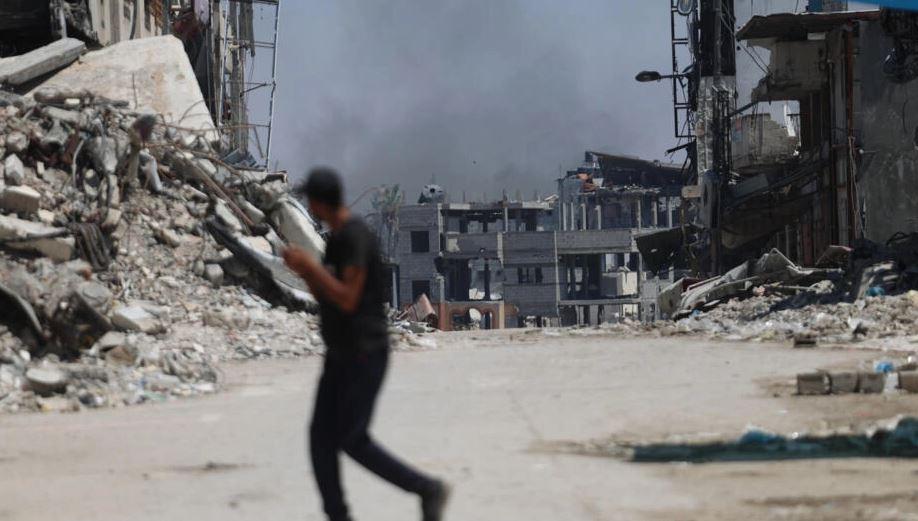
Israeli strike kills five, including four women, in Gaza, health officials say
- 2 days ago

Gold prices plummet in Pakistan, global markets
- 2 days ago

Meta’s Muse AI sent a YouTuber’s address to a stranger
- 2 days ago
OpenAI’s new agent is a shot at Meta — but can it compete with free?
- 2 days ago

More kids are using AI for companionship — and it’s making them lonely
- 2 days ago

Disney World solved a problem that could save America billions every year
- 2 days ago
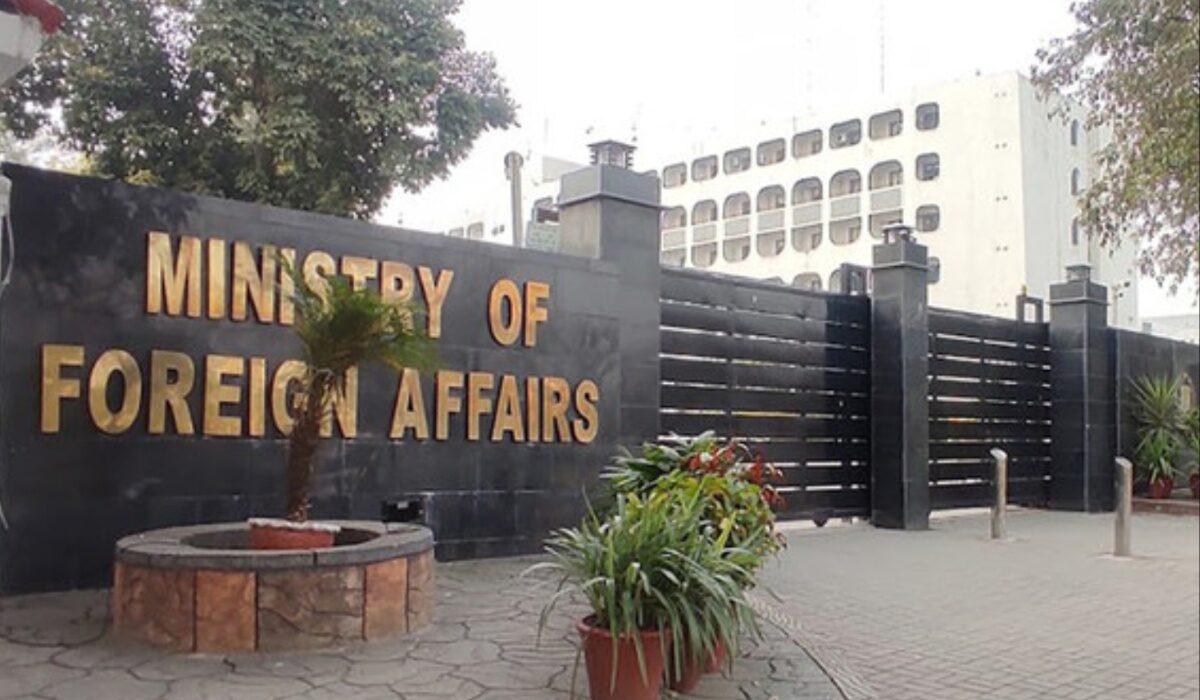
Civilian deaths: Pakistan lodges strong protest with India over border firing incident
- 2 days ago

The secret to using AI without getting dumber
- 2 days ago
ROMO OUT AT CBS AFTER DUI...
- a day ago

SteelSeries’ new mice are super light, with ultra-wideband and swappable batteries
- 2 days ago
India beat Pakistan in final to complete cricket double
- 2 days ago
How did the Cornell rape case go so wrong?
- a day ago
You May Like
Trending