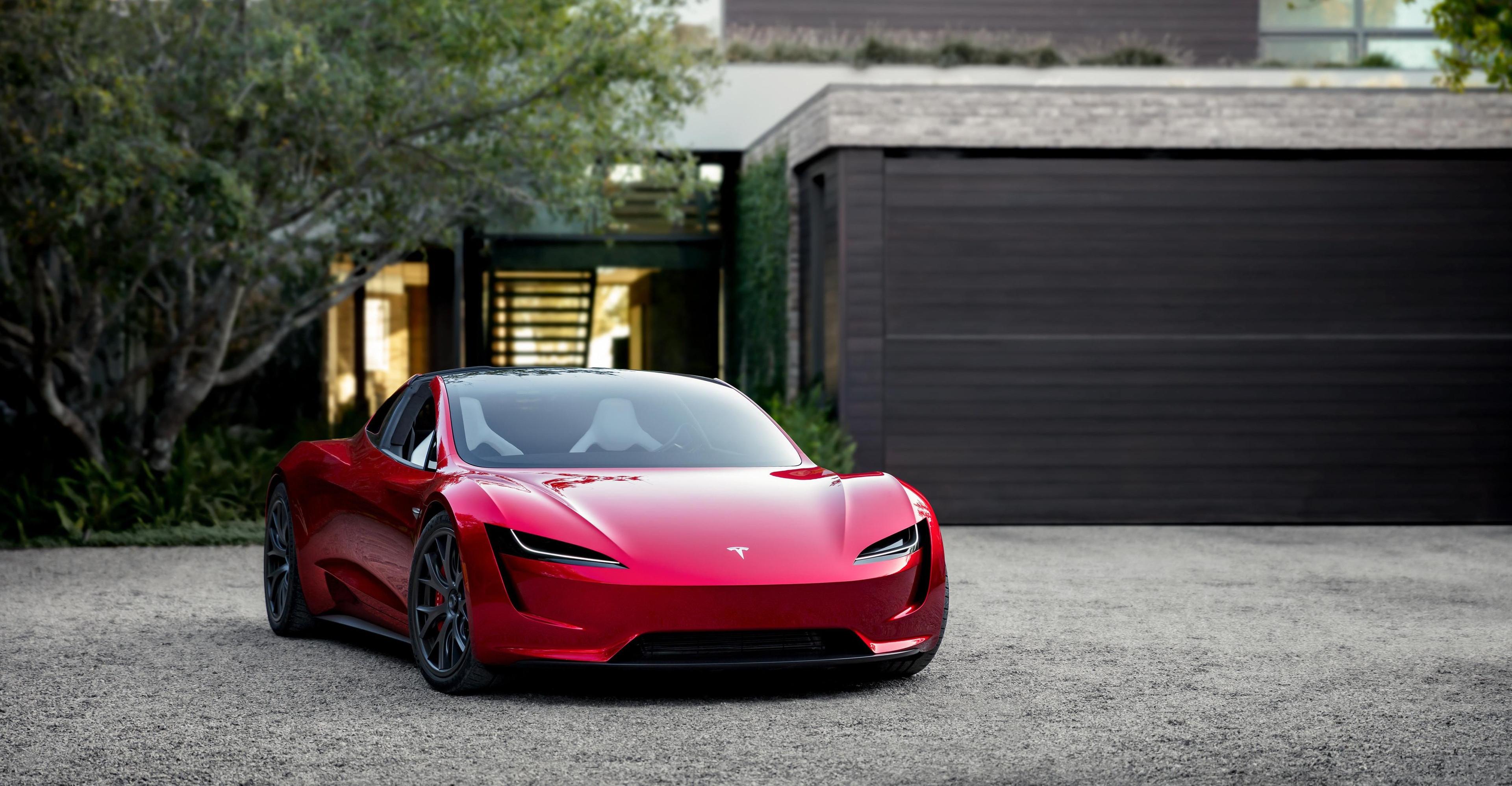
It is not clear if revised position had been formally communicated to developing nations


Baku (Reuters): The European Union, United States and other wealthy countries at the COP29 summit have agreed to raise their offer to $300 billion per year by 2035 to help developing nations deal with climate change, sources told Reuters on Saturday, after a previous $250bn proposal was dismissed as insultingly low.
The summit had been due to finish on Friday but ran into overtime as negotiators from nearly 200 countries — who must adopt the deal by consensus — tried to reach an agreement on a climate funding plan for the next decade.
The shift in position came after a $250bn proposal for a deal, drafted by Azerbaijan’s COP29 presidency on Friday, was panned by developing countries as insufficient.
It was not clear if the wealthy countries’ revised position had been formally communicated to developing countries at COP29, and whether it would be enough to win their support.
Five sources with knowledge of the closed-door discussions said the EU had agreed it could accept the higher number. Two of the sources said the US, Australia and Britain were also on board.
A European Commission spokesperson and an Australian government spokesperson both declined to comment on the negotiations. The US delegation at COP29 and the UK energy ministry did not immediately respond to requests for comment.
Pushing for $390bn
Marina Silva, Brazil’s minister of the environment and climate change, had said on Friday that the Amazon rainforest nation — which is set to host next year’s COP30 climate summit — was pushing for $390bn by 2035.
“We cannot leave Baku without a decision that lives up to the challenge we are facing,” she said via a translator. “We need to reach $300bn by 2030, then $390bn by 2035 so we can achieve this goal.”
Sierra Leone’s environment minister, Abdulai Jiwoh, declined to comment on the $300bn figure on Saturday, saying: “We’re still working on the number with other parties.”
Delegates were awaiting a new draft text of the deal on climate finance on Saturday after negotiators worked through the night to bridge wide gaps in their positions.
The COP29 talks have laid bare the divisions between wealthy governments constrained by tight domestic budgets and developing nations reeling from the soaring costs of storms, floods and droughts fuelled by climate change.
The new goal is intended to replace developed countries’ previous commitment to provide $100bn in climate finance for poorer nations per year by 2020. That goal was met two years late, in 2022, and expires in 2025.
Deal also needed on details
Any deal would require agreement on more than just the headline amount. Negotiators have been working throughout the two-week summit to address other critical questions on the target, including who is asked to contribute and how much of the funding is on a grant basis, rather than provided as loans.
The roster of countries required to contribute — about two dozen industrialised countries, including the US, European nations and Canada —dates back to a list decided during UN climate talks in 1992.
European governments have demanded others join them in paying in, including China, the world’s second-biggest economy, and oil-rich Gulf states.
The recent election of Donald Trump as US president, who has called climate change a hoax, has cast a cloud over the talks in Baku. Negotiators from other wealthy nations expect the world’s biggest economy will not pay into the climate finance goal during Trump’s impending four-year term.
A broader goal of raising $1.3 trillion in climate finance annually by 2035 —which economists say matches the sum needed — was included in the draft deal published on Friday, and would include funding from all public and private sources.
Poorer countries have warned that a weak finance deal at COP29 would undercut their ability to set more ambitious targets to cut the greenhouse gas emissions causing climate change.
Sierra Leone’s Abdulai told Reuters that the initial proposal for a $250bn target for 2035, from Friday, would not amount to a real increase in support when accounting for inflation.
“We’ve spent three years negotiating these numbers. And with the end of the three years we’ve got nothing,” Abdulai said, adding that the deal needed stronger language to make accessing funding easier.
What Christina Applegate’s misdiagnosis reveals about MS
- 2 hours ago

How the biggest renewable energy project in US history finally got built
- 2 hours ago
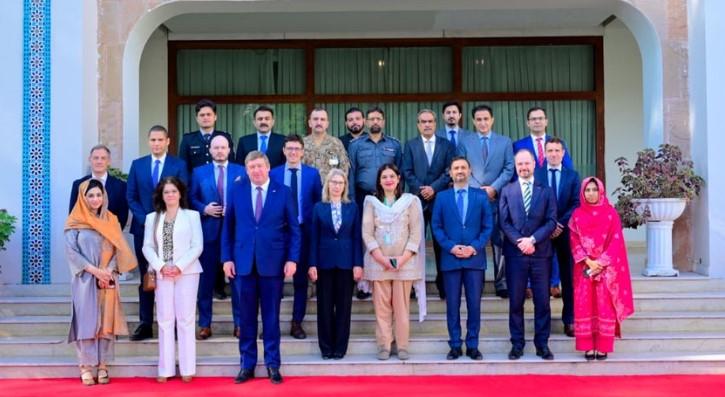
Pakistan, EU agree to cement counterterrorism cooperation
- 13 hours ago
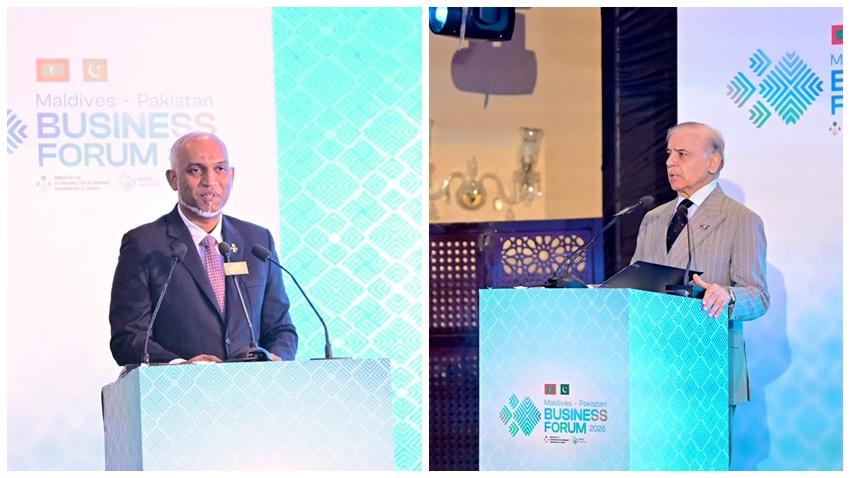
PM calls for promoting Pak-Maldives trade, investment ties
- 8 hours ago
Russia released a US prisoner. What did they get out of it?
- 2 hours ago
The Cornell rape case has surfaced a hidden divide among progressives
- 2 hours ago
This Democrat’s accountability plan has Trump fuming
- 2 hours ago
GM promises smarter cars, faster updates, and autonomous dry-cleaning runs
- 4 hours ago

Cyberpunk 2077’s update for Edgerunners 2 brings mods to PS5, Switch 2, and Xbox
- 4 hours ago

Meta ordered to pay $25 billion in penalties over the Cambridge Analytica scandal
- 4 hours ago

PHP: The three letters that shut down sites all over the internet today
- 4 hours ago

Conversational Gemini navigation comes to Apple CarPlay
- 4 hours ago