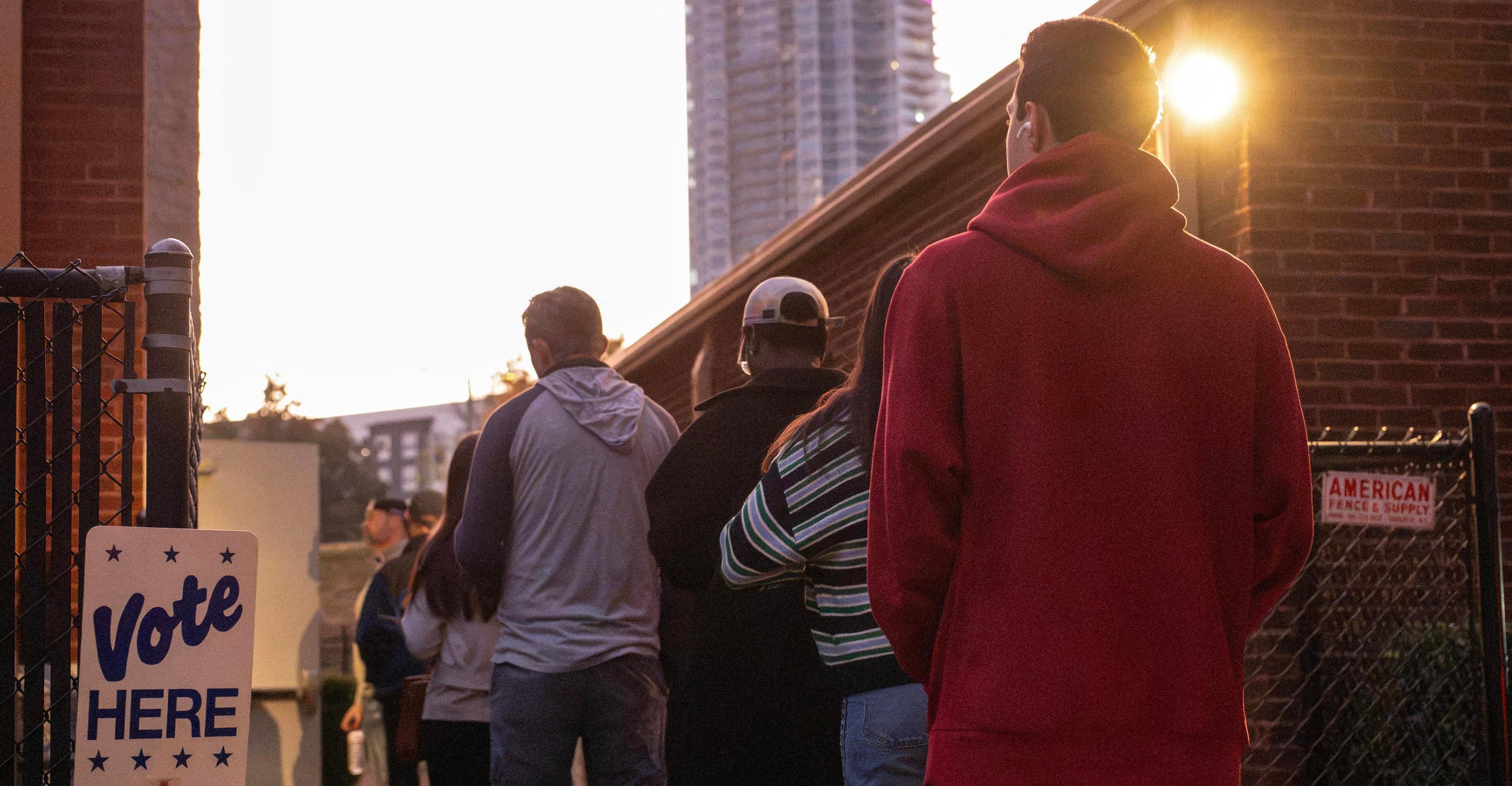
It’s back-to-school season and across the US, the aroma of freshly sharpened pencils, pumpkin spice everything, and ultra-processed pizza lunches is in the air. Sure, the Department of Education might be hanging on by a thread and teenagers keep buying walkie…

Published ایک سال قبل on ستمبر 12 2025، 7:00 صبح
By Web Desk

It’s back-to-school season and across the US, the aroma of freshly sharpened pencils, pumpkin spice everything, and ultra-processed pizza lunches is in the air.
This story was first featured in the Future Perfect newsletter.
Sign up here to explore the big, complicated problems the world faces and the most efficient ways to solve them. Sent twice a week.
Sure, the Department of Education might be hanging on by a thread and teenagers keep buying walkie-talkies to circumvent cellphone bans. And the latest scores from the National Assessment of Educational Progress, the most comprehensive evaluation of US students, indicate that the reading skills of 12th-graders are the worst they have been in three decades. But, by and large, the kids are back in class.
That’s not something we should take for granted.
Over 270 million children around the world today — including a staggering one in 10 young kids and over a quarter of teens — are not enrolled in school. That’s 21 million more than the year before. It’s as if you took every single school-aged child in the US, from kindergarten to 12th grade, out of school and then multiplied that number by five. To make matters worse, the United Nations Children’s Fund released an analysis last week estimating that another 6 million kids won’t make it to class this year because of cuts to international aid for education, which is expected to decline by a whopping $3.2 billion by 2026, a 24 percent drop from two years prior.
Many of those children live in countries embroiled in years of war and violence. Places like Sudan, Nigeria, Gaza, Afghanistan, and Ukraine. And, as the number of conflicts has doubled over the past few years, the simple ability to keep children in a classroom has become another casualty of war.
[Media: https://datawrapper.dwcdn.net/YYYLo/2/]
Nowhere is the problem worse than in Sudan. Some 16.5 million kids — a vast majority of Sudan’s 19 million school-aged children — have been out of school amid a bloody civil war that’s plunged wide swaths of the country into famine. In Gaza, almost all the schools have been damaged, left as either battlegrounds or crowded shelters for students and families shattered by almost two years of Israeli bombardments. And in Afghanistan, aid cuts have nearly shuttered the secret schools still serving a smattering of the 2.2 million girls and women that the Taliban bans from receiving more than a primary education.
Just a few years ago, the pandemic caused students around the world to miss out on in-person classes, many of them for far longer than in the US. We know now just how damaging those absences were for kids’ reading and math skills, not to mention their emotional health and happiness.
For kids living through crisis, school is even more essential. It’s where they can get a few meals a day, and a much-needed dose of stability and support in a sea of conflict. That’s why many of their parents and teachers haven’t given up, even in the most dire circumstances.
In Ukraine, thousands of students just went back to school for the first time in years, thanks to a network of underground classrooms that double as bomb shelters. Despite big cuts to foreign aid, a nonprofit in Zimbabwe is making sure that hundreds of thousands of children can still get school lunches.
And dozens of makeshift classrooms have popped up in tents across Gaza and Sudan, giving thousands of kids the chance to, well, be kids, and learn. Even for just a few hours.
We know how to keep more kids in class, because we’ve done it before. By investing in global education, we’ve managed to slash the number of children out of school by about 35 percent since 2000. But there’s still a long way to go. With no end to foreign aid cuts in sight and with domestic education spending already on the decline in low-income countries, things will probably get worse before they get better.
And at what cost? UNESCO estimated last year that education gaps will sap about $10,000 billion in lost potential from the global economy every year by 2030. With kids’ futures on the line, the stakes couldn’t be higher.
A version of this story appeared first in the Future Perfect newsletter. Sign up here!
Ronaldo retires from international soccer after record-breaking career...
- 7 hours ago

Netflix will show you themed recommendations through a new ‘AI Discover’ tab
- 8 hours ago
The midterms were a youth revolt
- 6 hours ago
Pakistan-Tajikistan joint exercise Dosti-III concluded in Cherat
- 20 hours ago

AI scams are everywhere — and they’re slick. Here’s how to protect yourself and your family.
- 6 hours ago
PM approves modernization of TDAP to promote exports
- 15 hours ago

'Clicky Ponting' handed two-year suspension for finger-clicking deception
- 15 hours ago
The moment Donald Trump blew the midterms
- 6 hours ago
Kashmiris observing Jammu Martyrs' Day today
- 19 hours ago

Reddit is adding more ads
- 8 hours ago
Rahm Emanuel knows how congressional Democrats can keep winning
- 6 hours ago

Get in the spirit with these horrors from YouTube
- a day ago
You May Like



Trending