Before Franz Kafka died in 1924, he had a simple wish for his friend and literary executor Max Brod: burn all of Kafka’s unpublished writing and papers. Fortunately for the rest of the world, Brod largely ignored what Kafka had said, which is why today we ha…

Published a year ago on Nov 15th 2025, 7:00 am
By Web Desk
Before Franz Kafka died in 1924, he had a simple wish for his friend and literary executor Max Brod: burn all of Kafka’s unpublished writing and papers.
Fortunately for the rest of the world, Brod largely ignored what Kafka had said, which is why today we have works like The Castle and The Trial, not to mention the word “Kafkaesque.” But Kafka’s story does raise the question of what rights artists, musicians, writers, and celebrities more generally should have over their work once they die. And those questions are going to be more important in the age of AI, when it’s not just someone’s work that could live on after them, but their actual voice.
Michael Caine talks like this
The AI audio startup ElevenLabs, which generates amazingly realistic synthetic speech, just rolled out an “Iconic Voices” marketplace that lets companies legally license AI versions of well-known voices — some living, many deceased — for ads and other content.
On the living side, the actors Matthew McConaughey and Michael Caine have both signed on. McConaughey — an investor in the company — plans to use his synthetic voice to translate his “Lyrics of Livin’” newsletter into Spanish, which shows how the technology can be used to localize content across the world. (Muy bien, muy bien, muy bien, as Spanish AI McConaughey might put it.) Caine, one of the most celebrated actors in England, is joining the marketplace as a marquee voice and has argued that the move should be seen as amplifying human storytellers, not replacing them.
[Media: https://www.youtube.com/watch?v=SVcsDDABEkM&list=PLJ8cMiYb3G5ek1Ux66aJ_qWf6CfBaAkGG&index=6]
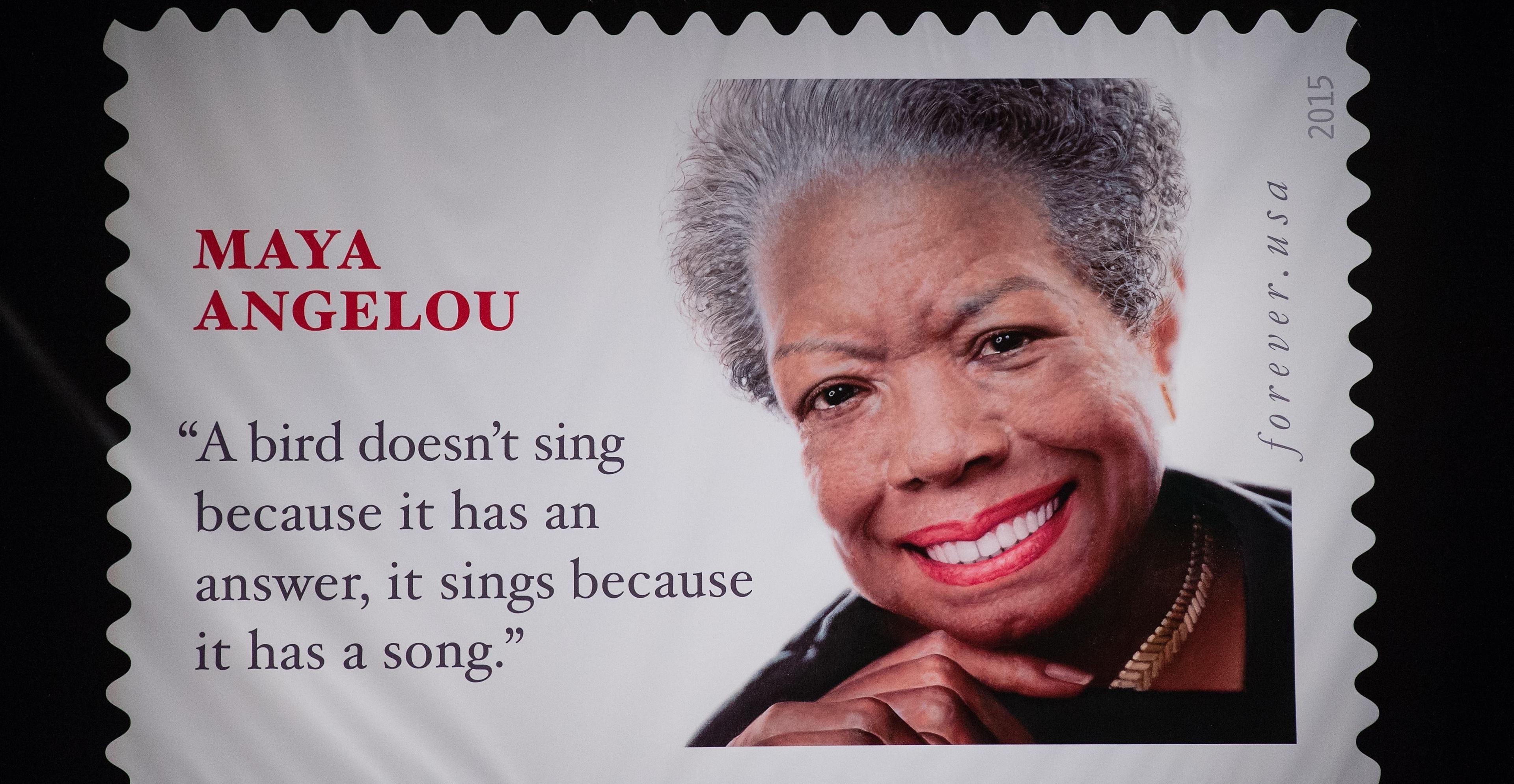
As weird as it is to imagine an AI speaking with Caine’s inimitable Cockney accent — and frankly, no AI can do Caine better than these two guys in The Trip — at least he made the active choice while alive to sign it away. But ElevenLabs has also struck estate deals that let users hear narration in the voices of historical figures, like Judy Garland, James Dean, Maya Angelou, and AI pioneer Alan Turing. (That’s right, the genius who once said that if computers became smarter than humans, “we should, as a species, feel greatly humbled,” will now be lending his posthumous voice to the machines.)
This is a long way from projecting a holographic Tupac Shakur for a “duet” with Snoop Dogg at Coachella in 2012. We’re generating new readings in the vocal style of someone who can’t consent today.
The incentives are obvious. Synthetic voices are cheaper than staging a hologram tour and more scalable than booking an A-list narrator. With a modest archive, you can generate hours of multilingual audio that sounds plausibly like the original. In the company’s defense, ElevenLabs says its marketplace routes everything through deceased figures’ rights holders to address ethics and misuse concerns. That means heirs get paid, and it’s better than a deepfake AI-for-all, but the core fact remains: Once a voice is an asset, the estate becomes a product manager for a digital ghost.
Send in the lawyers
This is where the Kafka lesson comes in. If you’re a famous person who wants control over posthumous AI content based on yourself — or really anyone who works in creative fields — get an estate lawyer to write those demands down now. Do you permit the creation of a synthetic voice after death? If so, for what? Are archival restorations and documentaries okay, but not ads, political content, or interactive chatbots? Who holds the kill switch: a literary executor, a family council, an independent trustee? If you don’t want your AI voice talking on ChatGPT 55.7 in 2060, don’t leave that decision to a board meeting taking place well after you’ve ended up on the Oscars “In Memoriam” segment.
Kafka’s fame is a standing argument that, sometimes, betraying an artist’s last wish serves the world. But if you, famous person, absolutely don’t want to leave the fate of your voice to chance, learn from the example of British fantasy novelist Terry Pratchett. Per his very specific wishes, a hard drive containing his unfinished books was ceremoniously flattened by a steamroller in 2017. Try reconstructing that.
A version of this story originally appeared in the Future Perfect newsletter. Sign up here!

Pakistan, IMF reach staff-level agreement for $1.2bn tranche
- 11 hours ago
Bollywood actor Nana Patekar passes away at 75
- 12 hours ago
The real reason the Russia plague case should scare you
- 21 hours ago

The Cornell case, explained
- 12 hours ago
Will Trump’s diesel order do anything?
- 12 hours ago

Pakistan on frontlines of climate chaos despite minimal emissions: UN chief
- 8 hours ago
Trump’s “Most EXCLUSIVE DINNER IN THE WORLD”
- 21 hours ago

Pakistan, Bahrain to enhance cooperation in diverse sectors
- 8 hours ago
OpenAI PR tells journalist to ‘move on’ while asking Sam Altman about a ChatGPT user’s suicide
- a day ago
The two athletes in every horse race
- 21 hours ago

I can’t use Apple’s new Screen Time on my daughter’s iPhone because my son won’t update his MacBook
- a day ago

Bahrain praises professionalism of Pakistan Armed Forces
- 6 hours ago
You May Like
Trending