
The Supreme Court announced on Monday that it will hear Watson v. Republican National Committee, a case claiming that, for many decades, states have been counting ballots that should have been tossed out entirely. The premise of the GOP’s argument in Watson …

Published a year ago on Nov 15th 2025, 7:00 am
By Web Desk
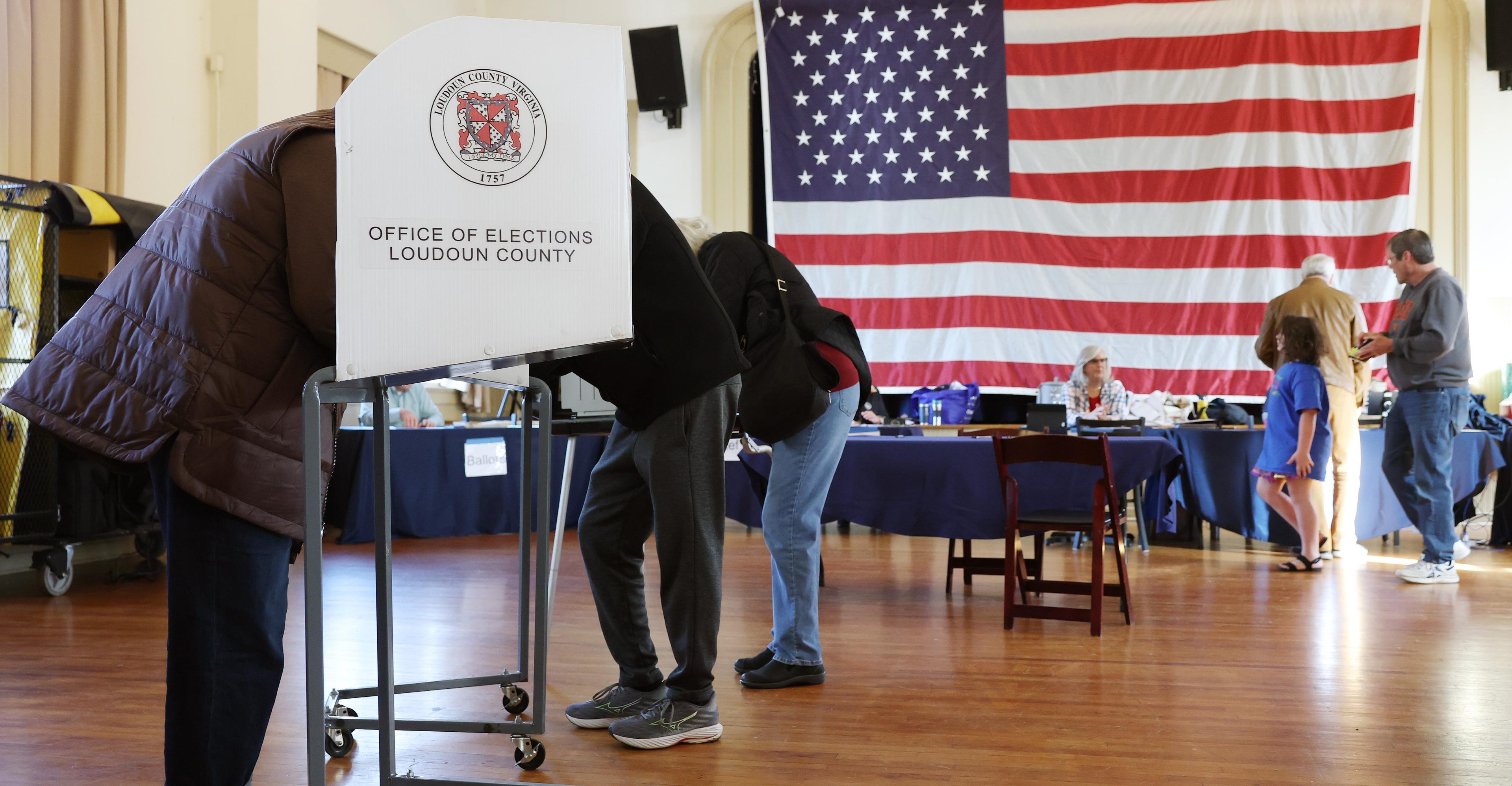
The Supreme Court announced on Monday that it will hear Watson v. Republican National Committee, a case claiming that, for many decades, states have been counting ballots that should have been tossed out entirely.
The premise of the GOP’s argument in Watson is that an 1872 law providing that federal elections shall take place on “the Tuesday next after the 1st Monday in November, in every even numbered year” requires late-arriving ballots to be tossed — and somehow no one noticed this restriction for more than 150 years. The GOP sued Mississippi, which is one of several states that count ballots that are mailed before Election Day, but that do not arrive until afterward.
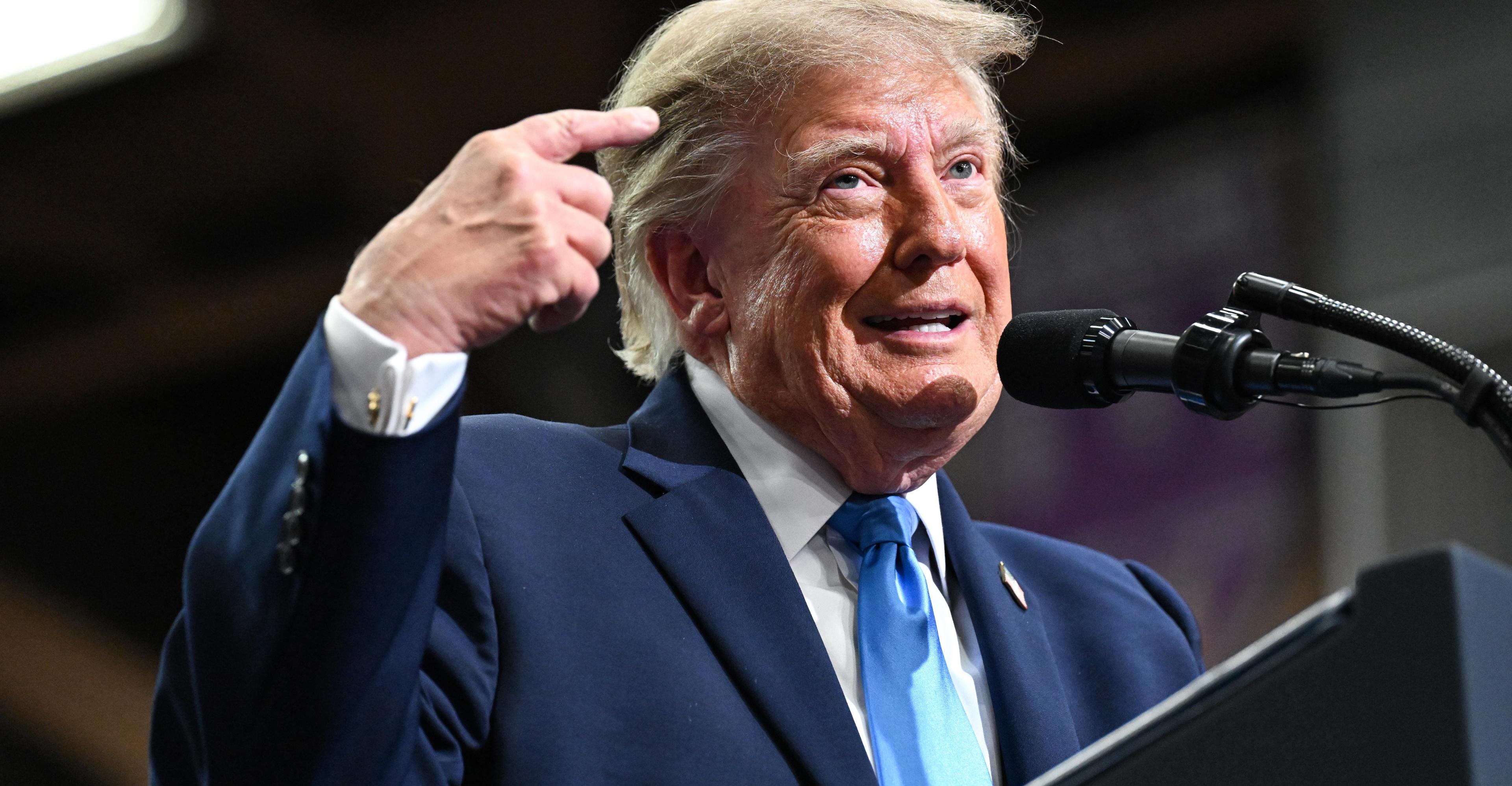
In recent elections, Democrats have been more likely to mail their ballots than Republicans, and President Donald Trump has tried to restrict mail voting in an apparent effort to make it harder for Democrats to vote.
The GOP’s argument is quite a stretch, and it is likely that it would have died in the lower courts if the case had not been assigned to an unusually partisan panel of judges on the United States Court of Appeals for the 5th Circuit. The opinion was authored by Judge Andrew Oldham, a Trump appointee who may be the single most reversed judge on any federal appeals court. The other judges on the panel, James Ho and Kyle Duncan, are also widely viewed as right-wing outliers even within an increasingly conservative judiciary.
Indeed, it is tough to find a legal argument in Oldham’s opinion claiming that the 1872 law requires late-arriving ballots to be tossed out. That opinion concludes that “receipt of the last ballot…constitutes consummation of the election, and it must occur on Election Day,” but it cites no legal authority that supports this conclusion.
In any event, Oldham’s 5th Circuit is several steps to the Supreme Court’s right in much the same way that the House Freedom Caucus is to the right of former Senate Republican Leader Mitch McConnell. Both tend to vote for outcomes that the Republican Party prefers, but the Supreme Court typically hands down a few decisions each year tossing out 5th Circuit decisions that were particularly poorly reasoned.
So, while the Court’s decision to take up the Watson case is a little troubling — if the justices sign onto the Republican National Committee’s verkakte legal theory, it would be a worrisome sign that the Court may try to rig future elections — that outcome is probably unlikely. Oldham’s, and the GOP’s, legal arguments are so weak that they are unlikely to receive more than three votes, even on this Supreme Court.

Bollywood actor Nana Patekar passes away at 75
- 11 گھنٹے قبل

Pakistan on frontlines of climate chaos despite minimal emissions: UN chief
- 7 گھنٹے قبل

Pakistan, IMF reach staff-level agreement for $1.2bn tranche
- 10 گھنٹے قبل

I can’t use Apple’s new Screen Time on my daughter’s iPhone because my son won’t update his MacBook
- ایک دن قبل

The Cornell case, explained
- 11 گھنٹے قبل

Bahrain praises professionalism of Pakistan Armed Forces
- 5 گھنٹے قبل

The real reason the Russia plague case should scare you
- 20 گھنٹے قبل
Trump’s “Most EXCLUSIVE DINNER IN THE WORLD”
- 20 گھنٹے قبل

OpenAI PR tells journalist to ‘move on’ while asking Sam Altman about a ChatGPT user’s suicide
- ایک دن قبل

Pakistan, Bahrain to enhance cooperation in diverse sectors
- 7 گھنٹے قبل

The two athletes in every horse race
- 20 گھنٹے قبل
Will Trump’s diesel order do anything?
- 11 گھنٹے قبل
You May Like

Trending