Naqvi backs new administrative units, says Punjab and Sindh identities will remain intact
Interior Minister said Pakistan had failed to achieve the desired results even after 79 years and that the country needed to “reset” its system

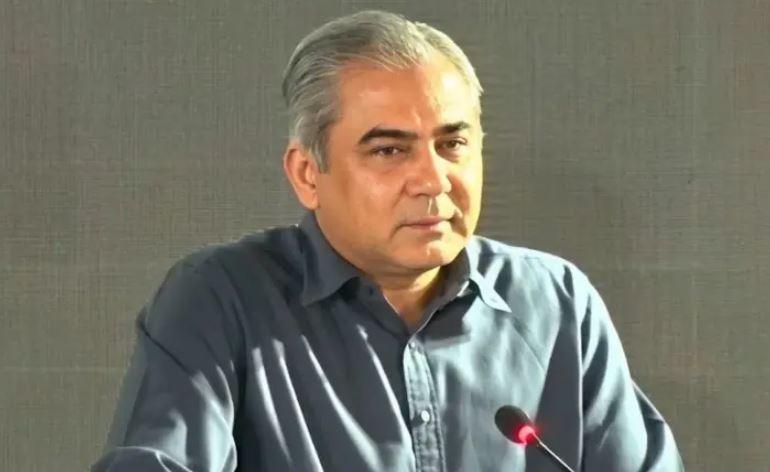
LAHORE -- Federal Interior Minister Mohsin Naqvi has said the creation of new administrative units in Punjab and Sindh would not undermine the cultural identities of Punjabis or Sindhis, arguing that such restructuring should be aimed at improving governance rather than dividing people along ethnic or communal lines.
Addressing a ceremony in Lahore, Naqvi said Pakistan had failed to achieve the desired results even after 79 years and that the country needed to “reset” its system.
He said the call for a reset had been interpreted in different ways, with some people linking it to the incumbent government and others associating it with the existing political arrangement. However, he clarified that the proposal was not aimed at any particular government or political party.
“Pakistan also needs to review its system,” he said, adding that the objective was not to replace a government or political party but to address weaknesses within the system.
Naqvi said numerous plans had been formulated over the past 79 years, but the public had yet to receive the results they expected. He stressed that basic facilities, including education, healthcare, clean drinking water and sanitation, should be available to every citizen.
He said improving the system and strengthening service delivery would help resolve people's problems.
#Live: Interior Minister @MohsinnaqviC42 is addressing National Policy Dialogue in Lahorehttps://t.co/jNLi4uTThi
— Radio Pakistan (@RadioPakistan) September 5, 2026
The interior minister maintained that everyone needed to accept the necessity of reforming the system. He said a reset did not mean abolishing anything, but rather improving existing arrangements.
“Any reset of the system must take place within the framework of the Constitution and the law,” he said, adding that changes should be made in accordance with the Constitution and through political consensus.
On the creation of new administrative units, Naqvi said the decision should not be made at the discretion of a political party or an individual. Instead, he said, the people should have the final say.
“If the people want new administrative units, they should be created. If they do not, they should not be created,” he said, stressing that the constitutional right of citizens to express their will on the issue must be recognised.
Drawing an analogy with the expansion of families, Naqvi said that a family that once lived in a single house could eventually require several houses as its size and needs increased.
“Similarly, as population and needs increase, the system and administrative structure must also change,” he said.
He said there was apprehension over the transfer of powers to the grassroots level, but such concerns needed to be addressed. According to him, authority could be devolved to lower levels while remaining within the constitutional framework, and no unlawful action would be permitted.
Naqvi also called for every Pakistani citizen to receive their due share under the National Finance Commission (NFC) Award. He pointed out that Islamabad's residents currently did not receive an NFC share and claimed that the capital's administration was being run by the Capital Development Authority (CDA) through the sale of its land.
He described Islamabad as the only city in Pakistan that, according to him, received no funds from any provincial or federal budget and argued that if new provinces were to be created, Islamabad should also be granted provincial status.
He urged political leaders and others to collectively raise their voices in support of the demand for provincial status for Islamabad.
Naqvi said he would not retreat from the issue of redrawing administrative boundaries, but cautioned against becoming emotional about the creation of new administrative units.
He said public opinion was more important than that of politicians on the matter and that there was no reason to fear decisions based on the people's wishes. He ruled out the creation of new administrative units without public approval.
Questioning whether a single bureaucrat could take decisions for a population of seven or 14 crore people, Naqvi said it was not possible to administer such a large population effectively from a single city.
He stressed that new administrative units should be created for better governance, rather than on the basis of ethnicity, race or community.

Character.AI files for bankruptcy
- 7 گھنٹے قبل

Tesla unveils next generation Roadster sports EV with SpaceX thrusters
- 19 گھنٹے قبل
Will November stop Trump’s agenda?
- 5 گھنٹے قبل
Pakistan warns India against any misadventure: FO
- 16 گھنٹے قبل

KFC picks Coca-Cola as US soda supplier, ditches longtime partner PepsiCo
- 20 گھنٹے قبل

Here are all the new HomePod Mini 2 colors
- 7 گھنٹے قبل
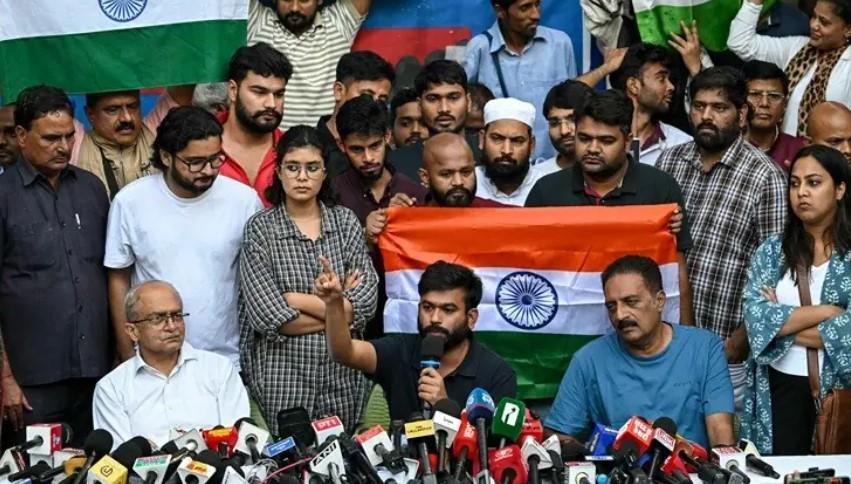
Indian police detain 'cockroach' movement founder Dipke ahead of protest
- 17 گھنٹے قبل

Florida’s uniquely horrifying death penalty system
- 5 گھنٹے قبل

Jodar apologises for swearing at ball kid in Shanghai
- 15 گھنٹے قبل
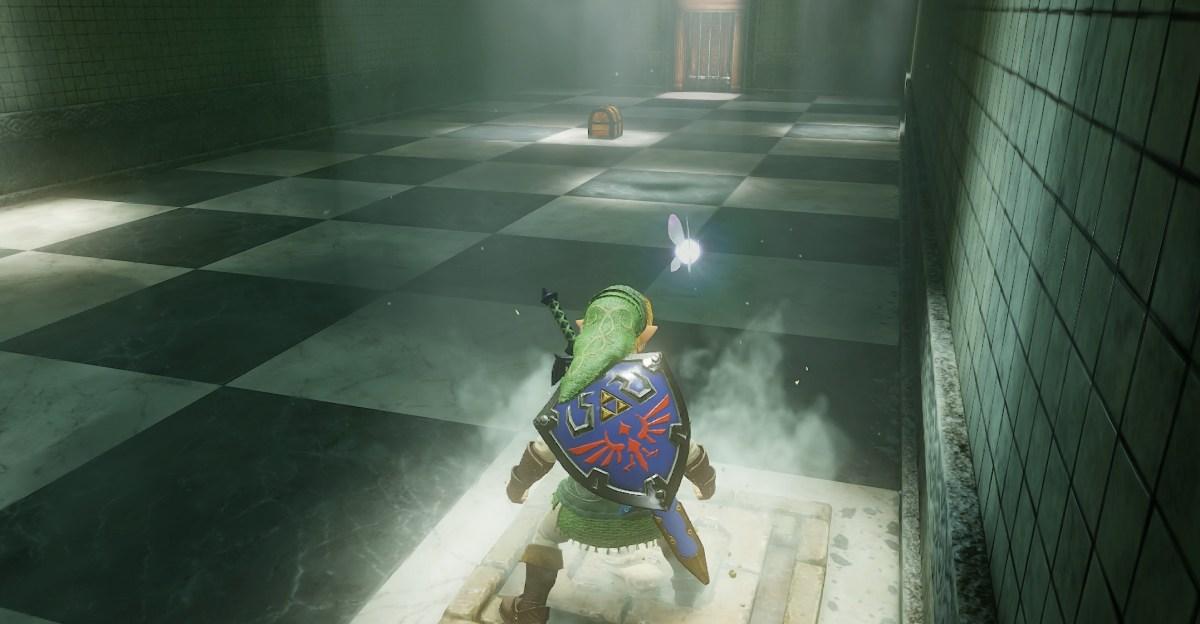
The Ocarina of Time remake feels remarkably modern — and surprisingly terrifying
- 7 گھنٹے قبل

Trump’s revenge campaign comes for Ilhan Omar
- 5 گھنٹے قبل
Cold weather and high prices could flip the Senate
- 5 گھنٹے قبل