“I call on all nations to help to enforce the complete economic isolation of Iran,” he said

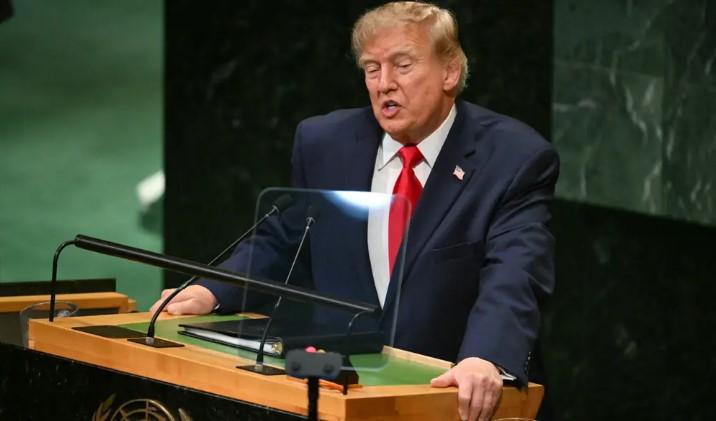
UNITED NATIONS (REUTERS) -- US President Donald Trump on Tuesday called for complete economic isolation of Iran, showing no intention to resume talks at the UN General Assembly but saying he believed a deal would be done after the US midterm elections in November.
Iran had earlier hinted at the prospect of reviving negotiations to end their almost seven-month-old conflict, with the presidents of both countries due at the UN in New York.
A senior Iranian official said Iran could reopen the Strait of Hormuz to Gulf shipping within seven days if the US fulfilled Tehran’s demands to ease military pressure and lift an American blockade on Iranian ports, adding that Tehran had conveyed its latest proposal to Washington via mediators last week.
But in a combative speech to the UN, Trump gave no sign of readiness to compromise.
“I call on all nations to help to enforce the complete economic isolation of Iran,” he said.
“I believe we’ll make a deal right after the election because it doesn’t make sense for them not to. They’re waiting to see how I do in the midterm election.”
Iran sees ‘golden opportunity’ to revive diplomacy
The senior Iranian official had earlier told Reuters that the US should “announce that it wants to resolve the issue diplomatically, make that official, and then agree on a timeline”.
“The UN General Assembly is a golden opportunity for the US to return to diplomacy,” the official said.
No face-to-face meetings between Iran and the United States are known to have taken place since July, when an agreement on an interim deal to end the war collapsed weeks after it was signed.
In a reminder of Iran’s firm position so far, Parliament Speaker Mohammad Baqer Qalibaf, who headed Iran’s negotiating team at previous talks, said Iran would never surrender: “Trump must understand that he cannot impose his power on the Iranian people and its armed forces.”
Trump was due to meet on Tuesday with leaders of the six Gulf Arab states: Bahrain, Kuwait, Qatar, Oman, Saudi Arabia and the United Arab Emirates.
All are keen to restore shipping through the Strait of Hormuz, the conduit for a fifth of global oil and gas shipments before the war, but wary of giving their longstanding rival Iran too much power.
All apart from Oman also host huge US military bases that have come under repeated Iranian attack throughout the war.
The biggest of them, Saudi Arabia, has been drawn deeper into the war this month, as Houthi fighters aligned to Iran have advanced in Yemen, routing forces of a Saudi-backed government and threatening Saudi oil exports through the Red Sea.
There was some relief on oil markets on Tuesday, after sources told Reuters that Saudi Arabia had restarted operations at its East-West Pipeline and could resume exports within hours, albeit at reduced volume, from the Red Sea port of Yanbu.
The pipeline, Saudi Arabia’s main alternative route for exports to bypass wartime disruption in the Strait of Hormuz, had been shut down after attacks this month that Riyadh blamed on Iranian allies in Iraq.
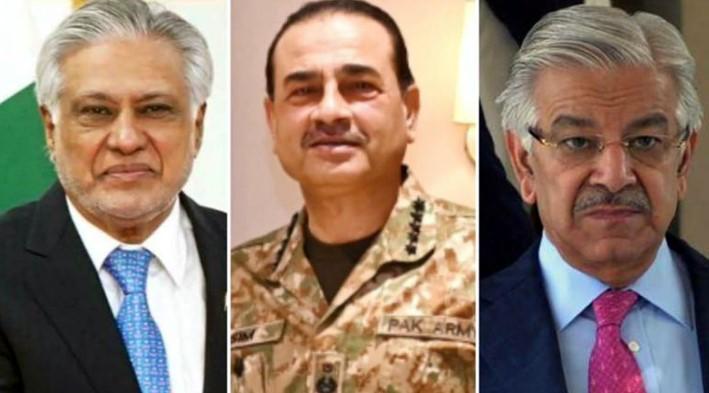
Pakistan's delegation to attend Makkah defence committee meeting in Riyadh today
- a day ago

Apple’s ‘HomePad’ will reportedly launch on October 13th
- 12 hours ago

OpenAI won’t go public until its models are safe
- 12 hours ago
UN Secretary-General Guterres to arrive in Pakistan tomorrow
- a day ago

What color is a tennis ball?
- 10 hours ago

The Sonos Ace Ultra are the headphones Sonos should have made the first time
- 12 hours ago
Pakistan’s economy projected to grow 4pc this year: FinMin Aurangzeb
- an hour ago
US withdraws all bomber aircraft from UK airbase used during Iran war
- 20 hours ago

The best early October Prime Day deals happening now
- 12 hours ago

Medvedev disqualified from China Open semi after hitting ball into crowd
- 20 hours ago
How did the Cornell rape case go so wrong?
- 2 days ago
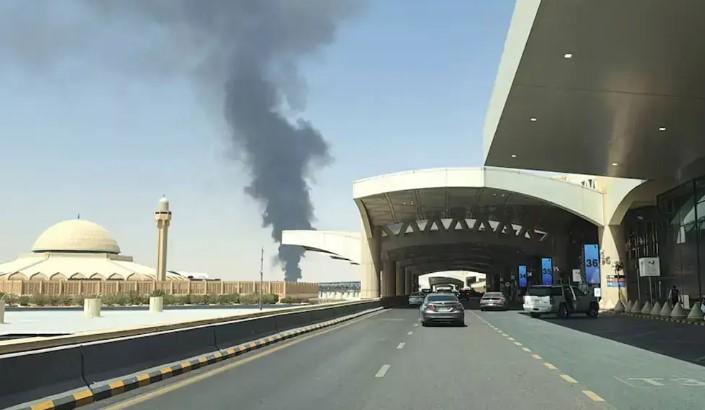
Two Saudi airports targeted on Monday as fighting with Yemen's Houthis escalates
- an hour ago