Opposition activists protest against rising living costs, at the entrance of the president's office in Colombo.

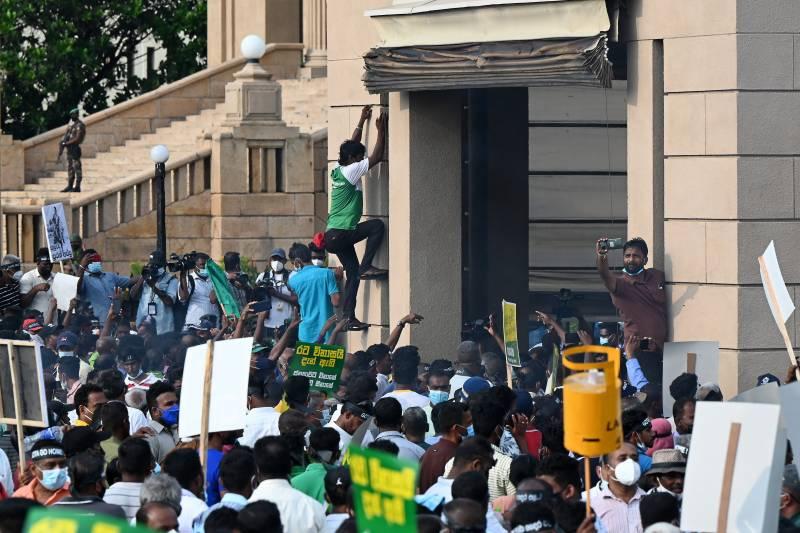
A huge crowd tried to storm the Sri Lankan president's seaside office Tuesday as anger flared over runaway prices brought about by the worst financial crisis in the island's modern history.
The cost of food, medicine and other essential goods have risen dramatically across the South Asian nation, with long queues outside petrol stations and rolling blackouts now the norm.
A critical foreign currency shortage has left traders unable to pay for imports, and President Gotabaya Rajapaksa spoke with a visiting International Monetary Fund delegation to discuss solutions to the worsening economic situation.
Shortly after the meeting, several busy streets in Colombo were blocked by protesters, who poured into the centre of the capital despite weeks of severe disruptions to public transport caused by fuel shortages.
A crowd marshalled by the main opposition party, the SJB, surrounded the Presidential Secretariat and clashed with heavily armed police, who pushed back efforts to barge into the building.
"These people have come here to tell the president to go home if he can't solve the unprecedented economic problems faced by ordinary people," said SJB lawmaker Harin Fernando, as the crowd chanted calls for Rajapaksa's resignation.
The coronavirus pandemic wrought havoc on Sri Lanka's economy and crippled earnings from the island's tourism sector -- a key foreign exchange earner.
International rating agencies have downgraded Sri Lanka, effectively blocking its access to commercial borrowings, and raised doubts about the government's ability to service its $51 billion external debt.
Fuel costs have risen by nearly 80 percent since early February while food prices rose by a quarter according to January figures.
Sri Lanka last week allowed the rupee to float, a move that saw the currency nosedive 25 percent against the dollar and triggered a fresh wave of price increases.
It followed calls by the IMF for a currency devaluation and higher taxes to revive the economy.
In a brief statement on Monday, the IMF said it had not been asked for a bailout, but was "ready to discuss options if requested".
Source: AFP

OpenAI’s new agent is a shot at Meta — but can it compete with free?
- 3 days ago
How did the Cornell rape case go so wrong?
- 2 days ago
ROMO OUT AT CBS AFTER DUI...
- 2 days ago
Civilian deaths: Pakistan lodges strong protest with India over border firing incident
- 2 days ago

The secret to using AI without getting dumber
- 2 days ago
Gold prices plummet in Pakistan, global markets
- 2 days ago
UN Secretary-General Guterres to arrive in Pakistan tomorrow
- 10 hours ago
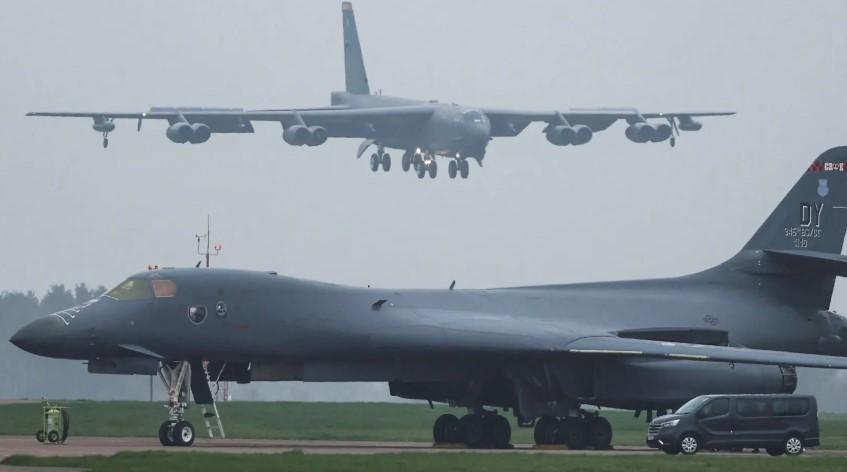
US withdraws all bomber aircraft from UK airbase used during Iran war
- 5 hours ago
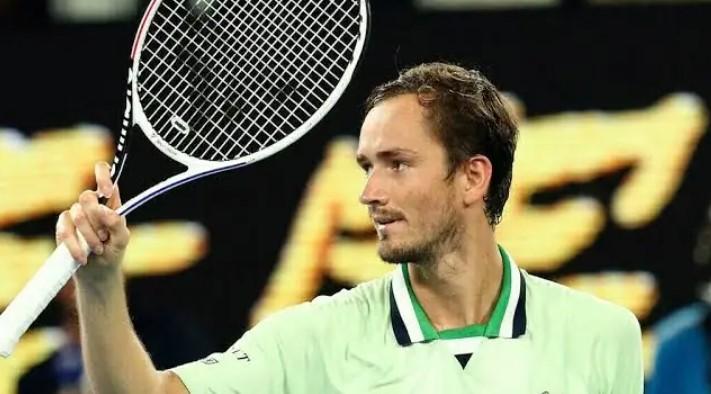
Medvedev disqualified from China Open semi after hitting ball into crowd
- 6 hours ago
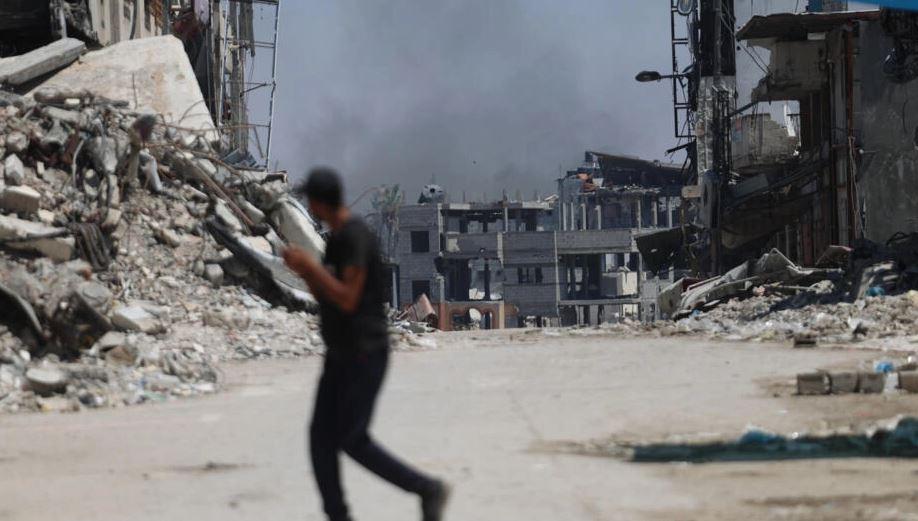
Israeli strike kills five, including four women, in Gaza, health officials say
- 2 days ago
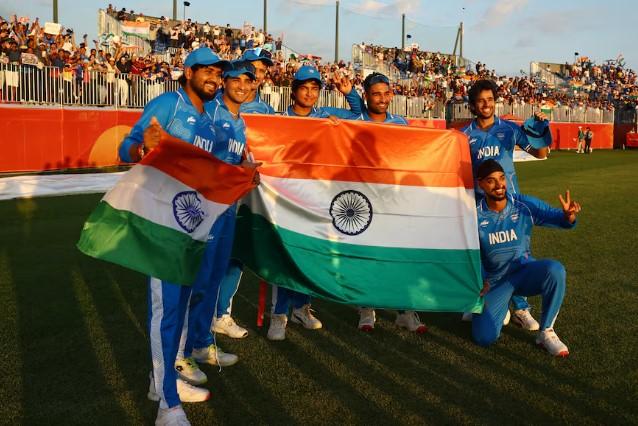
India beat Pakistan in final to complete cricket double
- 2 days ago
Pakistan's delegation to attend Makkah defence committee meeting in Riyadh today
- 12 hours ago