
Junk food may be convenient and tastes good, but it does not provide any significant health benefits.

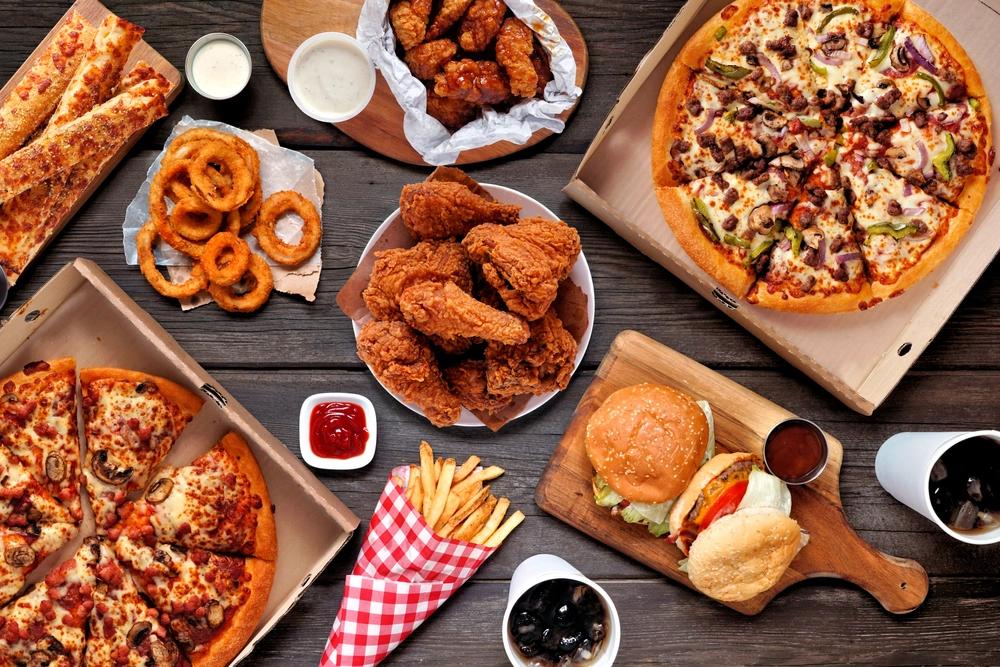
Junk food, also known as fast food or processed food, is high in calories and unhealthy fats, has become a staple in our daily diets.
We consume it on the go, at home, at work, and even at social events. Nowadays, convenience has become our top priority, and junk food offers just that, quick and easy access to food that requires minimal effort. However, this convenience comes with a price, and it is a price that we are all paying, whether we realize it or not.
The fast food is low in essential nutrients like vitamins, minerals, and fiber and without any doubt it is widely recognized that it does not possess any significant health benefits.
Junk food is high in empty calories, meaning it provides our bodies with energy but no nutritional value. This lack of nutrients leads to a host of health problems such as obesity, heart disease, high blood pressure, and type-2 diabetes.
In fact, research has shown that consuming junk food regularly can shorten our lifespan.
Regular consumption of junk food can lead to serious health problems, including obesity, heart disease, diabetes, and other chronic conditions.
The high consumption of junk food can also increase the risk of developing heart disease. This is because junk food is often high in saturated and trans-fats, which can raise cholesterol levels and increase the risk of heart disease.
Type-2 diabetes is also a common risk associated with consuming too much junk food. This is because junk food is often high in sugar and processed carbohydrates, which can lead to spikes in blood sugar levels and increase the risk of developing type-2 diabetes.
The processed food can lead to a number of serious health problems and should be consumed in moderation or avoided altogether.
To maintain a healthy diet, it's important to eat a variety of nutrient-dense foods, such as fruits, vegetables, whole grains, lean protein, and healthy fats.
It is, however, important to focus on the benefits of eating a healthy, balanced diet that includes a variety of nutritious foods, such as fruits, vegetables, whole grains, and lean proteins. These foods provide essential vitamins, minerals, and other nutrients that are important for maintaining overall health and well-being.
Eating a healthy diet can have several other benefits including:
Increased Energy:
Healthy foods provide sustained energy throughout the day, without the sugar crashes and other negative side effects associated with junk food.
Improved Mood:
Eating a nutritious diet has been linked to improved mood and reduced risk of depression and anxiety.
Better Physical Health:
A healthy diet can reduce the risk of chronic health problems, such as heart disease, stroke, and certain types of cancer.
Better Mental Health:
A nutritious diet can also improve cognitive function and reduce the risk of cognitive decline and dementia.
Weight Management:
Eating a healthy, balanced diet can help with weight management and reduce the risk of obesity.

The unlikely cause bringing liberals and conservatives together
- 20 hours ago

Another roof collapse incident in Lahore leaves child dead, four people injured
- 11 hours ago

PRA collects record Rs368bn revenue in FY26
- 5 hours ago

Meta is adding ridiculous ‘rate limits’ and a soft paywall to its smart glasses
- 13 hours ago

A fringe attack on voting rights just got four votes on the Supreme Court
- 20 hours ago

PIA's first direct flight from Lahore to Manchester takes off after five years
- 10 hours ago

Cleared by the US, derailed by the UK: Getty’s Shutterstock merger falls apart
- 13 hours ago
Why is everyone suddenly obsessed with toxins?
- 20 hours ago

After consecutive decline, gold prices witness surge in Pakistan
- 11 hours ago

Netflix is using an AI-generated Gene Wilder voice in its Willy Wonka reality show
- 13 hours ago

Suno launches Spark incubator program to feed independent artists to its AI machine
- a day ago

Preparations pick up in New York ahead of Taylor Swift and Travis Kelce's rumoured wedding
- 10 hours ago
.jpg&w=3840&q=75)












.jpeg&w=3840&q=75)