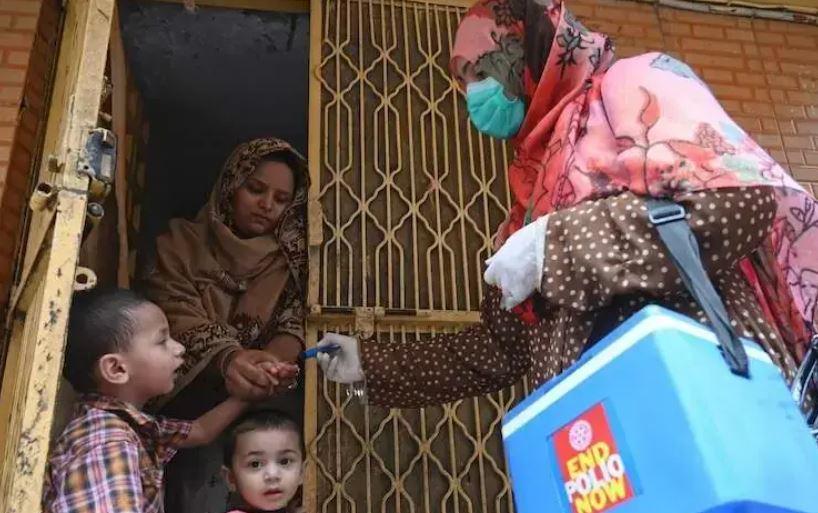
It is no wonder that an outbreak of the Andes strain of hantavirus on a luxury liner in the Atlantic has revived some Covid-era trauma and panic online

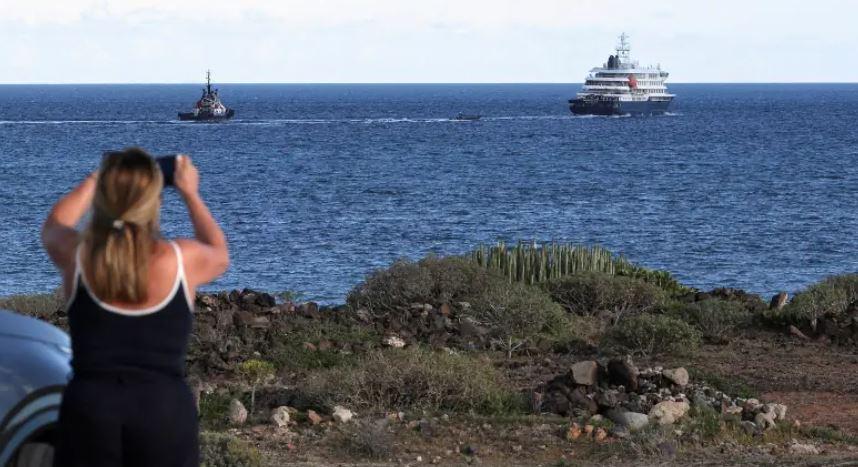
Reuters: A rodent-borne virus with a scary name. A mid-ocean cruise ship in quarantine. Several people dead and more falling sick.
It is no wonder that an outbreak of the Andes strain of hantavirus on a luxury liner in the Atlantic has revived some Covid-era trauma and panic online.
That has presented a dilemma to health officials: how to communicate quickly and clearly about a virus which is not new and unlikely to cause a pandemic, but where knowledge gaps remain — without inadvertently fomenting fear.
“Hantavirus thread incoming,” posted the health department of Illinois state in the US earlier this week about a risk-free case unrelated to the MV Hondius cruise ship outbreak.
“But you have to promise to read this whole thread before panic-texting your group chat. Deal?”
In interviews with Reuters, half a dozen health officials said they were trying to learn from mistakes around Covid, providing information on hantavirus with more empathy while addressing uncertainties and tackling falsehoods.
“We spend half of our time discussing how we will communicate,” said Gianfranco Spiteri, emergencies lead at the EU’s European Centre for Disease Prevention and Control.
During Covid, many governments were slow to react or in denial, public messaging was sometimes confusing and contradictory, restrictions and vaccine rollouts were applied differently around the world, and misinformation and politicisation proliferated.
That helped fuel modern mistrust of institutions.
For example, faith in public health institutions declined in 20 of 27 EU countries between 2020 and 2022, one study showed.
Juggling the communications
Spiteri and others at the forefront of the hantavirus response spoke about the need to balance explanations of why it is a serious global health event with reassurances that risks to the public are low, and honesty over the open questions about a virus that has rarely spread among humans before.
“There are people who say we are overdoing it, and on the other extreme, that were not doing enough,” he said. “We always base our messages on the evidence we have.”
From a look at social media, their efforts are still a work in progress, with many people needlessly fretting about a return to lockdowns, social distancing and masks.
“We have kind of lost perspective,” said Gustavo Palacios, a professor at Icahn School of Medicine at Mount Sinai in the US who is originally from Argentina and a hantavirus expert.
An outbreak can be a major public health event deserving attention and action, but without becoming a pandemic, he noted.
Some posts online falsely present hantavirus as a bigger existential threat than Covid, or promote protections like the ivermectin anti-parasite drug, vitamin D and zinc without scientific evidence. False conspiracy theories are popping up too — that it is a side effect of the Pfizer vaccine or a hoax to boost pharmaceutical profits.
Sander van der Linden, a psychology professor at England’s University of Cambridge and misinformation expert, said the public needed more support in how to interpret information, including potentially showing them conspiracy theories they may face in the event of an outbreak.
“We need to do more preparatory work to create resilience in the population,” he said.
As of Thursday, there had been three deaths from 11 reported hantavirus cases in the outbreak, all people who had been on board the Hondius. Dozens of other passengers are being monitored as they return to around 20 countries.
Unlike Covid, there are established measures to control hantavirus’ spread, officials said. The strain has circulated in parts of Argentina and Chile for decades and the ship samples show no meaningful variation from that virus.
“I’m definitely seeing improvements,” said Gabby Stern, former head of communications at the World Health Organisation (WHO) until September last year, referring particularly to sharing what you know when you know it.
“It seems like the public health community has absorbed crucial lessons, although not all of them.”

FinMin Aurangzeb, WB discuss Pakistan's economic reform agenda
- 14 hours ago

10 terrorists, including one female, killed in Gwadar: ISPR
- 17 hours ago

The Cornell rape case has surfaced a hidden divide among progressives
- a day ago

US military bans BYD vehicles from strategic air base in Japan
- 19 hours ago

Colleges can do more to prevent sexual assault. Here’s where to start.
- 4 hours ago

JustWatch now streams TV shows and movies, too
- 6 hours ago

PM Shehbaz sets illustrative wheat price at Rs4,500 per 40kg for 2027
- 13 hours ago

Field Marshal Munir vows total defeat of terrorists with public support
- 20 hours ago

How to ban gerrymandering when the Supreme Court is stacked against you
- 4 hours ago
Russia released a US prisoner. What did they get out of it?
- a day ago

SpaceX will try catching Starship and its booster for first time, Musk says
- 6 hours ago

What Christina Applegate’s misdiagnosis reveals about MS
- a day ago