CropLife Pakistan welcomes approval of the National Agricultural Biotechnology Policy, calls for immediate commercialisation of GM maize and rejects misinformation over biosafety and global adoption

.jpeg&w=3840&q=75)
By Wasif Mahmood
The Executive Director of CropLife Pakistan Association, Rashid Ahmed, expressed sincere appreciation to the Prime Minister and the Federal Cabinet for approving Pakistan’s first National Agricultural Biotechnology Policy and National Seed Policy 2026.
He said these important decisions demonstrate the Government’s commitment to improving food security, increasing agricultural productivity, supporting farmers, encouraging innovation, and strengthening Pakistan’s seed and biotechnology sector. The approval of these policies in April 2026 is an important milestone for Pakistan’s agriculture sector.
Developed after nearly two years of rigorous, inclusive consultation— including over 30 sessions with government ministries, regulatory bodies, scientists, provincial representatives, private sector stakeholders, and other key partners—the National Agricultural Biotechnology Policy provides Pakistan a clear path to responsible adoption of modern agricultural technologies including biotechnology, improved seed systems, and research-based innovation.
Rashid Ahmed expressed concern over recent misleading claims in the media and requested all stakeholders to rely on verified data and factual evidence as opposed to unsubstantiated claims. He expressly rejected inaccurate claims regarding biosafety work on GM maize.
Some CropLife member companies were granted licenses to begin GM maize trialsin 2009, following which multi-year trials for insect protection and herbicide tolerancewere conducted in different regions with approvals from the Technical AdvisoryCommittee and the National Biosafety Committee under the Pakistan BiosafetyRules and Guidelines 2005.
All statutory requirements were fulfilled, and the trial data was reviewed by the FieldMonitoring Committee, TAC, TAC Subcommittee, and NBC. Following this,companies were granted commercialization approval in 2016/17. However, due tothe absence of a comprehensive biotechnology policy being in place at the time,these commercialization licenses expired after the standard three-year period – theywere not suspended, nor cancelled on the basis of any safety concerns, as iscurrently being incorrectly framed in the media.
The approval of the National Agricultural Biotechnology Policy now provides a clear basis to move forward with GM crop commercialization, including yellow maize as an immediate-release crop. Another claim being made incorrectly is that China has not adopted GM maize. He clarified that China is proceeding through a regulated and phased GM maize approval process. China’s Ministry of Agriculture and Rural Affairs has granted biosafety certificates, variety registrations, and seed production and operation licenses for several GM maize and soybean varieties.
These approvals include varieties and technologies developed by leading companies of China, which developed the maize trait for glyphosate tolerance and resistance to selected insectpests.Mr. Rashid Ahmed also clarified that India has not rejected GM maize technology.India’s Genetic Engineering Appraisal Committee has allowed MNC to conduct confined field trials of selected GM maize events that provide herbicide toleranceand insect resistance.
He added that Pakistan started regulatory trials for GM maize in 2009, when only the Philippines had adopted GM maize in Asia. Unfortunately, in the years since, countries such as China, Indonesia, and Vietnam have also moved forward, while Pakistan is still waiting to commercialize the technology.
Responding to concerns about contamination risk, Mr. Rashid said that the majorityof maize grain in Pakistan is used by the poultry and animal feed industries; theseindustries already utilize imported GM soybean and GM canola as feed ingredients. Therefore, far from posing any new risk, GM maize grain production would enter afeed market that is already familiar with, and reliant on, GM products. He added that maize seed producers in Pakistan already follow isolation-distanceand quality-control protocols to maintain seed purity, and similar stewardshipmeasures can be applied for the responsible adoption of GM maize hybrids.
Pakistan earns around $350–400 million from maize exports, including grain,forage, and fodder. This export value can increase if farmers adopt better maizetechnologies, including GM maize hybrids, that can improve crop quality and production. Referring to local wet millers' role in maize exports, he said they contribute only about less than 9% of Pakistan’s total maize exports, while the remaining export share comes from other market players.
He also discussed a common myth regarding EU as Non-GM, which is totally misleading. The EU is the second largest importer of GM grain for Food Feed and Processing. Years of uncertainty, driven by misinformation and vested interests, have weakenedconfidence in Pakistan’s policies and regulatory system. Technology developerscannot keep waiting indefinitely.
If GM maize commercialization licenses are notrenewed now, Pakistan will fall further behind in agricultural innovation, investmentwill move elsewhere, and the real losers will be Pakistan’s farmers—deprived ofurgently-needed technology that can improve productivity, income, and livelihoods.

Reverse-engineered games: All the news on video game decomps, recomps, VR and web and 3D ports
- 4 hours ago

What you should know about the Russian “plague lab”
- 2 hours ago

Pakistan successfully test-launches Fatah-4 cruise missile
- 12 hours ago

OpenAI’s Dot agent is enterprise software that can also order your dinner
- 4 hours ago

How both parties have changed since 2024
- 2 hours ago

Trump’s plan to buy votes, briefly explained
- 2 hours ago

Apple’s new M6 Mac Mini is over $100 off
- 4 hours ago
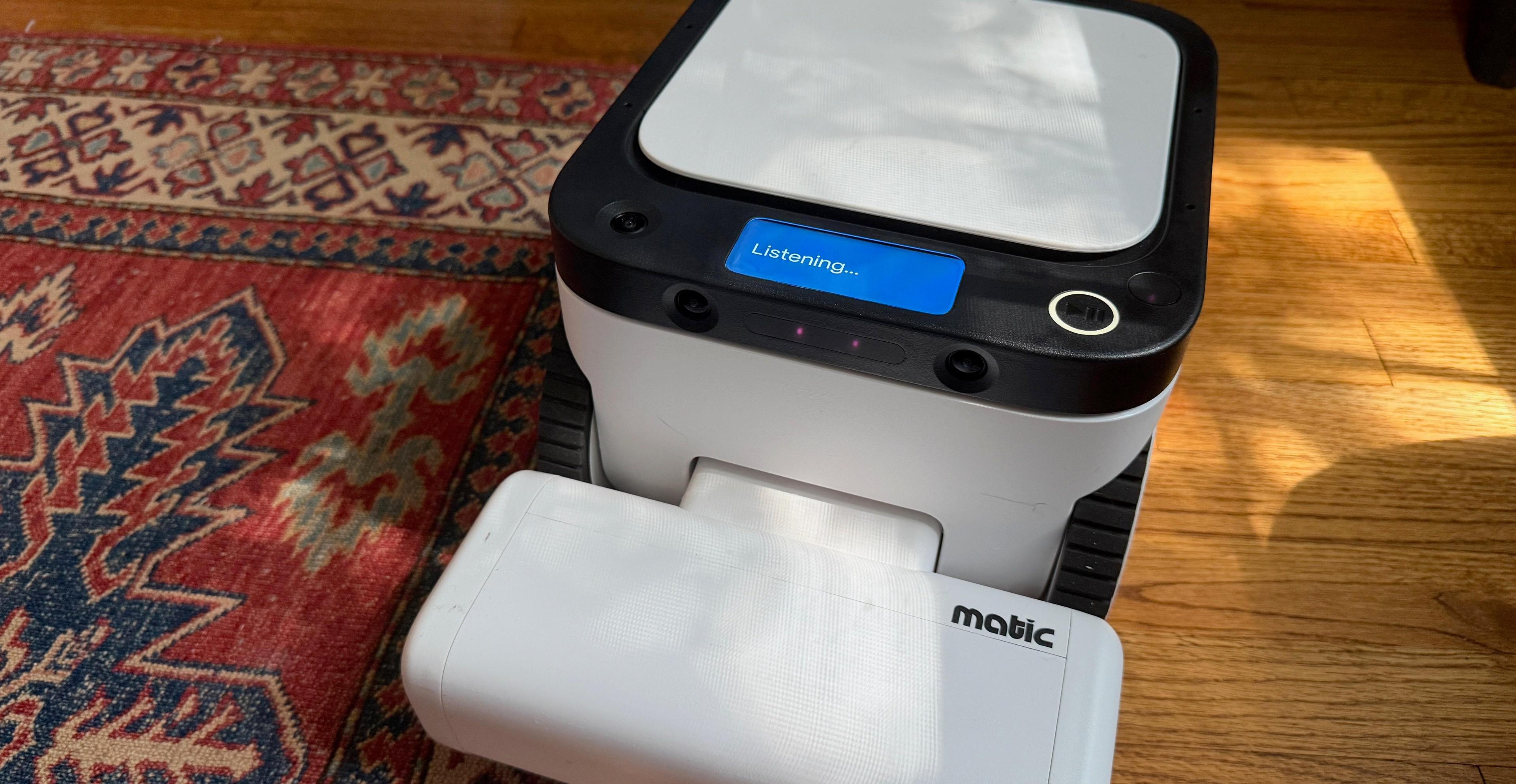
The Matic is the first robovac to get an FCC ban waiver, not that it needs it
- 4 hours ago

Dots get up in Muse’s business
- 4 hours ago
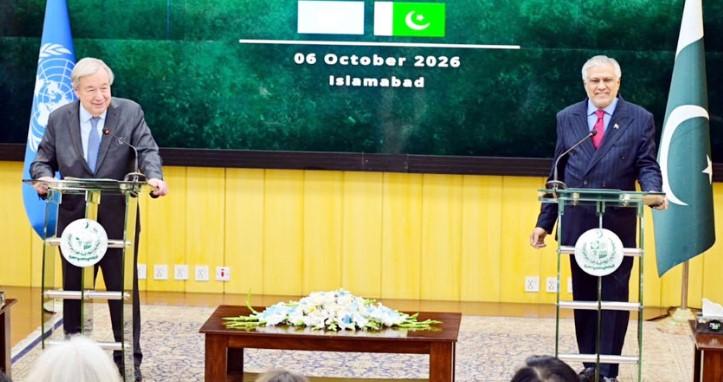
UN chief lauds Pakistan’s efforts to promote dialogue, mediation
- 12 hours ago
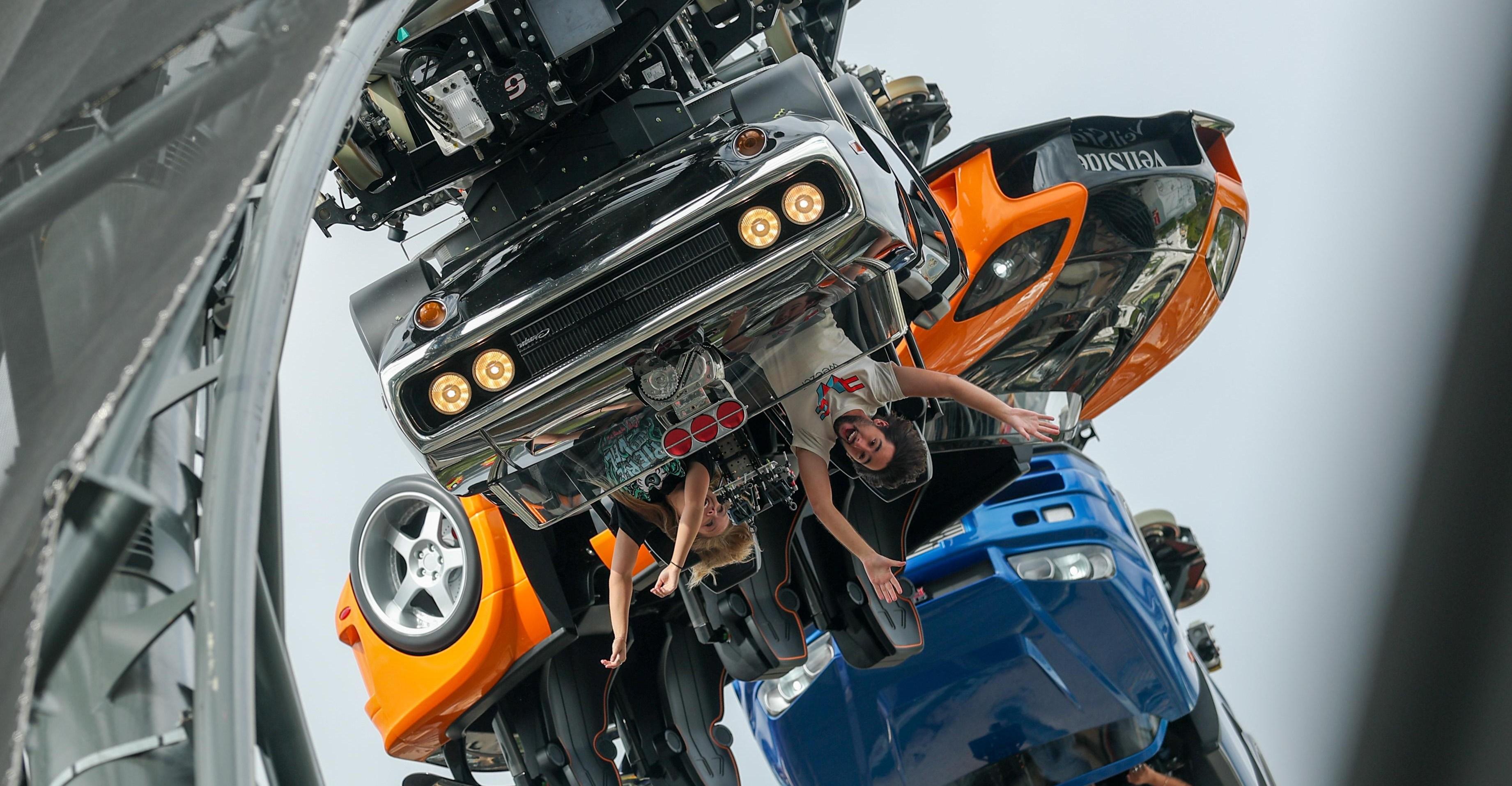
Noise from Universal’s latest ride made rich locals furious, fast
- 4 hours ago

Amazon’s delivery driver smart glasses will reportedly take photos ‘almost constantly’
- 4 hours ago