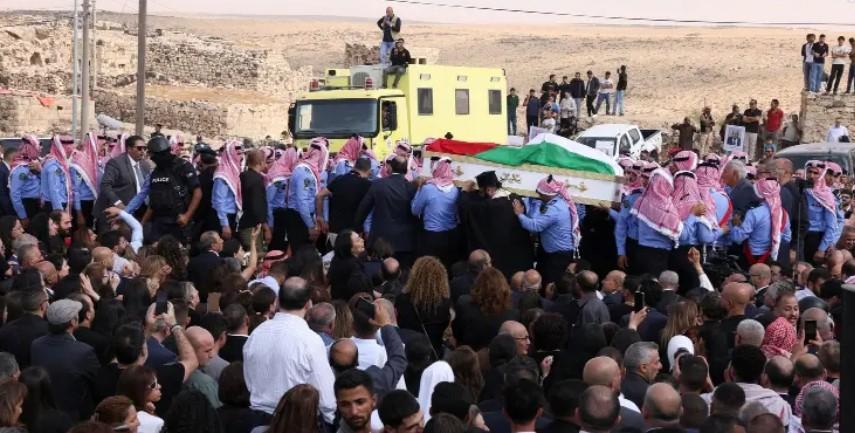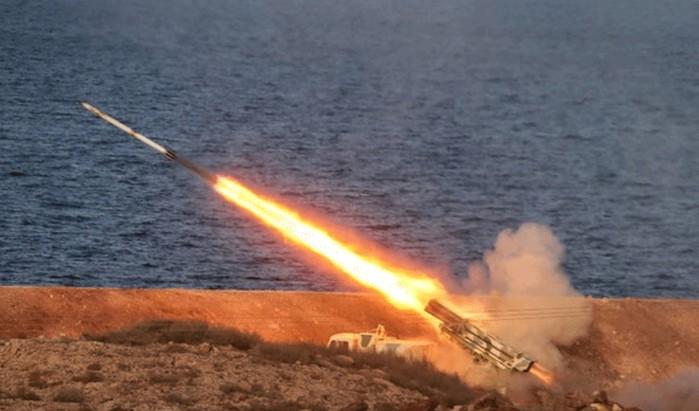
Vladimir Putin's comments came as the military said that some troops were withdrawing from the border near Ukraine


Vladimir Putin has said that "of course" Russia does not want war in Europe, but that his security concerns must be addressed and taken seriously.
The Russian president's comments came as the military said that some troops were withdrawing from the border near Ukraine - the first sign from Moscow of a possible de-escalation of tensions.
However Western leaders say there is no evidence of the withdrawal yet. Russia's sudden military build-up prompted fears it would invade Ukraine.
Mr Putin has always denied he is planning an incursion, but tensions have been rising since November, when Russian troops started massing near the border with Ukraine.
Russia has deep cultural and historic ties with Ukraine, which is a former Soviet republic. Mr Putin wants assurances that it will not join the Western Nato military alliance because he sees any expansion of it as a threat to Russia. Nato has rejected that demand.
Clash over 'genocide'
Mr Putin was speaking in Moscow following a four-hour meeting with Germany's Chancellor, Olaf Scholz, who is the latest Western leader to visit the region to try to de-escalate tensions.
When asked about the prospect of war, Mr Putin told reporters: "Do we want this or not? Of course, not. That is exactly why we put forward proposals for a process of negotiations."
But the two men clashed when Mr Putin said there was a precedent for war in Europe - the conflict in the former Yugoslavia in the 1990s - which he said was waged by Nato against Serbia without UN Security Council approval.
Mr Scholz said the situation was different because there was a danger of genocide by Serbs against non-Serbs, to which Mr Putin said what was happening in eastern Ukraine's Donbas region - where Russia is backing separatists was also a genocide, against ethnic Russians.
The German chancellor later told reporters that Mr Putin was wrong to use the word genocide in this case.
Mr Putin also said that Nato had so far failed to address Russia's "basic" security concerns. He is demanding that the issue of Ukraine joining Nato be addressed now - even through Ukraine is a long way from even starting an application to join the alliance.
Mr Scholz said the build up of troops was "incomprehensible", but there was still a chance that diplomatic solutions could ease the tensions.
" I expressed that the troop build up is seen as a threat," Mr Scholz said at the media briefing. "Of course we are very concerned, there are more than a 100,000 Russian troops on the border with Ukraine, and we find this incomprehensible."
The leaders were speaking hours after Russia's military announced that some of its troops had pulled back from the border with Ukraine.
Nato said the Russian announcement gave cause for "cautious optimism", but so far there has been no evidence of the de-escalation on the ground.
British Prime Minister Boris Johnson tweeted that there were "mixed signals" coming from Russia, because UK intelligence shows Russian field hospitals are being built near the border which "can only be construed as a preparation for an invasion".
SOURCE: BBC NEWS
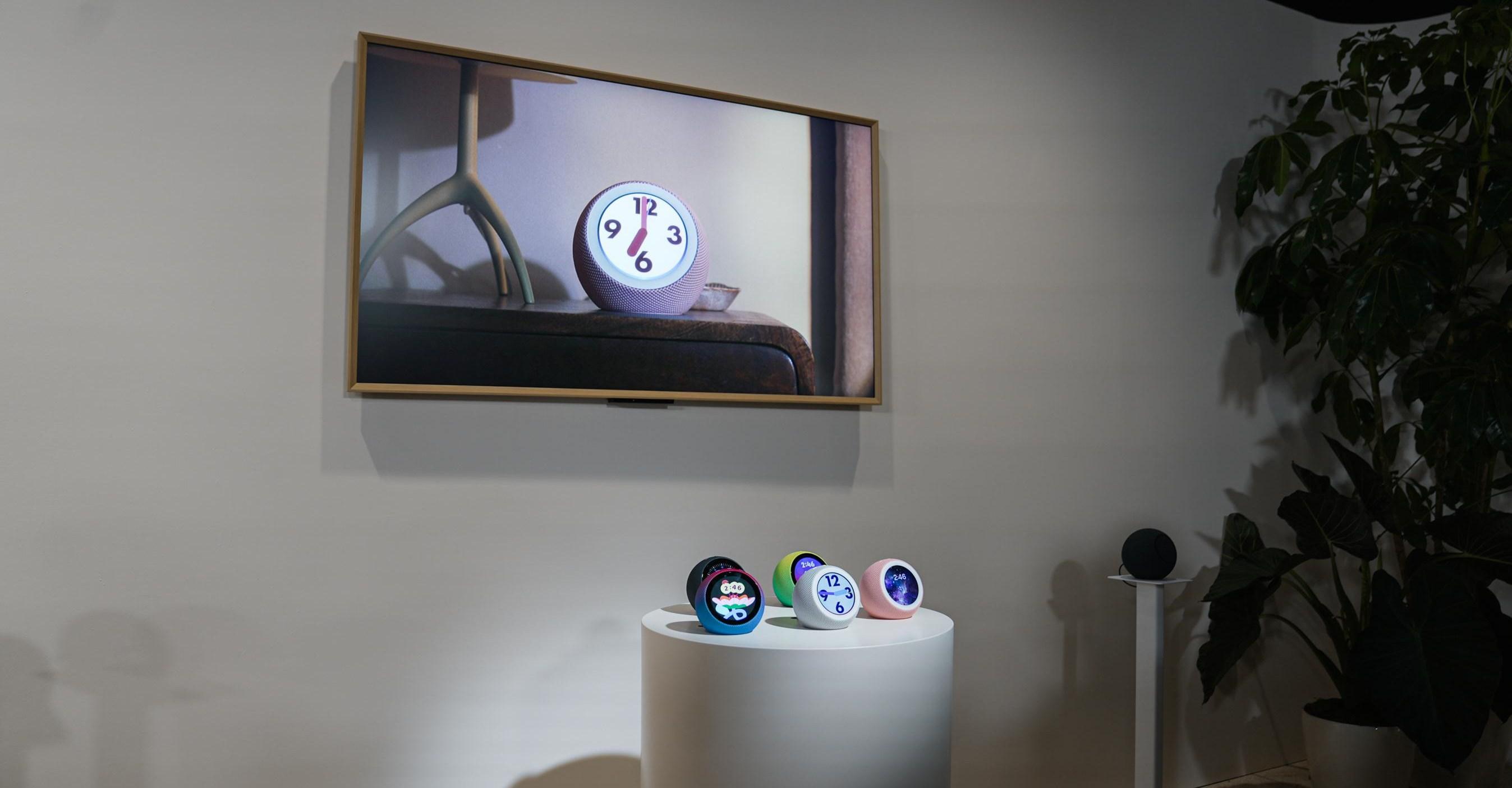
Spending time with the Echo Time — a smart clock that senses you sleeping
- 15 hours ago
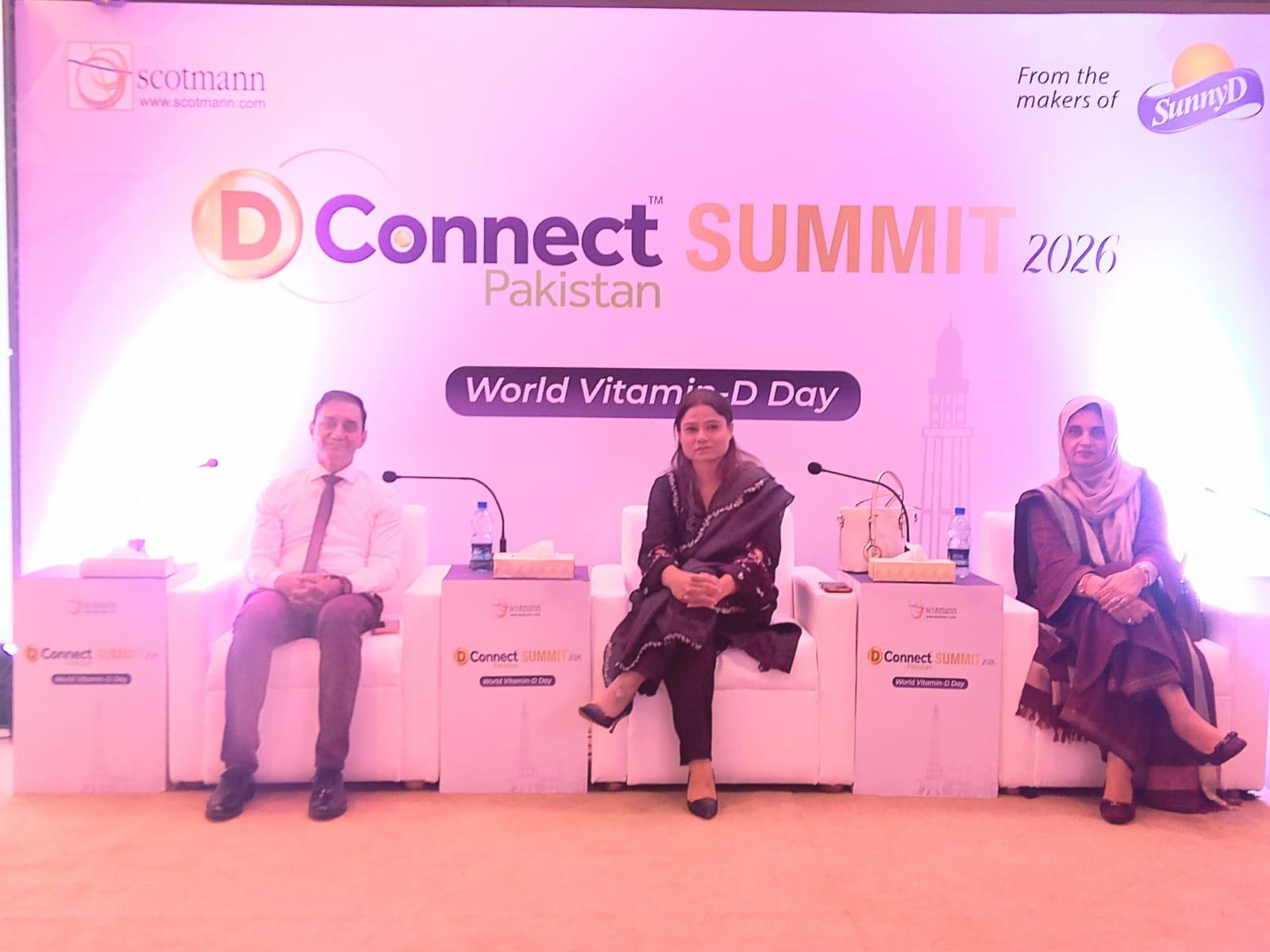
Experts highlight Pakistan’s growing vitamin D crisis at Lahore summit
- a day ago
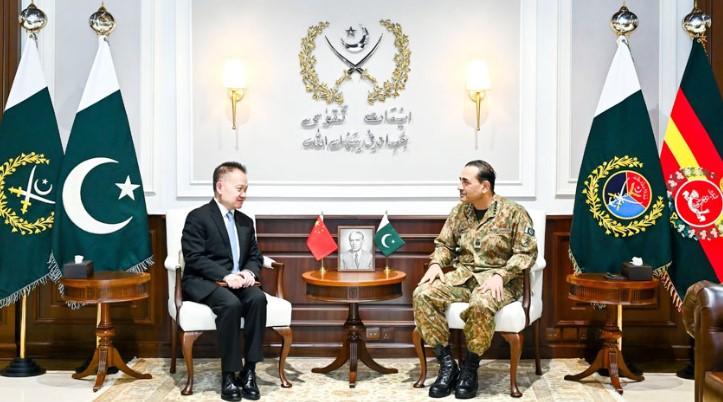
COAS Asim Munir calls for stronger Pakistan-China ties
- a day ago
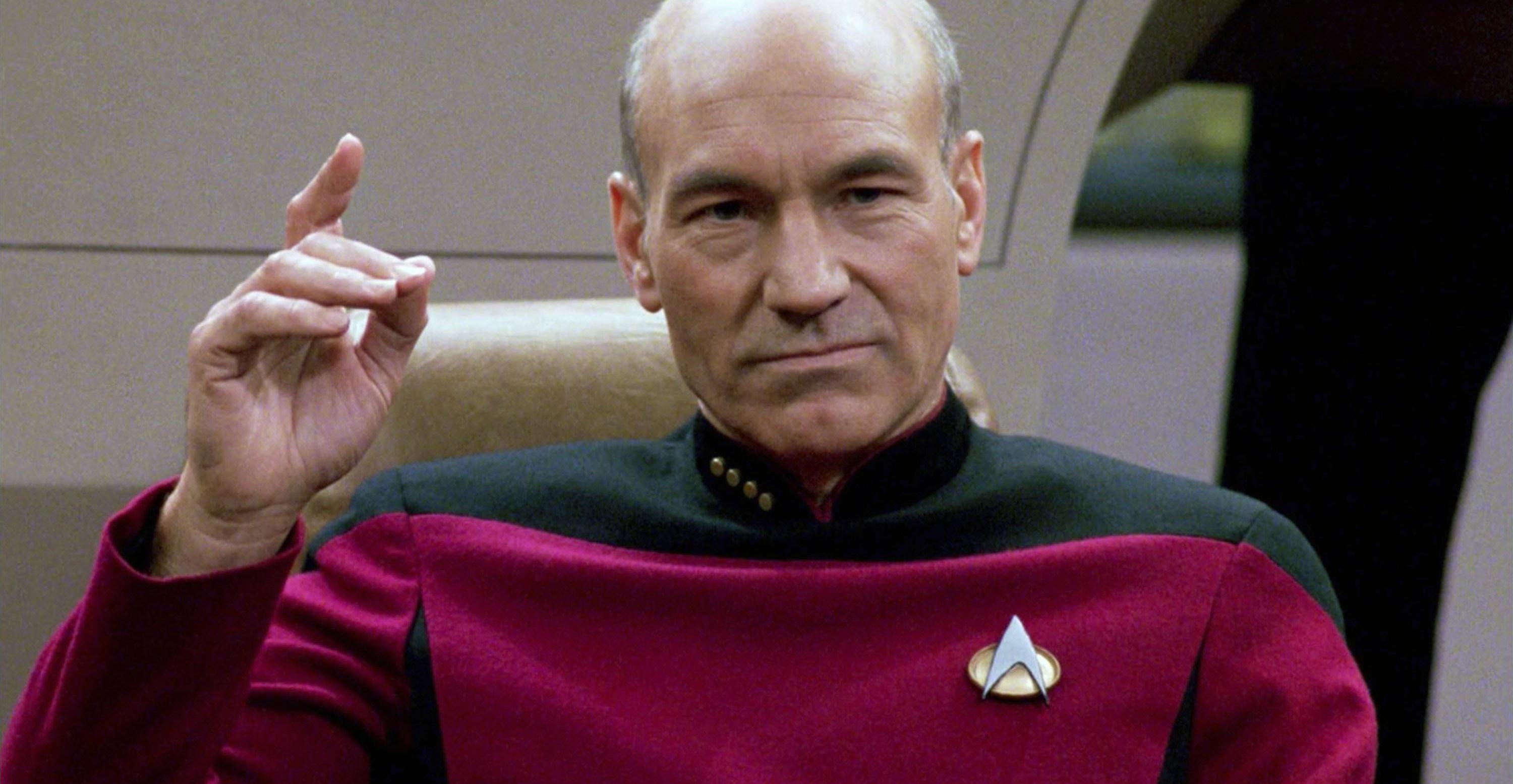
Patrick Stewart taught us what good men do with power
- 2 days ago
Is this our last time setting our clocks back?
- 3 days ago
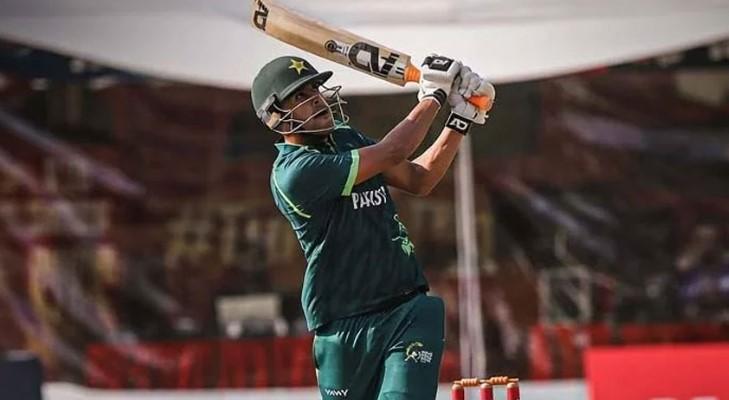
Pakistan beat Oman by 18 runs to win Hong Kong Sixes Plate title
- a day ago
Democrats have big healthcare plans. The industry is preparing for a fight.
- 13 hours ago
Nine people killed in Learjet crash in south Florida, officials say
- a day ago
The director of Obsession put a new horror short on YouTube
- 2 days ago
Pakistan assumes SCO-IBC Chairmanship for 2026–2027
- a day ago

Are you over-optimizing your hobbies?
- 2 days ago
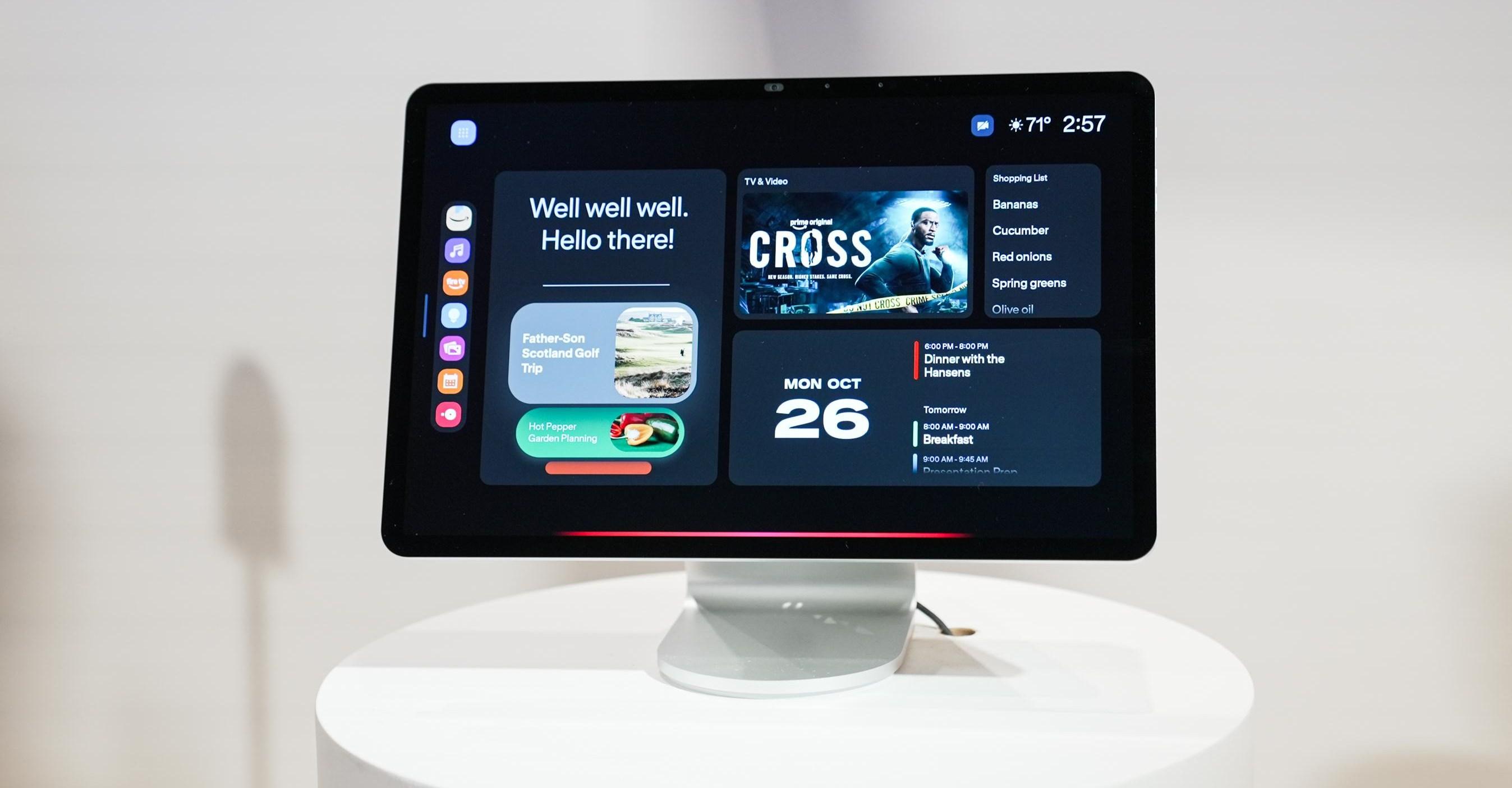
Our first look at Amazon’s big new Echo Show 16
- 2 days ago