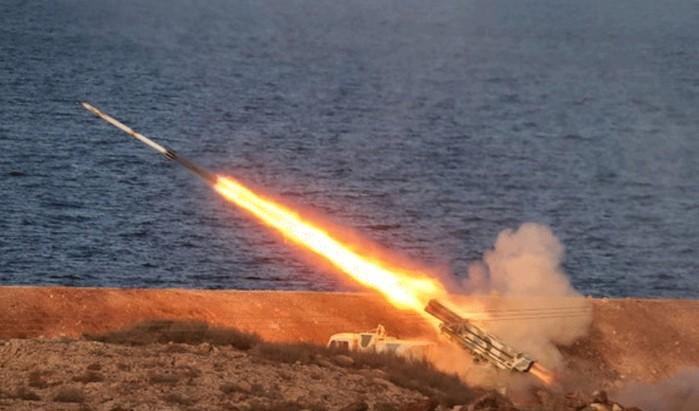
The defense minister observed the launch of the rocket, which was developed with "pure Korean technology", the statement said.


Seoul: South Korea's military said it had successfully test-fired a solid-fuel space rocket for the first time on Wednesday, a step it says will help eventually launch a constellation of satellites to better monitor threats such as North Korea.
The launch is the first such test since South Korea and the United States agreed last year to end decades of restrictions on the South's ballistic missile and rocket development, and comes less than a week after North Korea conducted its highest missile test yet.
"The success of the test launch of this solid-propelled space launch vehicle is an important milestone in strengthening the defense power of our military's independent space-based surveillance and reconnaissance field at a very critical time," the Ministry of National Defense said in a statement, citing last week's test of an intercontinental ballistic missile (ICBM) by North Korea.
The defense minister observed the launch of the rocket, which was developed with "pure Korean technology", the statement said.
In October, South Korea conducted the first test launch of the Nuri liquid-fuelled rocket, its first domestically built space launch vehicle. Nuri blasted off but failed to fully place a dummy satellite into orbit, delivering mixed results for a test launch that represented a major leap for the country's ambitious space plans.
In contrast to the Nuri's liquid-fuel design, a solid-fuel rocket such as the one tested on Wednesday would be simpler, less expensive to develop and manufacture, and faster to launch, the defense ministry said.
Wednesday's test verified the large solid-fuel engine, fairing separation, stage separation, and upper-stage attitude control technology, which are essential technologies for space launch vehicles, the statement added.
The ministry said it plans to eventually use the rocket to put a small satellite or a number of ultra-small satellites into low-Earth orbit in the future, and to later transfer some technology to the private sector to help revitalise the domestic space industry.
SOURCE: REUTERS

Colleges can do more to prevent sexual assault. Here’s where to start.
- a day ago

Trump is trying to overturn an election that hasn’t happened yet
- 2 hours ago

Should you let a chatbot manage your money?
- 2 hours ago

Agha back but no Rizwan for Pakistan following England debacle
- 11 hours ago
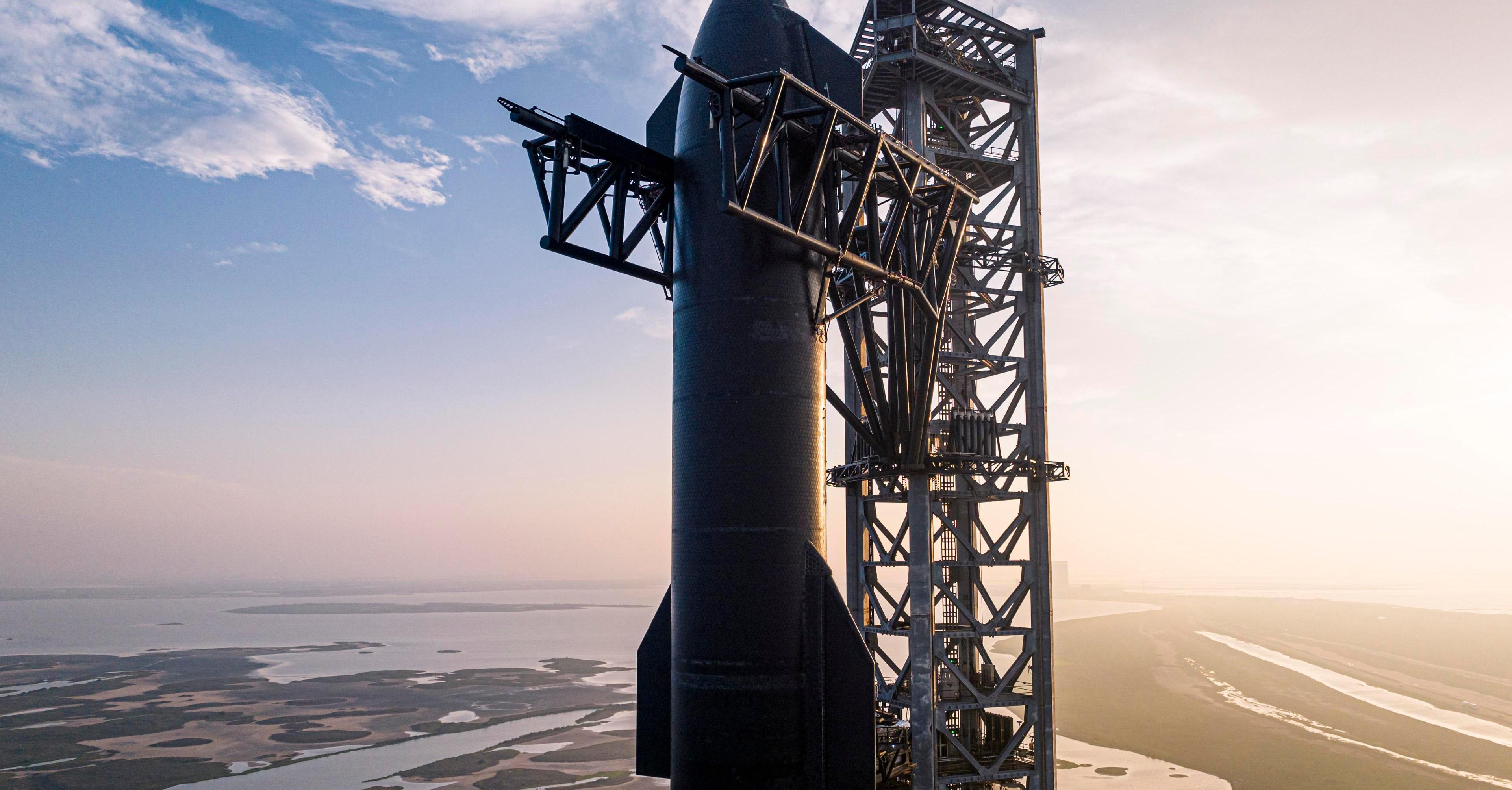
SpaceX will try catching Starship and its booster for first time, Musk says
- a day ago

FinMin Aurangzeb, WB discuss Pakistan's economic reform agenda
- a day ago
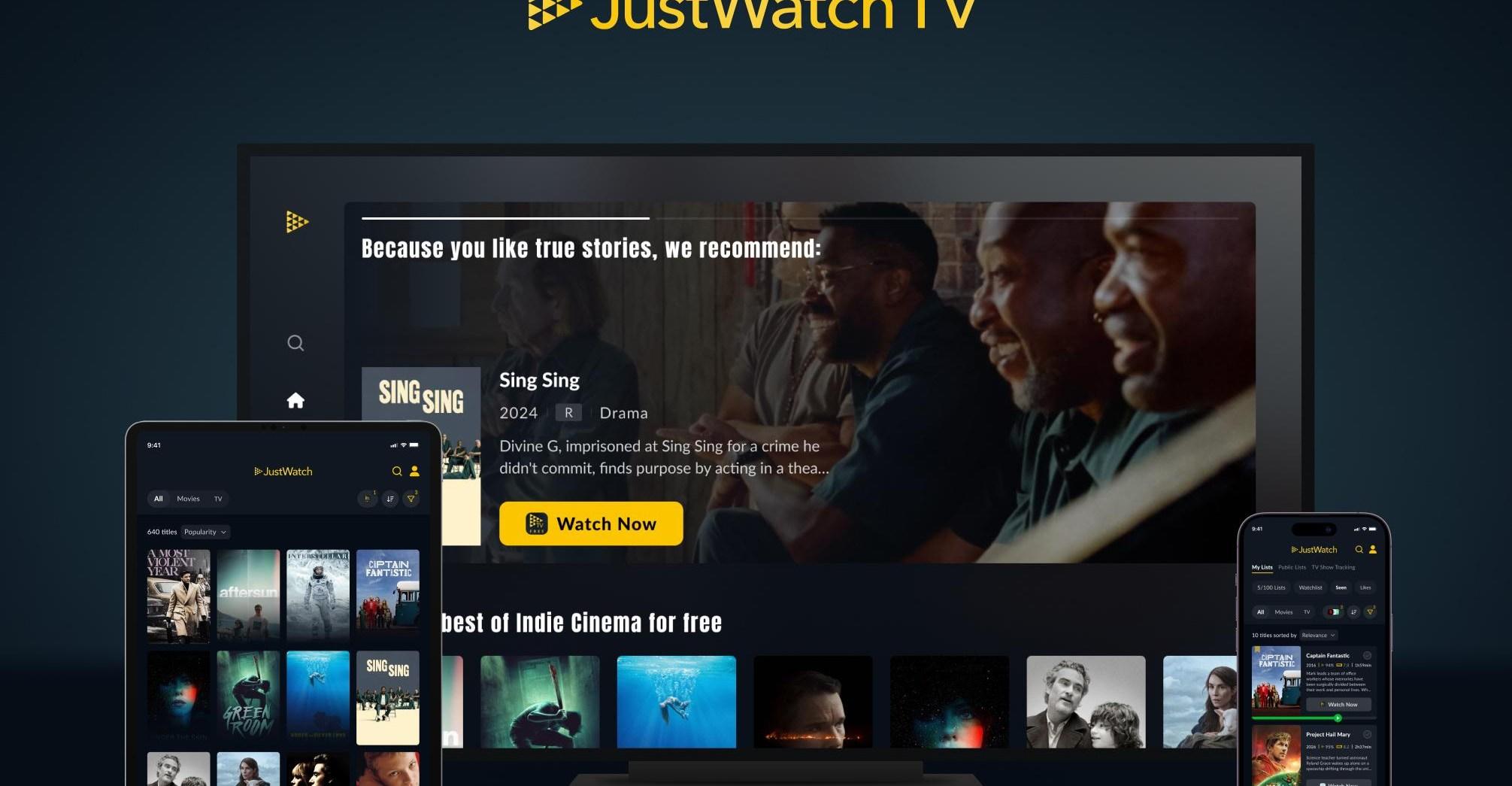
JustWatch now streams TV shows and movies, too
- a day ago
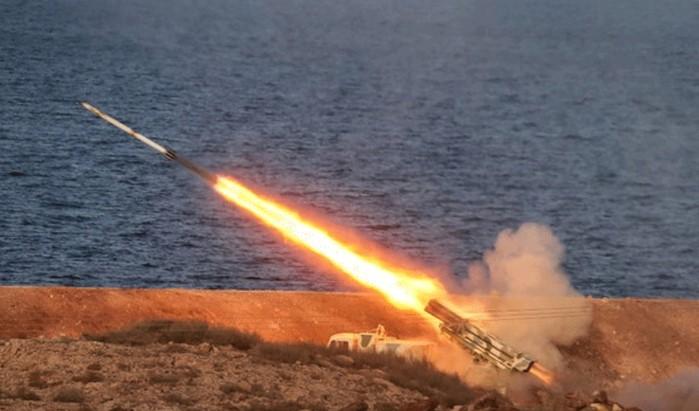
Saudi forces say intercepted two Houthi missiles targeting Yanbu, Taif
- 17 hours ago

PM Shehbaz sets illustrative wheat price at Rs4,500 per 40kg for 2027
- a day ago

How to ban gerrymandering when the Supreme Court is stacked against you
- a day ago

Xbox Cloud Gaming’s pay-as-you-go option starts at $3.99 for 10 hours
- 19 hours ago

Pakistan rejects Khalilzad's allegations of arming Afghans
- 17 hours ago