Pakistan can help bridge differences between the US and China, pak ambassador
Pakistan-U.S. relations are currently at a historically strong level. Rizwan Saeed Sheikh

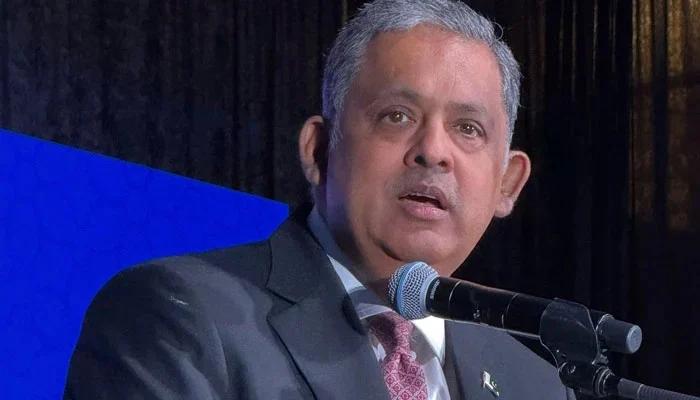
Pakistan can help bridge differences between the United States (US) and China, Islamabad’s envoy to Washington Rizwan Saeed Sheikh said on Wednesday.
Speaking at the Future Security Summit in the US, Ambassador Rizwan Saeed Sheikh stated that Pakistan is among the countries most affected by climate change, which has become an existential threat for the country. He added that Pakistan is working with the IMF and the World Bank to address climate challenges.
“Between the two mega countries of today and tomorrow - from both a present and a futuristic perspective - good relations are not a matter of choice or preference; they are indispensable,” Ambassador Sheikh stated during a panel discussion on “The Future of the US-Pakistan Relationship” at the Future Security Forum 2025 in Washington, DC.
Highlighting the depth and continuity of the bilateral partnership, Ambassador Sheikh noted that Pakistan and the United States shared a longstanding and consequential relationship, marked by collaboration on critical global challenges, including counterterrorism and climate change.
The 11th Annual Future Security Forum was organised by Arizona State University and New America in collaboration with Security & Defence PLuS. The event brought together senior policymakers, defence experts, and thought leaders for discussions on emerging global security dynamics.
He thanked the US leadership, particularly President Trump, for facilitating the ceasefire that ended the 88-hour standoff, calling it “a vital act that prevented escalation in a nuclear neighbourhood of 1.7 billion people.”
Addressing a wide range of issues, including climate change, India-Pakistan relations, the situation in Indian Illegally Occupied Jammu and Kashmir (IIOJK), China-Pakistan relations, the Ukraine conflict, and regional tensions with Afghanistan, Ambassador Sheikh reaffirmed Pakistan’s commitment to diplomacy, stability, and pragmatic policymaking.
He spoke at length about Pakistan’s climate resilience and self-reliance. He said that climate change was not an abstract concept for Pakistan but an existential crisis.
The ambassador recounted the country’s repeated cycles of devastating floods, describing new phenomena such as cloudbursts and compounding, sequential climate disasters that have destroyed infrastructure, reversed economic gains, and disrupted development programmes.
Sheikh emphasised that Pakistan’s diplomacy today was deeply intertwined with climate policy and economic security, noting that “what we build every few years is washed away by floods, but we still must pay back what we borrowed to rebuild.”
Reiterating Pakistan’s principled stance on IIOJK, he called for international mediation to help the Kashmiri people realise their right to self-determination in line with UN Security Council (UNSC) resolutions, emphasising that peace in South Asia remains contingent upon the resolution of this longstanding dispute.
Rejecting “camp politics,” he said Pakistan’s foreign policy seeks balanced relations. He asserted that Pakistan’s ties with Beijing were rooted in historical continuity and economic cooperation.
“There is no binary choice for us. Our relationship with China didn’t start yesterday, and it is not ending tomorrow,” he remarked, adding that the China-Pakistan Economic Corridor (CPEC) should be viewed through an economic lens, as a facilitator of regional connectivity and prosperity.
He recalled Pakistan’s pivotal role in fostering rapprochement between the United States and China decades ago and expressed readiness to play a similar role today as an economic bridge for global peace and progress.
Condemning cross-border terrorism from Afghanistan, Ambassador Sheikh stated that Pakistan has endured immense suffering from terrorism and will address it resolutely.
However, he reaffirmed that diplomacy remained Pakistan’s preferred approach to resolving bilateral issues with both Afghanistan and India.
“Diplomacy is our preference. Pakistan’s history shows we have always stood for diplomatic solutions,” reaffirmed the ambassador.
On the issue of Afghan refugees, Ambassador Sheikh clarified that only undocumented or illegal residents were being repatriated and that Pakistan wanted to ensure their return in a dignified manner.
Movement across the Pak-Afghan border ought to be visa-based as per the international practice, he continued.
Regarding the ongoing Ukraine conflict, he acknowledged and welcomed peace efforts led by the United States under President Trump’s leadership, expressing hope for their success.
Ambassador Sheikh concluded by thanking the organisers of the Forum and engaging with the audience in a constructive question-and-answer session, underscoring Pakistan’s enduring commitment to global peace, dialogue, and mutual respect in international relations.

What if making your neighborhood safer means breaking the rules?
- 18 hours ago

Xbox is launching a new film and TV division
- 20 hours ago
Anthropic bans ‘abusive or cruel behavior’ towards Claude
- 20 hours ago

Is this the cure for Alzheimer’s?
- 18 hours ago
World economic growth to slow to 2.6pc in 2026, UN trade body says
- a day ago
Pakistan calls for immediate de-escalation of Ukraine conflict
- 7 hours ago
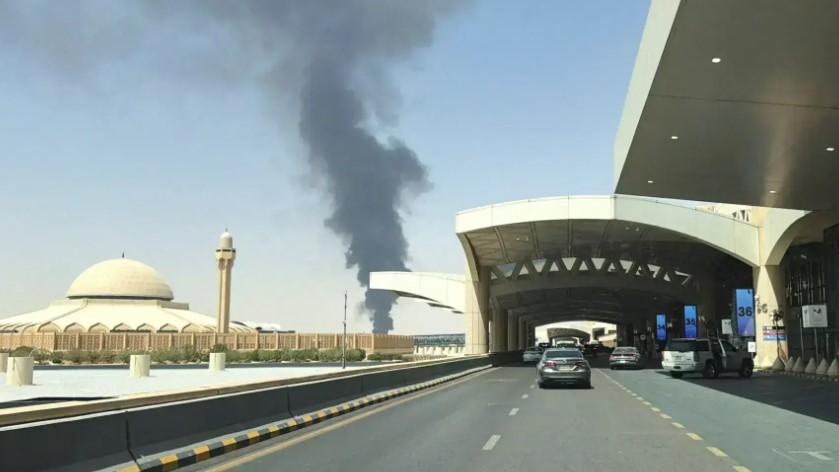
Pilot among three Saudi nationals killed in attacks on Riyadh airport, authorities say
- a day ago
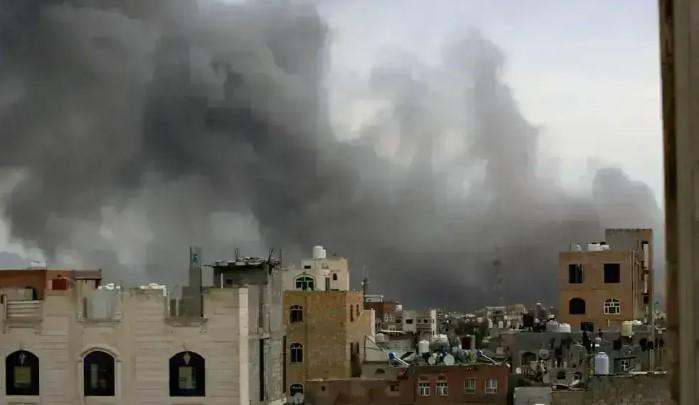
Saudi-led coalition says destroyed more than 100 Houthi targets
- 9 hours ago

PM Shehbaz calls for comprehensive strategy to combat diabetes
- 9 hours ago
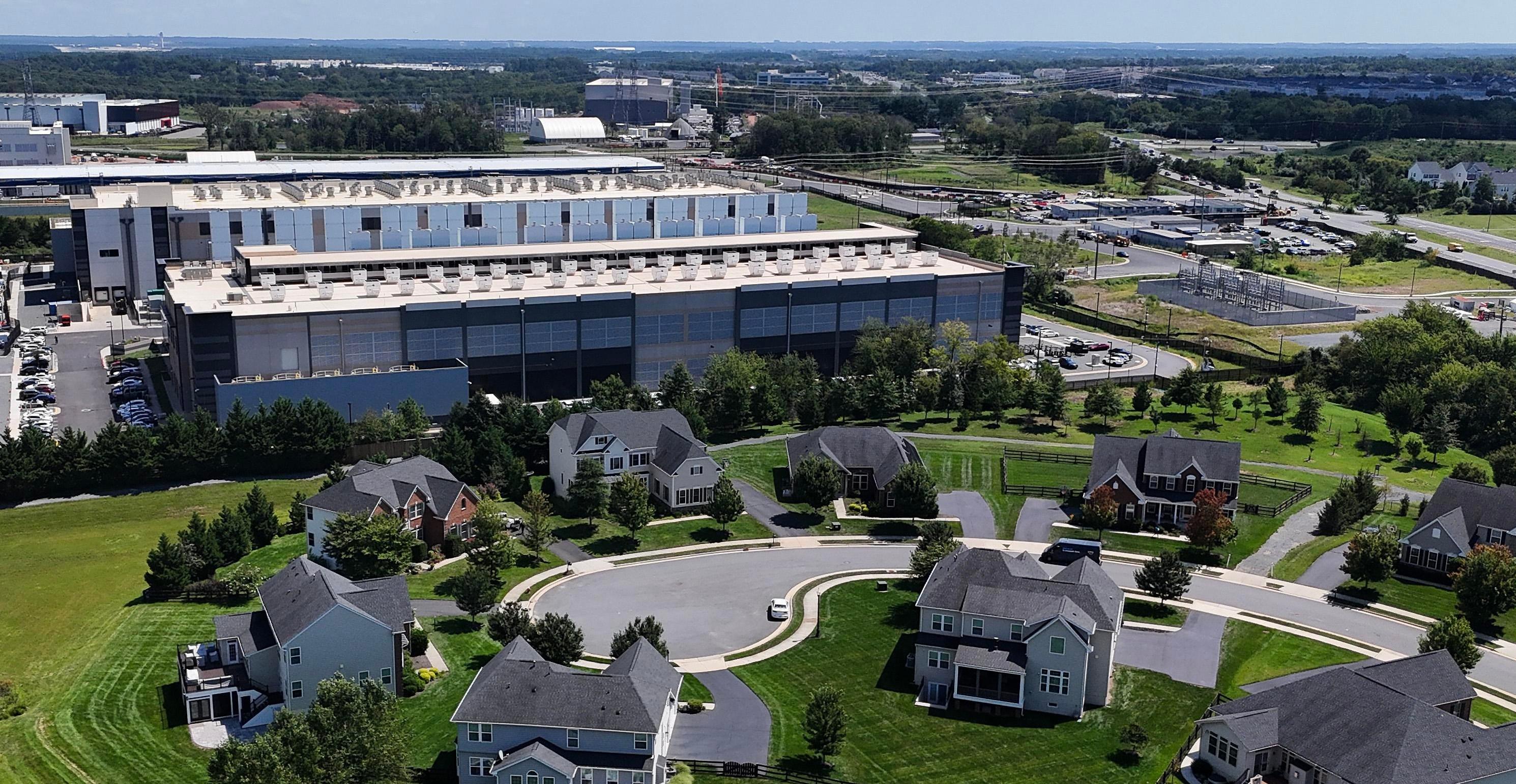
No one wants to be “Data Center Dave”
- 18 hours ago
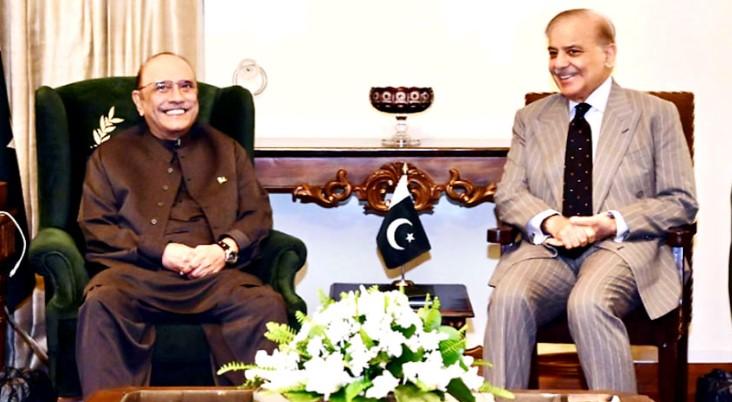
President Zardari and PM Shehbaz 'agree' on imposition of emergency in KP: sources
- 3 hours ago
Pakistan committed to peaceful outcome of Iran-US conflict: DG ISPR
- a day ago