Economic crisis: Sri Lanka's cabinet ministers resign as crisis protesters defy curfew
The country is grappling with what is said to be its worst economic crisis since independence from the UK in 1948

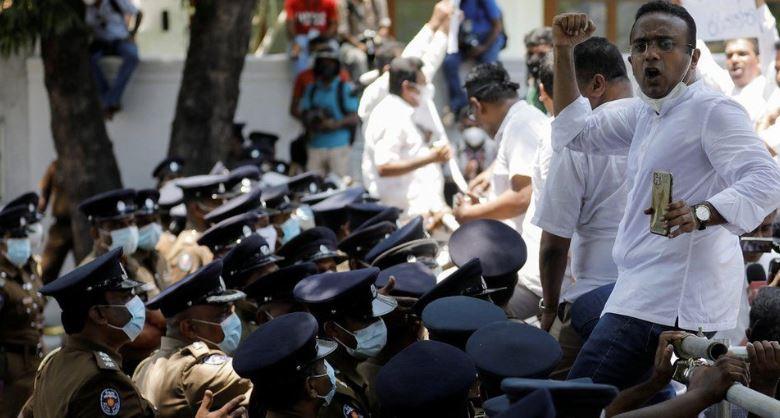
Sri Lanka's cabinet ministers have resigned en masse after protests over the government's handling of the worst economic crisis in decades.
All 26 ministers submitted letters of resignation - but not Prime Minister Mahinda Rajapaksa.
Earlier protesters defied a curfew to take to the streets in several cities.
The country is grappling with what is said to be its worst economic crisis since independence from the UK in 1948.
It is caused in part by a lack of foreign currency, which is used to pay for fuel imports. With power cuts lasting half a day or more, and shortages of food, medicines and fuel, public anger has reached a new high.
It is a massive turnaround in popularity for Mr Rajapaksa, who swept into power with a majority win in 2019, promising stability and a "strong hand" to rule the country.
Education Minister Dinesh Gunawardena told reporters on Sunday that the cabinet's ministers had tendered their resignation letters to the prime minister.
The prime minister's own son, Namal Rajapaksa, was among the cabinet ministers to resign, tweeting that he hoped it would help the president and PM's "decision to establish stability for the people and the government".
President Gotabaya Rajapaksa - who is PM Mr Rajapaksa's younger brother - imposed a 36-hour curfew on Friday, a day after clashes near his residence.
People are banned from being on any public road, in a park, on trains or on the seashore unless they have written permission from the authorities, and access to social media was blocked temporarily.
The curfew is due to remain in force until 06:00 (00:30 GMT) on Monday.
On Sunday, soldiers armed with assault rifles blocked an attempt by a crowd of hundreds of protesters to march to Independence Square in the capital.
"President Rajapaksa better realise that the tide has already turned on his autocratic rule," opposition MP Harsha de Silva told AFP news agency at a rally. Another opposition MP, Eran Wickramaratne, said: "We can't allow a military takeover. They should know we are still a democracy."
In Kandy, a city of 125,000 people in Central Province, police fired tear gas at hundreds of protesting students near the University of Peradeniya.
Thursday's protest outside President Rajapaksa's house in Colombo began peacefully, but participants say things turned violent after police fired tear gas and water cannon, beating demonstrators.
Protesters retaliated by pelting police with stones and at least two dozen police personnel were reportedly injured, with a number of vehicles also set on fire.
SOURCE: BBC NEWS
ROMO OUT AT CBS AFTER DUI...
- 12 hours ago
India beat Pakistan in final to complete cricket double
- a day ago

Meta’s Muse AI sent a YouTuber’s address to a stranger
- 2 days ago
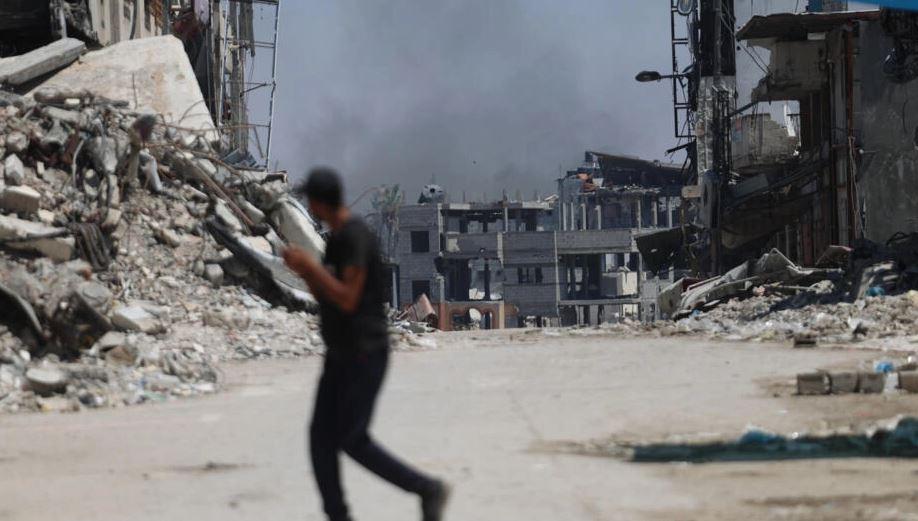
Israeli strike kills five, including four women, in Gaza, health officials say
- a day ago

SteelSeries’ new mice are super light, with ultra-wideband and swappable batteries
- 2 days ago
Civilian deaths: Pakistan lodges strong protest with India over border firing incident
- a day ago
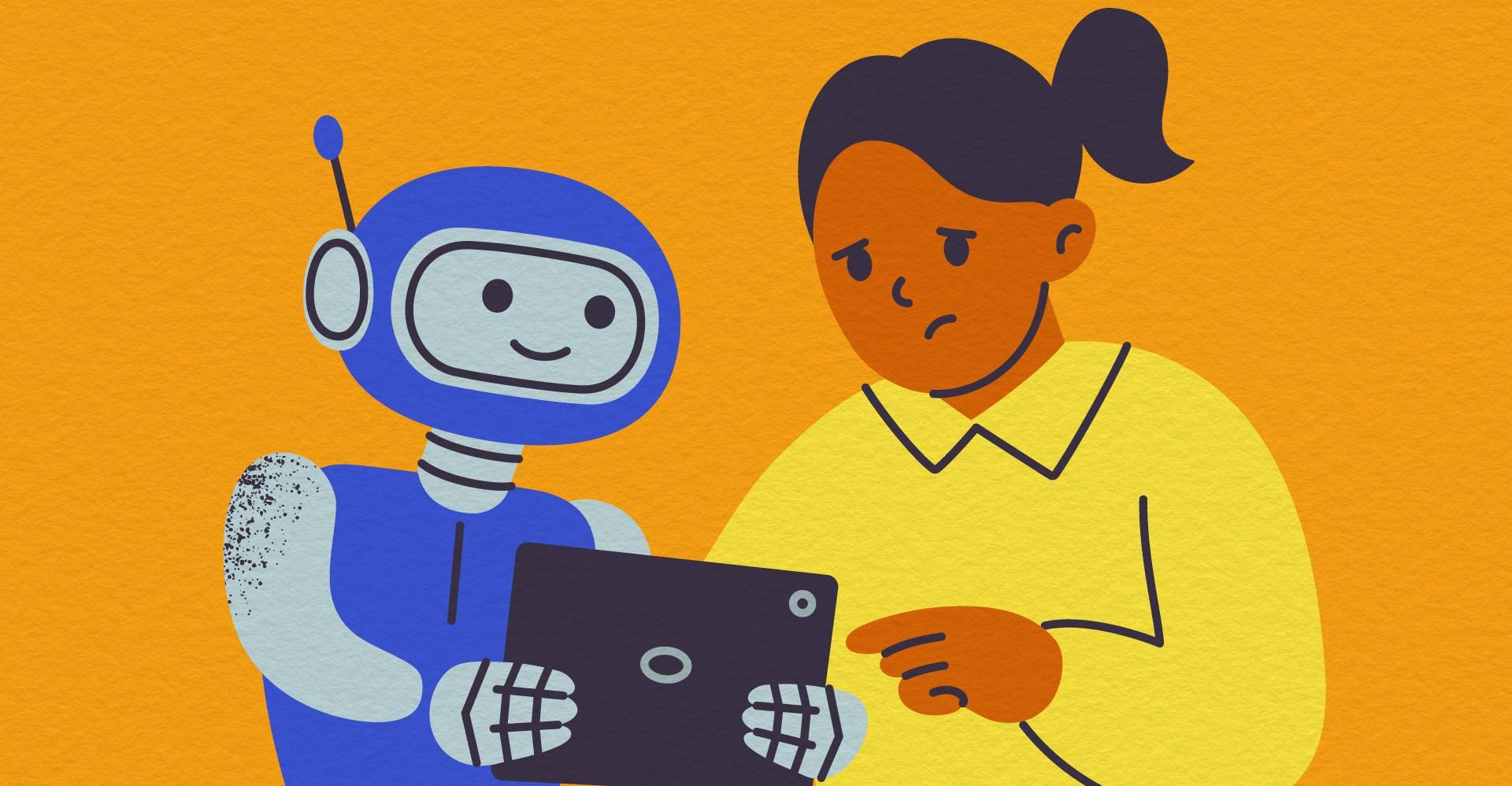
More kids are using AI for companionship — and it’s making them lonely
- a day ago

OpenAI’s new agent is a shot at Meta — but can it compete with free?
- a day ago
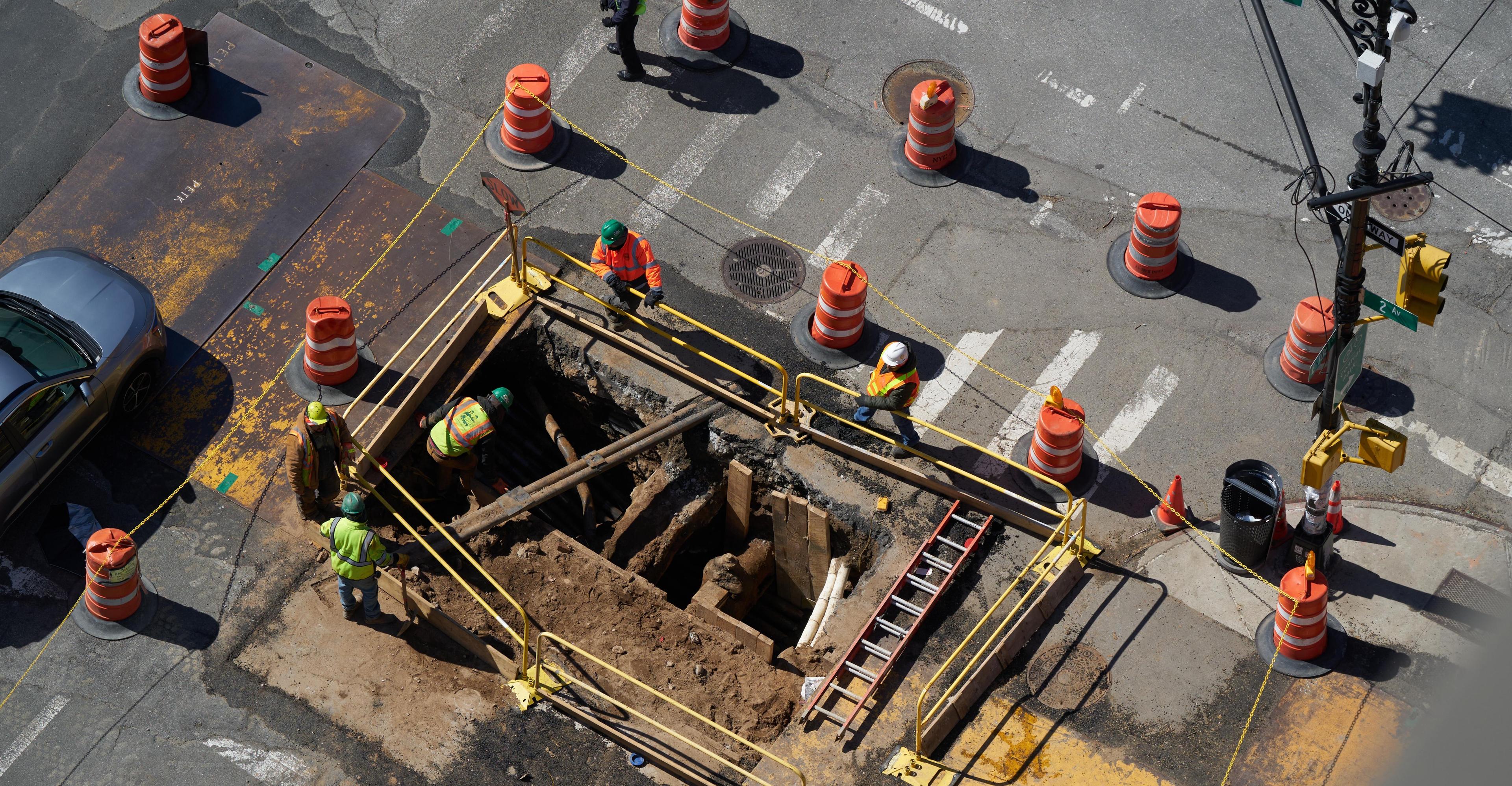
Disney World solved a problem that could save America billions every year
- a day ago
Gold prices plummet in Pakistan, global markets
- a day ago

The secret to using AI without getting dumber
- a day ago
How did the Cornell rape case go so wrong?
- 11 hours ago