Supreme Court dismisses PPP’s plea for full court in NA speaker’s ruling case
Chief Justice Bandial says forming a full court bench would impede proceedings of other cases

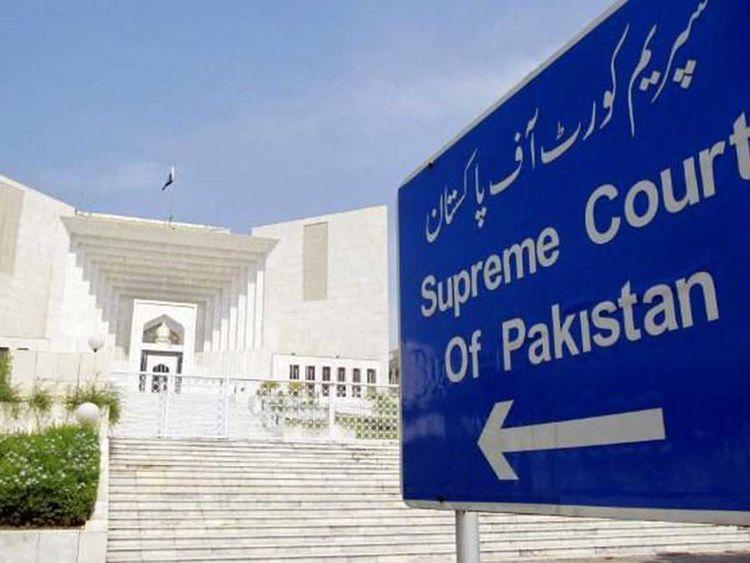
Islamabad: The Supreme Court on Monday dismissed the Pakistan People Party’s (PPP) plea seeking formation of a full court to hear the suo moto case pertaining to a ruling issued by the National Assembly speaker rejecting the no-confidence motion and adjourned hearing till Tuesday.
A five-member larger SC bench headed by Chief Justice of Pakistan Umar Ata Bandial and comprising Justice Ijaz Ul Ahsan, Justice Mazhar Alam Khan Miankhel, Justice Muneeb Akhtar and Justice Jamal Khan Mandokhel heard the case.
During the course of proceedings, the CJP while considering the plea of PPP counsel Farooq H Naek regarding the formation of full court, asked him to submit his formulation and if the court found it appropriate then it would consider his plea.
He asked Naek if he had no confidence in them, then they could rise from the bench. Upon this, Farooq Naek said that he had full trust in the bench. As the case concerned complex matters of law, all judges of the apex court should sit on the bench, he added.
Justice Bandial said forming a full court bench would impede proceedings of other cases.
The CJP asked about the absence of joint opposition leaders from the parliamentary committee briefing on the alleged foreign conspiracy. He asked about the significance of the parliamentary committee meeting and its relevance in the matter.
He asked them regarding the ambit of Article 69 of the Constitution, which stated that the parliament’s proceedings could not be challenged in any court of law.
The could not decide the case without listening to everyone, as the ruling could not come out of thin air, he added.
Farook H Naek urged the court to decide the case today, but the court said it needed more time to hear the arguments of other lawyers.
Justice Ijaz said the court’s decision would have far-reaching ramifications so it could not do so without giving the other parties an opportunity to present their argument.
Farooq H Naek referred to Article 54(3) and said the National Assembly’s session was supposed to be convened within 14 days after a motion was submitted.The no-trust motion was submitted on March 8, 2022, while the assembly session was called on March 25 instead of March 21 while the NA deputy speaker adjourned the session on March 25 after offering Fateha till March 28, he added.
He said the speaker didn’t provide any reason for not convening the session till March 20 after the motion was submitted.
Justice Mandokhel objected that Naek’s case was related to the action of the speaker in Sunday’s NA session. He asked Naek whether the speaker was right or wrong.
Justice Muneeb Akhtar said if there were 100 members in the assembly, and 50 of them were against it and only 25 supported the motion. He asked whether the motion would be dismissed if the majority opposed it.
Naek said if the majority stated that the motion could not be presented, then it could not be presented. It was the House that had allowed the motion to be presented, not the speaker.
Justice Muneeb Akhtar said if the government was in the majority in the NA, then no motion would ever be moved if voted against them.
He asked whether the speaker had the power not to allow the motion to be moved. What would happen if the speaker did not allow the motion?
Justice Ahsan remarked that the no-confidence motion was not valid until leave was not granted by the speaker. Naek argued that the speaker had permitted its presentation.
The CJP asked what did it mean to grant leave and who had allowed to present the resolution – the speaker or the House.
Naek responded that the House allowed to present the resolution, not the speaker.
Justice Muneeb asked whether the speaker had the authority to disallow presentation of the resolution and what would happen if the speaker did not allow to do so.
It was during the assembly’s proceedings that the speaker rejected the resolution, he added.
When Pakistan Tehreek-e-Insaf’s counsel Babar Awan took the rostrum, the chief justice asked him that the bench wanted to hear the petitioners first. “If you want to give a statement, you can,” he added.
Babar Awan, in his arguments, said he wanted to refer to the apex court’s decision of March 21, 2022, when the Attorney General for Pakistan had assured the court that no member of the National Assembly would be prevented from attending the session.
He said the presidential reference should be heard with the present suo moto notice.
Banar Awan said the PTI was ready for the next election.
Upon this, the chief justice remarked that the court would only review the speaker’s ruling, not political statements, and would announce a reasonable decision.
SOURCE: APP

Malaysia beat Pakistan by 5-4 goals in Asian Games match
- 17 hours ago
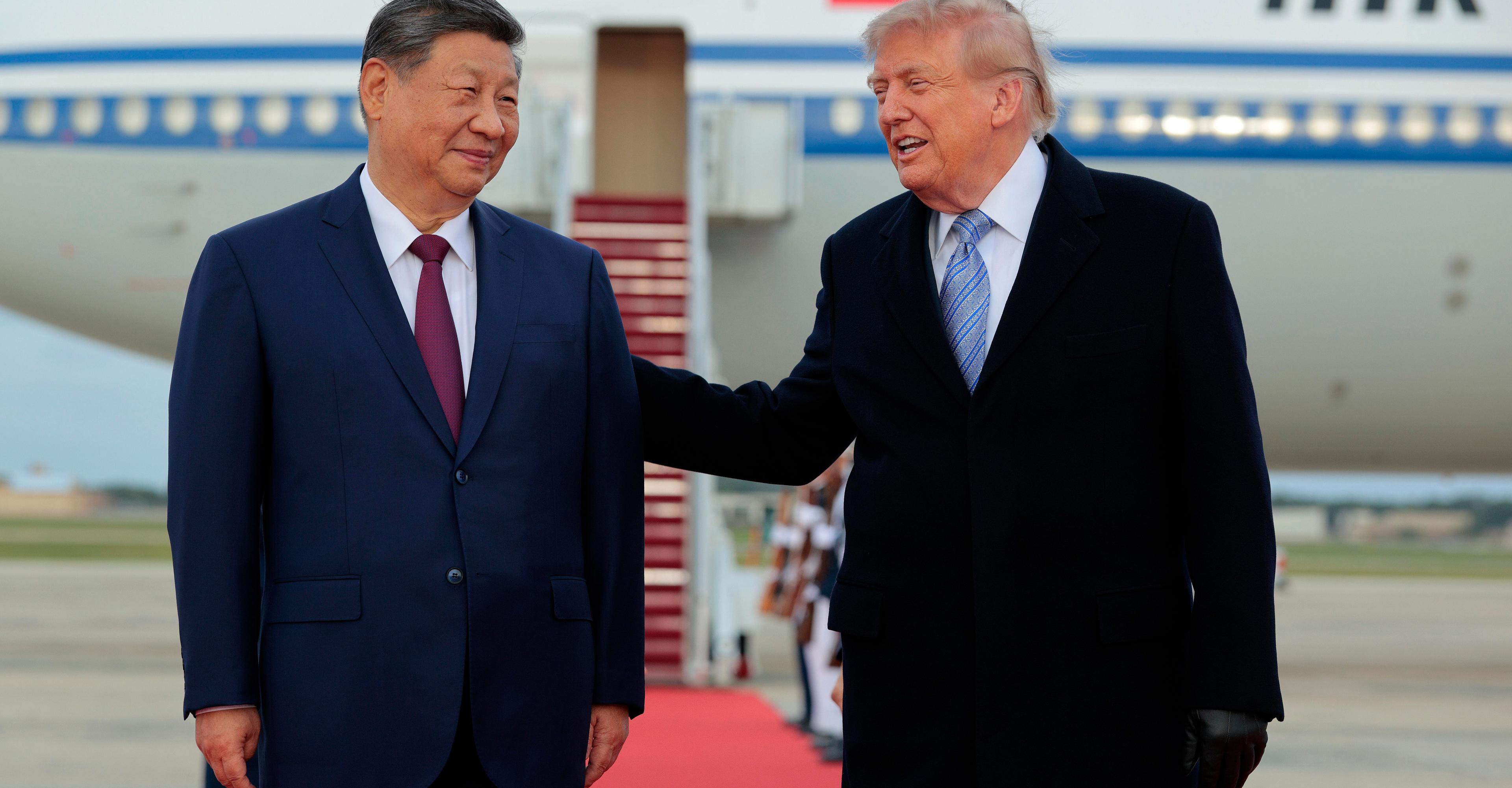
Why Americans are warming to China
- a day ago

A sinkhole swallowed Nicolas Cage’s driveway. Yours might be next.
- a day ago

Pakistan Customs foils smuggling attempt at Islamabad Airport, seizes contraband worth Rs660mn
- 21 hours ago
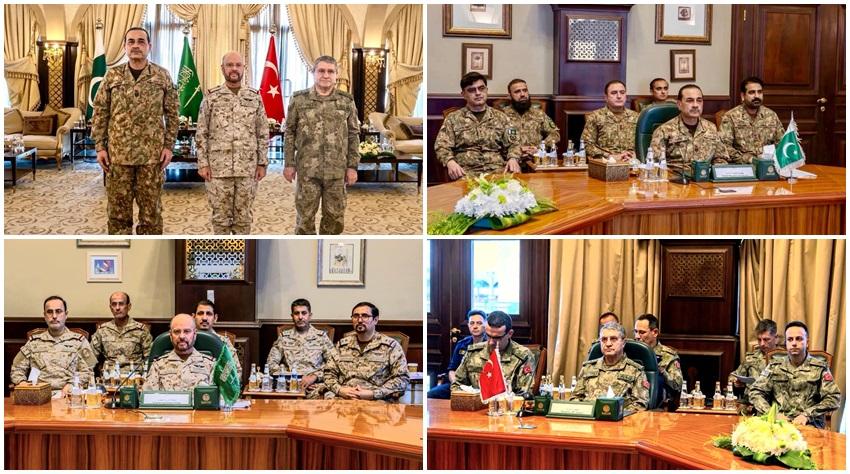
Pakistani, Saudi, Turkish military chiefs discuss ways to back KSA under Makkah defence pact
- a day ago
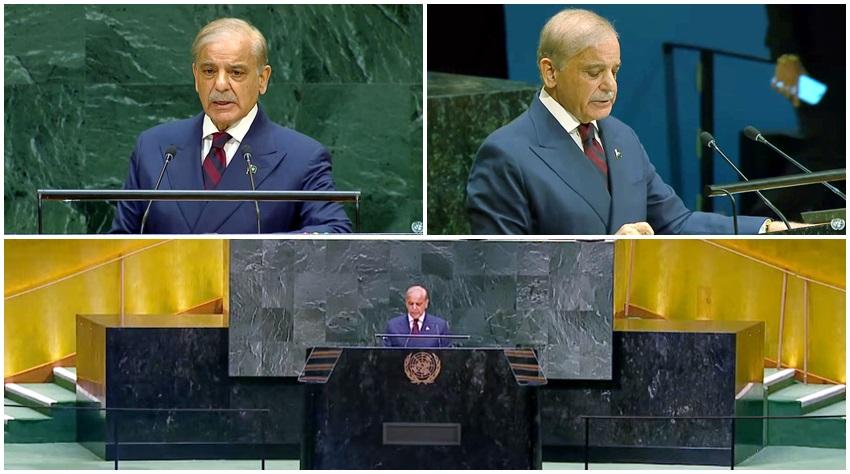
Any attempt to divert Pakistan's share of waters will be treated as an act of war: PM Shehbaz
- a day ago
Susan Collins is the abortion rights movement’s biggest test of 2026
- a day ago

Security forces kill 33 terrorists in Balochistan: ISPR
- 2 days ago

PIA faces over Rs10mn in baggage delay penalties at airports across Pakistan
- 21 hours ago
WHO renews commitment to support Pakistan in fight against childhood cancer
- 2 days ago
More Republicans are breaking from Trump. Is it too little, too late?
- a day ago
China, US agree to $30bn tariff cut, AI dialogue during Xi visit
- a day ago