Turkey’s annual inflation jumps to almost 79%, reaches highest level in 24 years
Soaring consumer prices have hit the population of 84 million hard

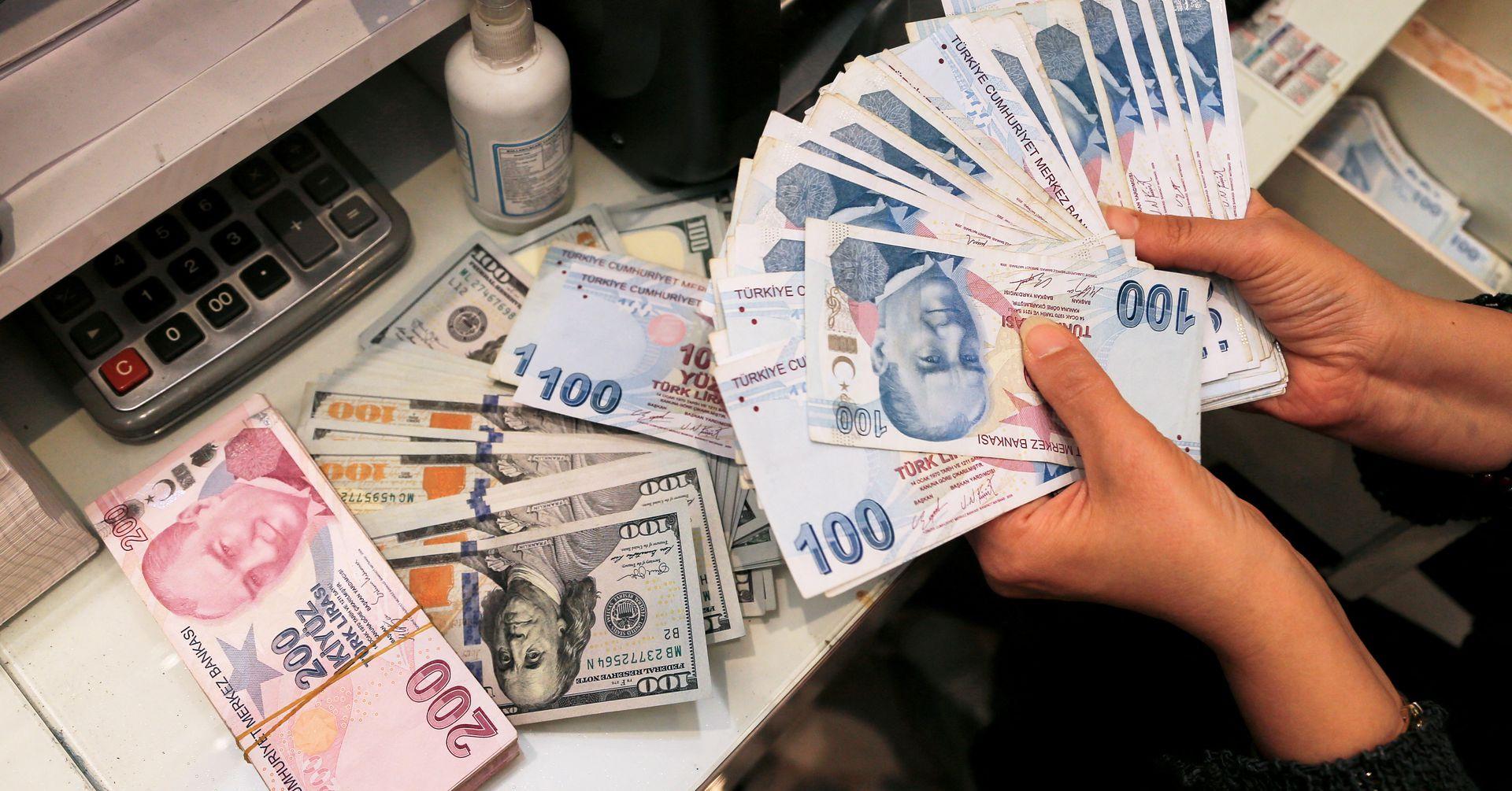
Inflation in Turkey rose close to 79% last month, the highest the country has seen in a quarter of a century.
The annual inflation rate was 78.62% for June, according to the Turkish Statistical Institute, surpassing forecasts. That’s the country’s highest annual inflation reading in 24 years. The monthly increase was 4.95%.
Soaring consumer prices have hit the population of 84 million hard, with little hope for improvement in the near term as a result of the Russia-Ukraine war, high energy and food prices, and a sharply depreciated lira, the national currency.
Transportation prices jumped 123.37% from the previous year, and food and non-alcoholic beverage prices climbed 93.93%, according to government data.
Turkey has enjoyed rapid growth in previous years, but President Recep Tayyip Erdogan has for the last few years refused to meaningfully raise rates to cool the resulting inflation, describing interest rates as the “mother of all evil.” The result has been a plummeting Turkish lira and far less spending power for the average Turk.
Erdogan instructed the country’s central bank — which analysts say has no independence from him — to repeatedly slash borrowing rates in 2020 and 2021, even as inflation continued to rise. Central bank chiefs who expressed opposition to this course of action were fired; by the spring of 2021, Turkey’s central bank had seen four different governors in two years.
The country’s interest rate was gradually reduced to 14% last fall and has remained unchanged since. The lira fell 44% against the dollar last year, and is down 21% against the greenback since the start of this year.
Turkey’s government has introduced unorthodox policies to try to shore up the lira without raising interest rates. In late June, Turkey’s banking regulator announced a ban on lira loans to companies holding what it deemed to be too much foreign currency, which boosted the currency briefly but caused more uncertainty among investors who questioned the sustainability of the measure.
SOURCE: CNBC
Federal budget likely to be presented on June 10; summary sent to NA, Senate
- 3 hours ago

American cities are paying too much for sprawling housing
- 4 hours ago

Yasin Joyia appointed to prestigious committees of Eye Bank Association of America
- 3 hours ago

The Google Pixel Watch 5 may have been spoiled by… the creator of Borderlands
- 6 hours ago

How generosity became cringe
- 13 hours ago

AI is blowing up music. How should the Grammys handle it?
- 15 hours ago

I went looking for the AI weed vape that gives you Bitcoin for smoking
- 15 hours ago

Israel strikes in Lebanon despite ceasefire deal
- 2 hours ago

Final ODI: Australia win toss and elect to bat against Pakistan
- 3 hours ago

Why the US doesn’t want American Ebola patients to return home
- 13 hours ago

MAGA’s civil war over immigration is over. Silicon Valley lost.
- 13 hours ago
Pakistan retains all options to safeguard its rights under IWT
- 2 hours ago