Nine out of 16 analysts predicted the State Bank of Pakistan will raise the key rate by 100 basis points (bps) to 23% at its policy meeting next week, while one saw a smaller 50 bps increase and six expected no change.

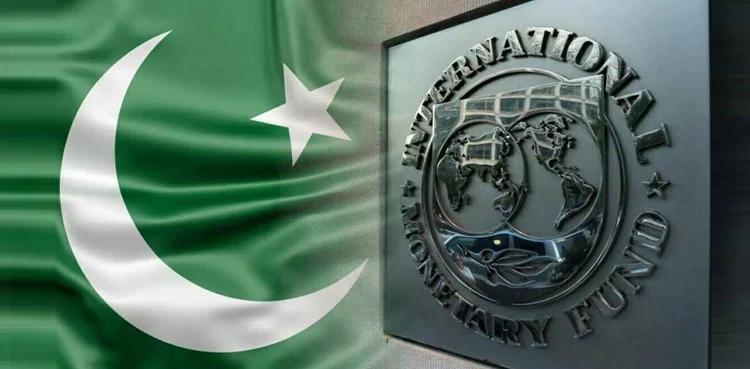
Karachi: Pakistan's central bank will likely raise its key interest rate again on Monday to tackle persistently high inflation, giving in to pressure from the International Monetary Fund (IMF), analysts said.
Pakistan must continue its monetary tightening cycle, the International Monetary Fund (IMF) said in a staff report earlier in July, a week after the lender approved a new bailout arrangement with the South Asian nation which helped it avert a debt default.
Nine out of 16 analysts predicted the State Bank of Pakistan will raise the key rate by 100 basis points (bps) to 23% at its policy meeting next week, while one saw a smaller 50 bps increase and six expected no change.
The State Bank of Pakistan (SBP) has raised its key policy rate by 12.25 percentage points since April 2022, mainly to curb soaring inflation.
SBP held rates steady in June saying inflation had peaked at 38% in the preceeding month. But before the end of the month, it raised rates by 100 bps at an emergency meeting in an effort to secure IMF funds, citing "slightly deteriorated inflation outlook".
In the Memorandum of Economic and Financial Policies (MEFP) that resulted from its talks with the IMF, Pakistan said it stands ready to consider further action at the next monetary policy committee meeting and subsequent ones until inflation and inflation expectations are on a clear downward path.
Sami Tariq, head of research at Pak-Qatar, said as a preemptive measure to control inflation arising out from increase in administered utility prices of gas and electricity, the central bank would raise rates by 100 bps.
Most analysts believe the rate increase would be done largely to satisfy the IMF's criteria.
However, Shivaan Tandon, an economist at Capital Economics, said that the worst may now be over for Pakistan given inflation is likely to have peaked and IMF funding is now secured.
Still, he added price pressures in the economy remain extremely elevated and policymakers would want to guard against the risk of high inflation becoming entrenched.
"We think the SBP will aim to suppress domestic demand through further monetary tightening to keep a lid on imports, contain the current account deficit and mitigate downward pressure on the currency," Tandon said.
However, the analysts who predicted no change in rates said there was no major change in price pressures since the last policy meeting to warrant a hike this month.
Mohammad Sohail, CEO at Topline, said the consumer price index, sensitive price index and the current account are all showing positive trends.
Courtesy: Reuters
COLTS release QB Daniel Jones...
- 7 hours ago

Pakistan-Indonesia joint exercise 'Elang Strike-III' concludes at Pabbi
- 21 hours ago

How Uruguay built a national care system from the ground up
- 21 hours ago

PCB announces central contracts for 38 men's cricketers with key players absent
- 21 hours ago

Canva adds an AI ‘off’ button
- a day ago

Zelensky reaffirms Ukraine's wish to join NATO
- 16 hours ago

Listen to this: Armand Hammer’s Snakes & Ladders
- 8 hours ago
Teachers are reeling from an existential crisis. You’re probably feeling it too.
- 21 hours ago

EU proposes tax on Big Tech to boost budget
- 16 hours ago

Oh, Elon Musk is ‘moderate’ now, is he?
- a day ago

Satya Nadella says he’s AGI-pilled now
- 8 hours ago

FBI, US Agriculture Department breached by hackers: reports
- 18 hours ago