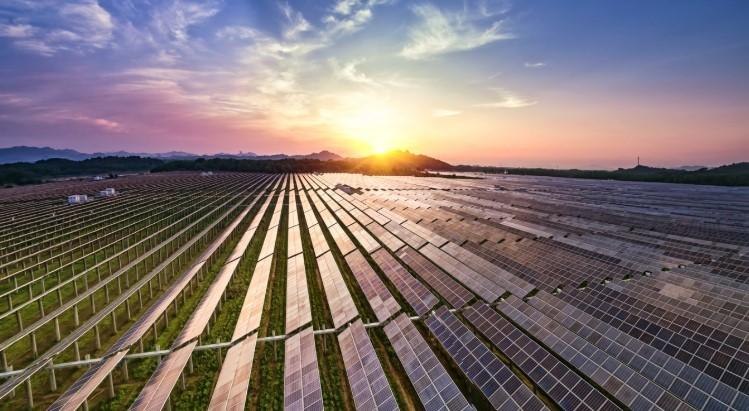
For the past few years, American politics have been organized around a simple, unnerving feeling: Life is getting too expensive, and no one seems to know what to do about it. Rent and home prices feel out of reach. Child care feels like it costs as much as a …

Published 10 months ago on Dec 4th 2025, 7:01 am
By Web Desk
For the past few years, American politics have been organized around a simple, unnerving feeling: Life is getting too expensive, and no one seems to know what to do about it.
Rent and home prices feel out of reach. Child care feels like it costs as much as a second mortgage. Groceries, utilities, and health care have all climbed faster than people’s paychecks. Politicians have reached for familiar tools — blaming corporate “greedflation,” flirting with price controls and tariffs, promising to “take on” whoever is convenient in an election year — but none of that gets to the deeper question: How do we make it genuinely easier to build, to work, and to live well in America?
For most of this country’s history, we thought we knew the answer: growth. That means a bigger economy, higher productivity, cheaper and cleaner energy, new technology, and more people able to participate in all of the above. Growth was the background assumption — not a panacea, but the thing that made every other problem a little easier to solve.
Then, beginning in the 1970s, that consensus started to break. Economic growth slowed. Concerns about inequality, consumerism, and environmental damage mounted. A certain anti-growth mentality took root on both the left and the right, and “more” became something to be eyed with suspicion rather than embraced and steered.
There were real reasons people were wary of a political project organized around “more” — the environmental damage of fossil fuels, the experience of being left out of past booms, the sense that consumerism had filled our lives with stuff instead of meaning. But, in overcorrecting for the very real mistakes of the past, the US inadvertently locked itself into a low-growth, high-friction status quo that has only made our hardest problems harder. That’s why we need to take sustainable growth seriously again, to move from zero-sum fights over who gets what slice of a fixed pie to a world where the pie is actually bigger. Not growth at all costs, but growth the smart way.
That is the animating idea behind this project, The Case for Growth. Over the coming weeks, in explainers, features, and podcast episodes, we’ll look at why our most productive cities have been effectively locking out families and what it would take to open them up. We’ll imagine what an era of clean energy abundance could unlock, from vertical farming to sci-fi climate solutions. We’ll explore how advances in artificial intelligence might finally shake us out of a prolonged productivity slump and how our addiction to cars and meat is choking off more sustainable growth. We’ll talk to experts who make the case that growth can run side by side with policies that prevent the worst of global warming.
In an era when so much of our politics has been reduced to zero-sum arguments over who loses so someone else can win, we want to reopen the possibility of positive-sum progress — of building more; inventing more; and including more people in that story, while taking care of the planet. Growth won’t solve everything, but without it, almost nothing gets solved at scale. The Case for Growth is our attempt to put that idea back into conservation as part of a serious effort to make life more affordable, more sustainable, and more abundant in the US and far beyond.
This series was supported by a grant from Arnold Ventures. Vox had full discretion over the content of this reporting.

CDF Munir reaffirms resolve to strengthen Pakistan-Russia ties
- an hour ago

Gold prices decline after one day's increase in Pakistan
- 5 hours ago
Tim Cook says ‘I’m not meddling’ in the new Apple CEO’s business
- 16 hours ago

Anthropic launches free AI security scans for open-source projects
- 16 hours ago

Two US cities could soon ban one of the world’s most controversial foods
- 14 hours ago

Nobel Peace Prize winner Navi Pillay blasts Trump's 'unlawful' sanctions against ICC
- an hour ago

The liver transplant system tried to fix its sex bias. Did it work?
- 14 hours ago

Hands-on with Amazon’s Alexa Tablet 12 Pro and its wild new matte display
- 16 hours ago
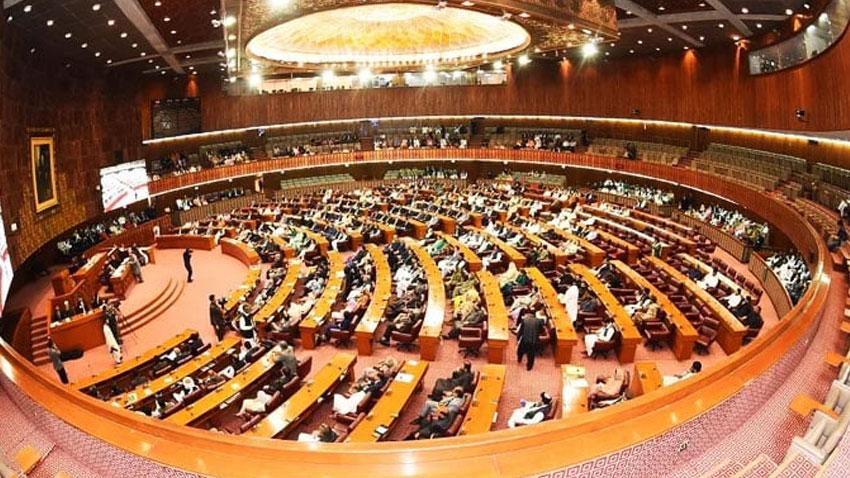
National Assembly passes resolution endorsing federal govt's imposition of emergency, governor's rule in KP
- 6 hours ago

Saudi-led coalition orders evacuation of Yemen oil facility in Sanaa ahead of operation
- a day ago

I only bought Pokémon Legends: Z-A during Prime Day, and it’s still on sale
- 16 hours ago

Pakistan, Oman vow to expand bilateral cooperation in multiple fields
- 4 hours ago
You May Like



Trending