SEC commissioner Greg Sankey sent a memo this week to league athletic directors and head football coaches outlining punishment if players continue to fake injuries in games.

Published 2 years ago on Nov 3rd 2024, 11:00 am
By Web Desk
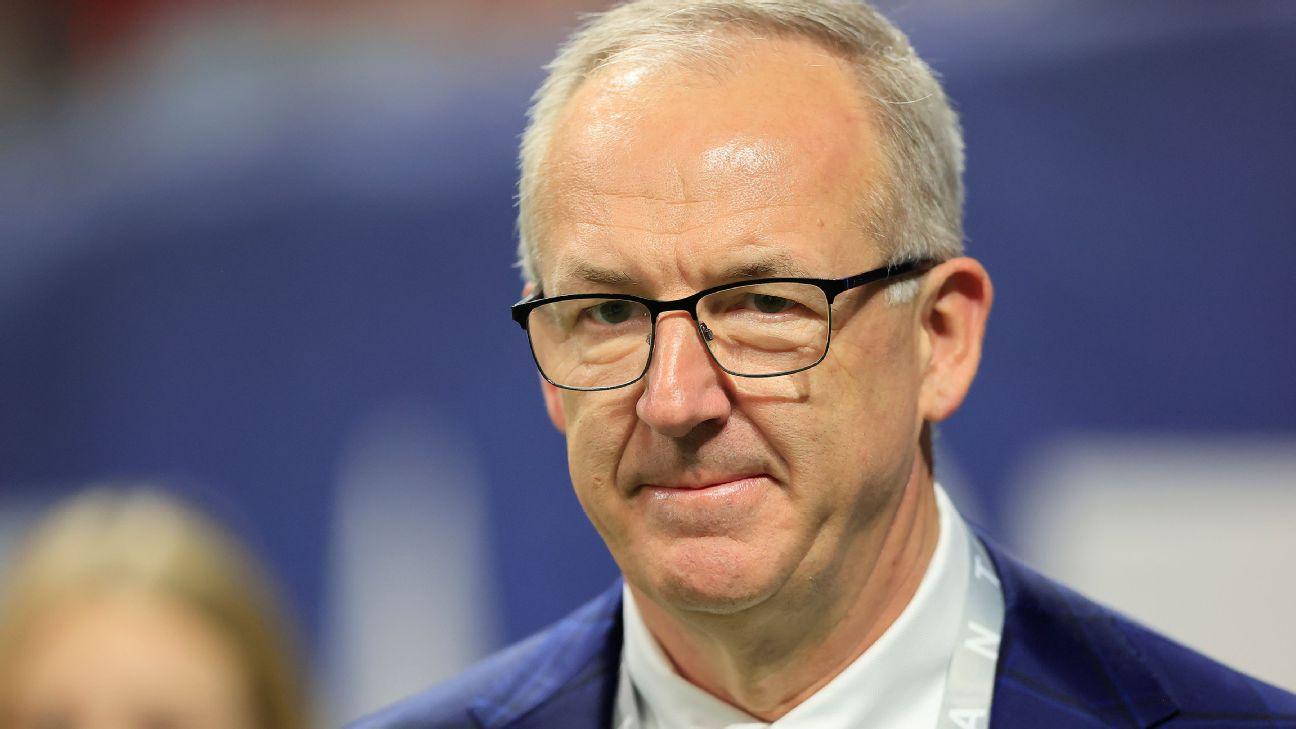
SEC commissioner Greg Sankey sent a memo Friday to league athletic directors and head football coaches outlining the punishment if players continue to fake injuries in games.
"As plainly as it can be stated: Stop any and all activity related to faking injuries to create time-outs," Sankey wrote in the memo, a copy of which was obtained by ESPN.
He ended the memo by writing: "Play football and stop the feigned injury nonsense."
Increasingly over the past few years, coaches have accused opposing teams and coaches of faking injuries to disrupt the rhythm and flow of offenses, especially those that are up-tempo and rarely huddle. Broadcasters have pointed out several obvious cases this season when players flopped to the ground near the sideline claiming to be injured just as the opposing offense was about to snap the ball.
Each play where a fake injury might have occurred must be submitted to the SEC for review. Steve Shaw, the national coordinator of football officiating, will determine what constitutes a fake injury. According to Sankey's memo, those guidelines will range from Shaw determining that a feigned injury has occurred, that it is more likely than not that a feigned injury has occurred, that a player attempted to feign an injury or any other general statement from Shaw establishing the probability of a feigned injury.
Sankey wrote that creating injury timeouts, on offense or defense, is "not acceptable and is disrespectful to the game of football."
Punishments laid out in Sankey's memo include the following: for the first offense, a head coach receives a public reprimand and a $50,000 fine; for the second offense, another reprimand and a $100,000 fine; for a third offense, another reprimand and the coach will be suspended for his program's next game.
Any staff member found to be involved in signaling or directing a player to feign an injury will face the same measures, including financial penalties and a suspension. A player cited for feigning an injury also may be subject to a public reprimand.
Sankey told reporters a few weeks ago at the Oklahoma-Texas game that he was concerned about the growing accusations of faking injuries.
"If somebody's injured, we need to take that seriously," Sankey said. "But creating the questions -- and I mean this all across the country -- needs to stop."
"As plainly as it can be stated: Stop any and all activity related to faking injuries to create time-outs," Sankey wrote in the memo, a copy of which was obtained by ESPN.
He ended the memo by writing: "Play football and stop the feigned injury nonsense."
Increasingly over the past few years, coaches have accused opposing teams and coaches of faking injuries to disrupt the rhythm and flow of offenses, especially those that are up-tempo and rarely huddle. Broadcasters have pointed out several obvious cases this season when players flopped to the ground near the sideline claiming to be injured just as the opposing offense was about to snap the ball.
Each play where a fake injury might have occurred must be submitted to the SEC for review. Steve Shaw, the national coordinator of football officiating, will determine what constitutes a fake injury. According to Sankey's memo, those guidelines will range from Shaw determining that a feigned injury has occurred, that it is more likely than not that a feigned injury has occurred, that a player attempted to feign an injury or any other general statement from Shaw establishing the probability of a feigned injury.
Sankey wrote that creating injury timeouts, on offense or defense, is "not acceptable and is disrespectful to the game of football."
Punishments laid out in Sankey's memo include the following: for the first offense, a head coach receives a public reprimand and a $50,000 fine; for the second offense, another reprimand and a $100,000 fine; for a third offense, another reprimand and the coach will be suspended for his program's next game.
Any staff member found to be involved in signaling or directing a player to feign an injury will face the same measures, including financial penalties and a suspension. A player cited for feigning an injury also may be subject to a public reprimand.
Sankey told reporters a few weeks ago at the Oklahoma-Texas game that he was concerned about the growing accusations of faking injuries.
"If somebody's injured, we need to take that seriously," Sankey said. "But creating the questions -- and I mean this all across the country -- needs to stop."
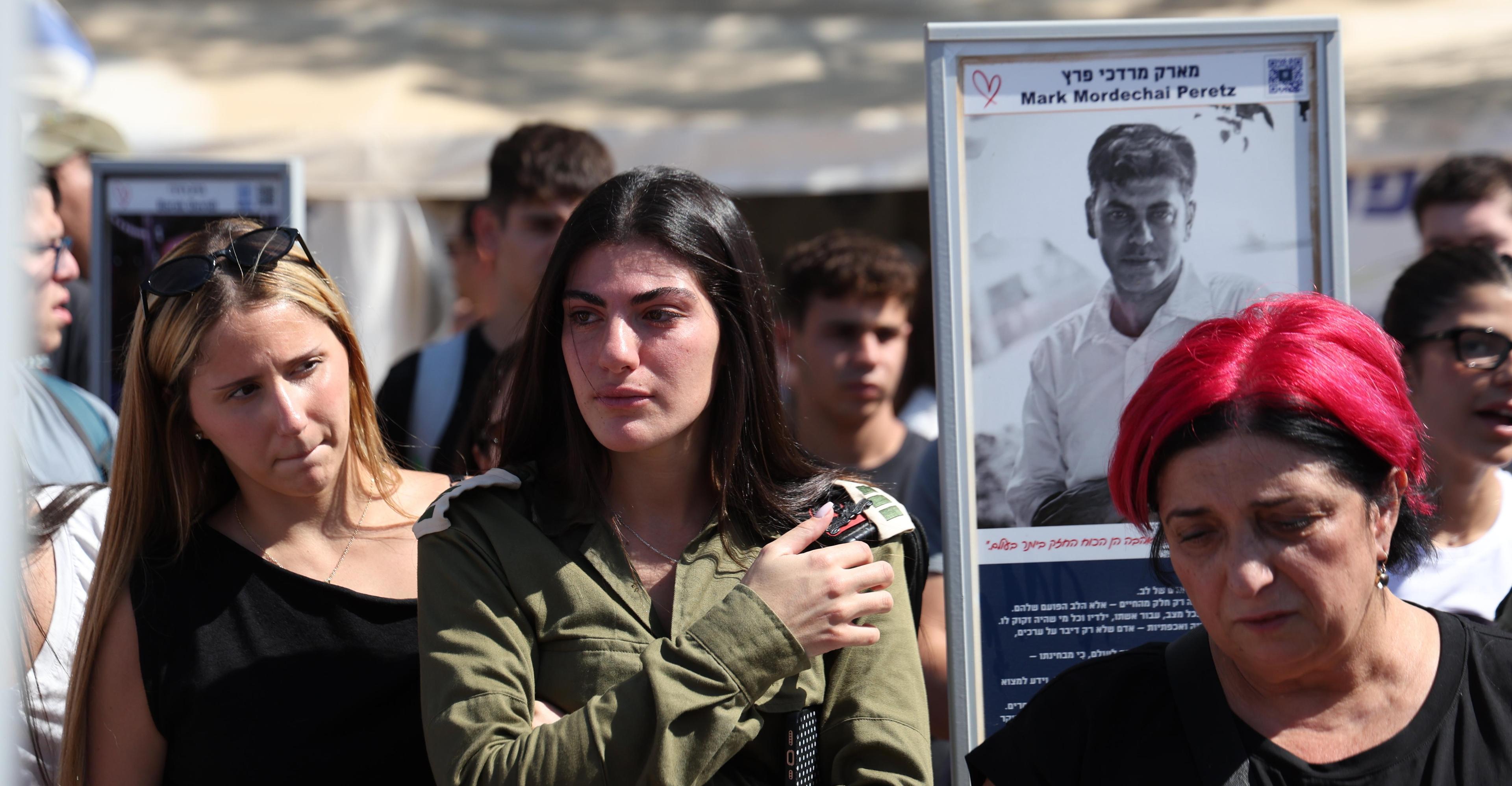
How October 7 changed everything
- a day ago

Is this the cure for Alzheimer’s?
- 4 hours ago

What if making your neighborhood safer means breaking the rules?
- 4 hours ago
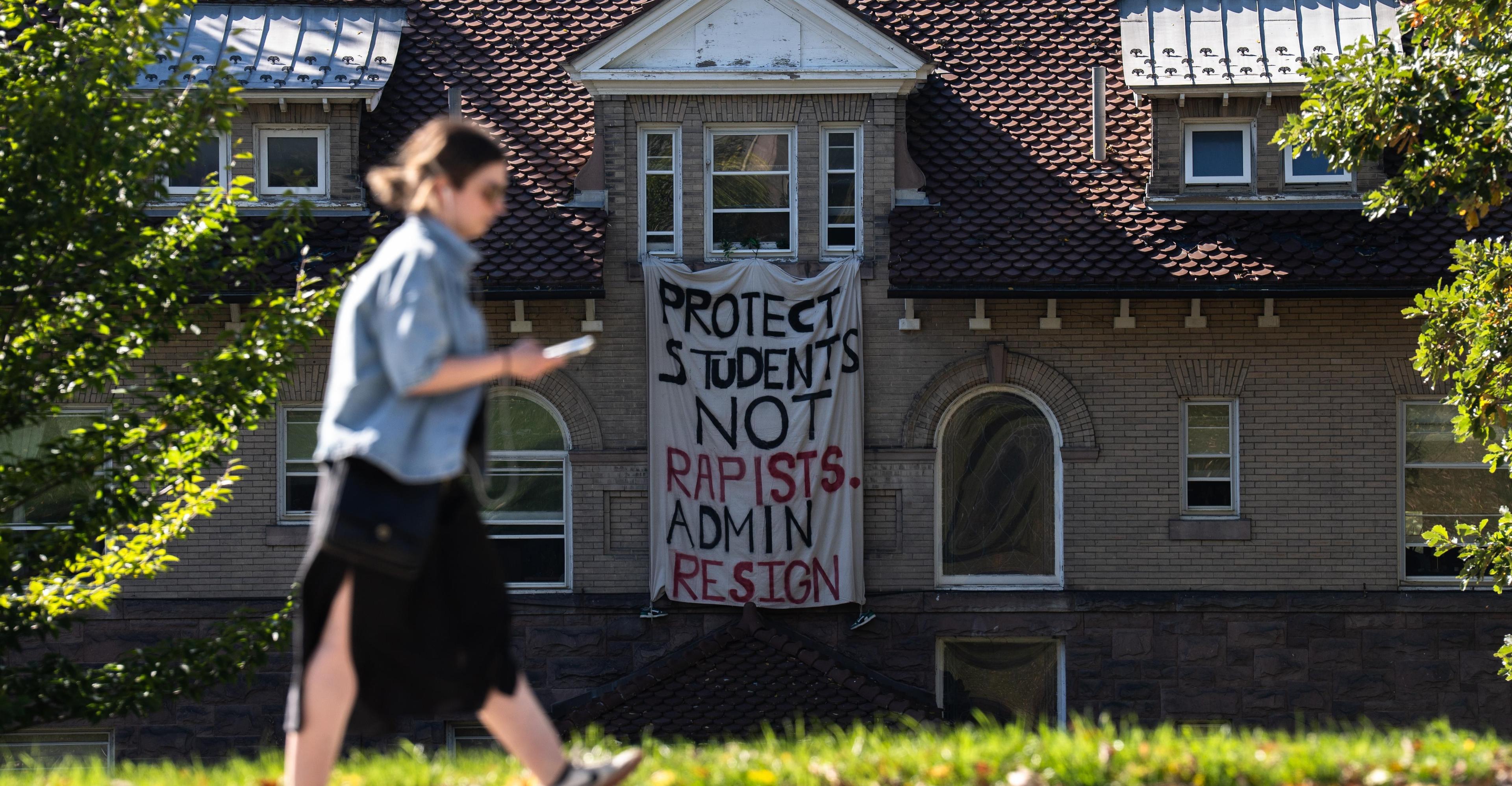
Doxxing Jane Doe
- 21 hours ago
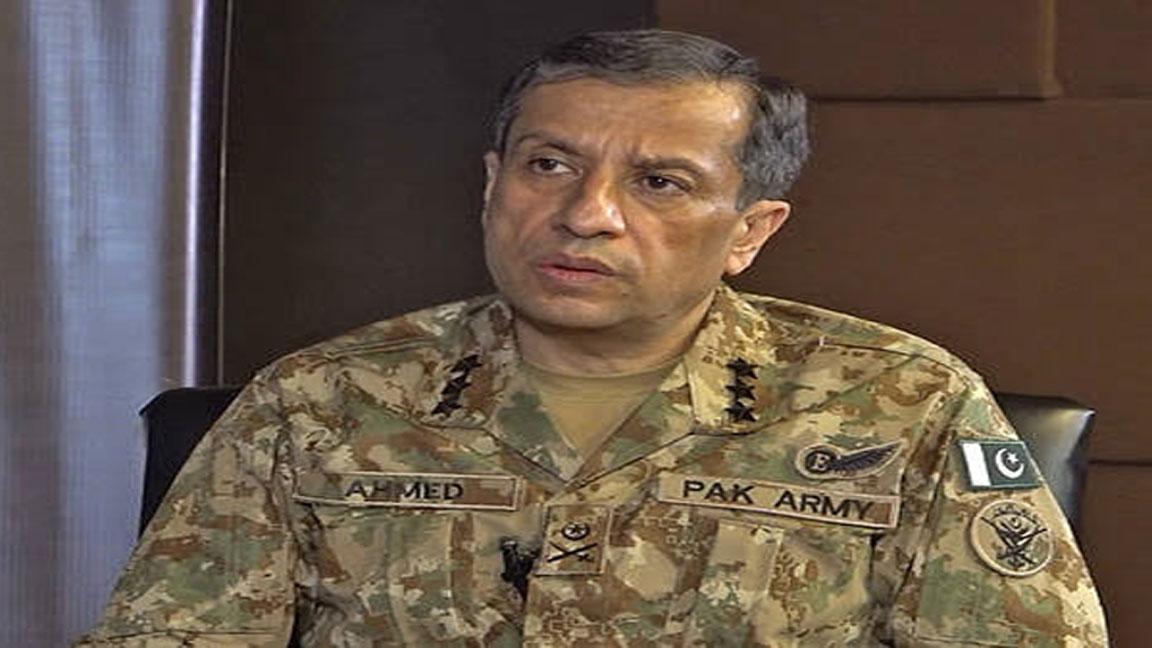
Pakistan committed to peaceful outcome of Iran-US conflict: DG ISPR
- 18 hours ago

Redwoods are natural magic kingdoms. Extreme heat is breaking their spell.
- 19 hours ago

Xbox is launching a new film and TV division
- 6 hours ago

Pilot among three Saudi nationals killed in attacks on Riyadh airport, authorities say
- 13 hours ago

Security forces neutralise seven terrorists in North Waziristan IBO: ISPR
- 19 hours ago
Anthropic bans ‘abusive or cruel behavior’ towards Claude
- 6 hours ago

No one wants to be “Data Center Dave”
- 4 hours ago

World economic growth to slow to 2.6pc in 2026, UN trade body says
- 15 hours ago
You May Like


Trending