US State Dept will work with Dept of Homeland Security to aggressively revoke visas for Chinese students


Washington: US Secretary of State Marco Rubio announced on Wednesday the United States will start ‘aggressively’ revoking visas of Chinese students, including those with connections to the Chinese Communist Party or studying in critical fields.
If applied to a broad segment of the hundreds of thousands of Chinese university students in the United States, the move could disrupt a major source of income for American schools and a crucial pipeline of talent for US technology companies.
President Donald Trump's administration has sought to ramp up deportations and revoke student visas as part of wide-ranging efforts to fulfill its hardline immigration agenda.
In a statement, Rubio said the State Department will also revise visa criteria to enhance scrutiny of all future visa applications from China and Hong Kong.
“The US State Department will work with the Department of Homeland Security to aggressively revoke visas for Chinese students,” he said.
The Chinese Embassy in Washington did not immediately respond to a request for comment.
China's foreign ministry previously vowed to ‘firmly safeguard the legitimate rights and interests’ of its students overseas, following the Trump administration's move to revoke Harvard University's ability to enroll foreign students, many of whom are Chinese.
China is also at the epicenter of Trump's global trade war that has roiled financial markets, upended supply chains, and fueled risks of a sharp worldwide economic downturn. The decision to cancel Chinese student visas comes despite a recent pause in the US-China trade dispute.
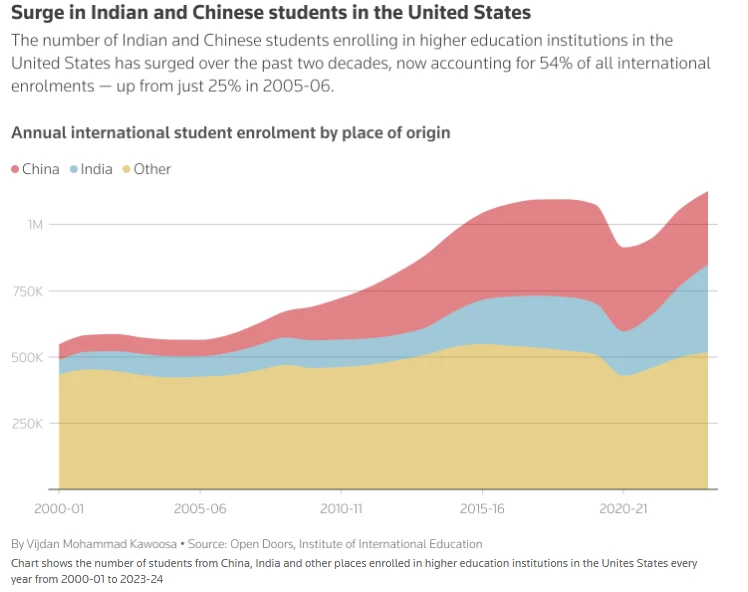
International students - India and China together accounting for 54 percent of them - contributed more than $50 billion to the US economy in 2023, according to the US Department of Commerce.
University Ties to China Under Scrutiny
The State Department has broad authority to issue and revoke visas. The administration last week cited Harvard University's ties to China as among several reasons for revoking its ability to enroll foreign students, a move temporarily blocked by a US judge.
Rubio's statement did not offer details on how extensively the visa revocations would be applied. Even a relatively small number could disrupt the flow of Chinese students seeking out higher education in the US that began in the late 1970s from Communist-governed China.
Recent decades saw the United States become the destination of choice for many Chinese students looking for an alternative to China's intensely competitive university system and drawn to the strong reputation of US schools. Those students typically come from wealthier families able to afford the high cost of US universities.
Many of those have stayed after graduating and have been credited with contributing to American research capacity and the US workforce.
The number of Chinese students in the US dropped to about 277,000 in 2024, however, from a high of around 370,000 in 2019, pulled lower by growing tension between the world's two biggest economies, heightened US government scrutiny of Chinese students, and the COVID-19 pandemic.
As the US-China geopolitical rivalry has escalated into what many analysts consider a new form of cold war, US agencies and Congress have stepped up scrutiny of China's state-sponsored influence and technology transfers at American colleges and universities.
Washington has become increasingly concerned that Beijing uses open and federally funded research environments in the US to circumvent export controls and other national security laws.
Greater scrutiny and uncertainty over visas has led more Chinese students to opt for schools in Europe, and more graduates now return to China to ply their trades.
Yaqiu Wang, a US-based human rights researcher who came to the US from China as a student, said Beijing had indeed taken advantage of US academic openness to engage in espionage and intellectual property theft, but called Rubio's announcement ‘deeply concerning’.
“Broad revocations and blanket bans would not only jeopardize the rights and livelihoods of Chinese students studying and working in the US, but also risk undermining America's long-standing position as the global leader in scientific innovation,” she said.
During Trump's first administration, then Secretary of State Mike Pompeo led a drive to rid US university campuses of Chinese government-funded Confucius Institute cultural centers, saying they worked to advance China's ‘global propaganda and malign influence’ and to recruit ‘spies and collaborators’.
As a result, many US institutions cut ties with the centers.
On Tuesday, Reuters reported the US Department of State had halted new appointments for all foreign student and exchange visitor visa applicants, according to an internal cable.
The Trump administration has expanded social media vetting of foreign students and is seeking to ramp up deportations and revoke student visas as part of wide-ranging efforts to fulfill its hardline immigration agenda.
SOURCE: REUTERS
Florida’s uniquely horrifying death penalty system
- a day ago
Trump’s revenge campaign comes for Ilhan Omar
- a day ago

West Bank settlers brutally attack a Washington Post journalist
- 11 hours ago
Hands-on with the Apple Home Collection
- a day ago
Buying Apple’s wall-mounted HomeView? The mount costs extra
- a day ago

Jodar apologises for swearing at ball kid in Shanghai
- 2 days ago
Cold weather and high prices could flip the Senate
- a day ago
Will November stop Trump’s agenda?
- a day ago
The Ocarina of Time remake feels remarkably modern — and surprisingly terrifying
- 2 days ago

Character.AI files for bankruptcy
- 2 days ago
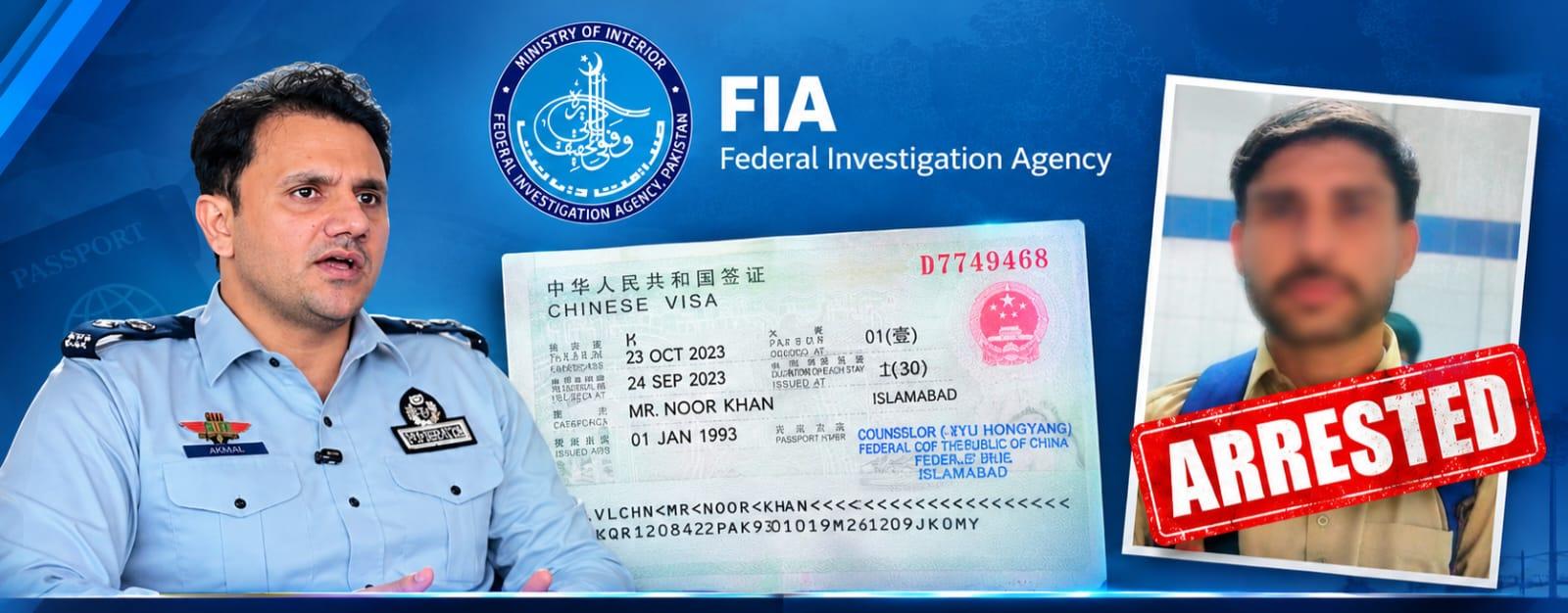
FIA offloads 2 passengers at Lahore airport over fake documents, tampered study visa
- an hour ago
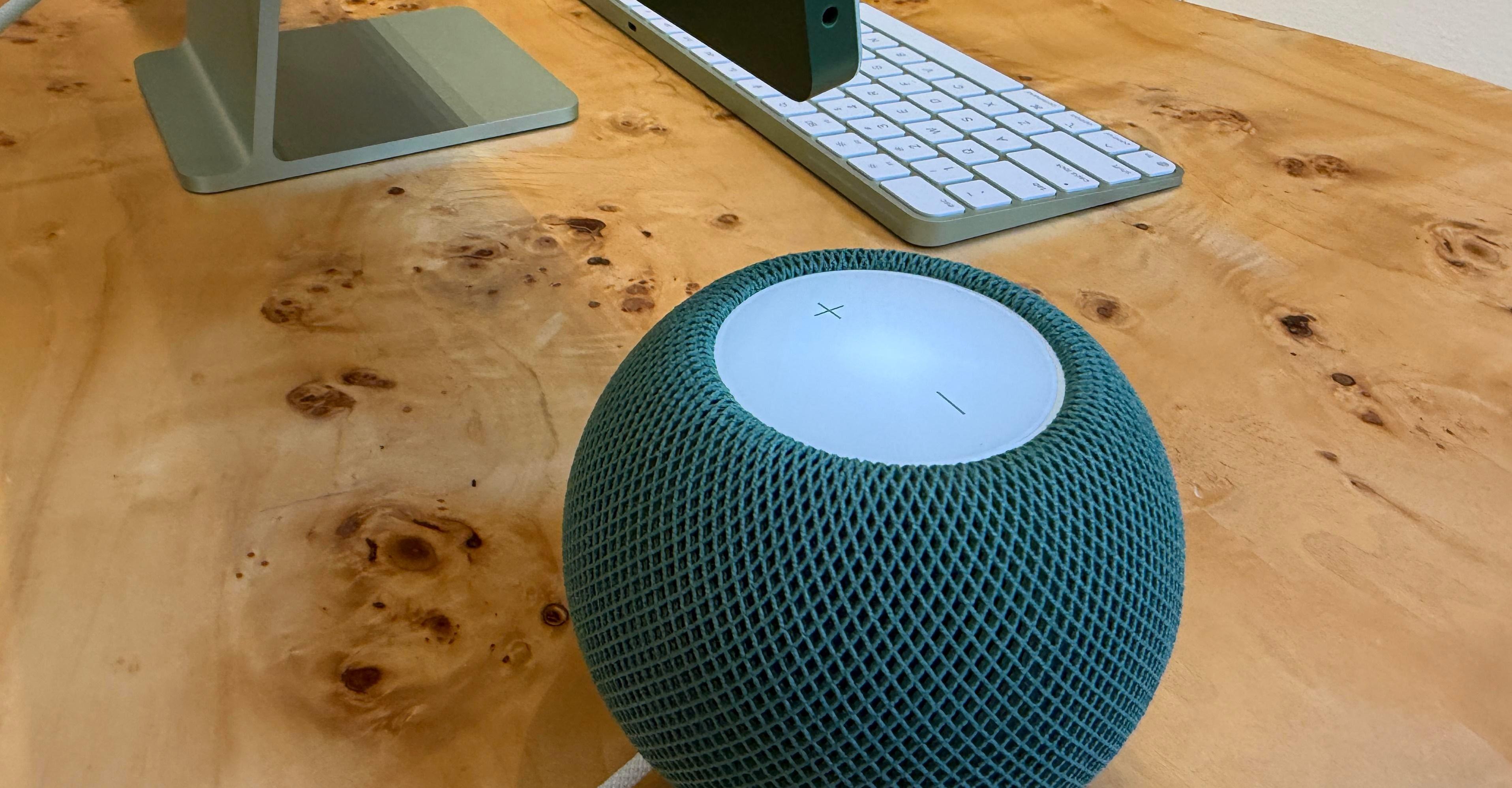
Here are all the new HomePod Mini 2 colors
- 2 days ago