Currently, up to 90 percent of regulatory duty is imposed on some products

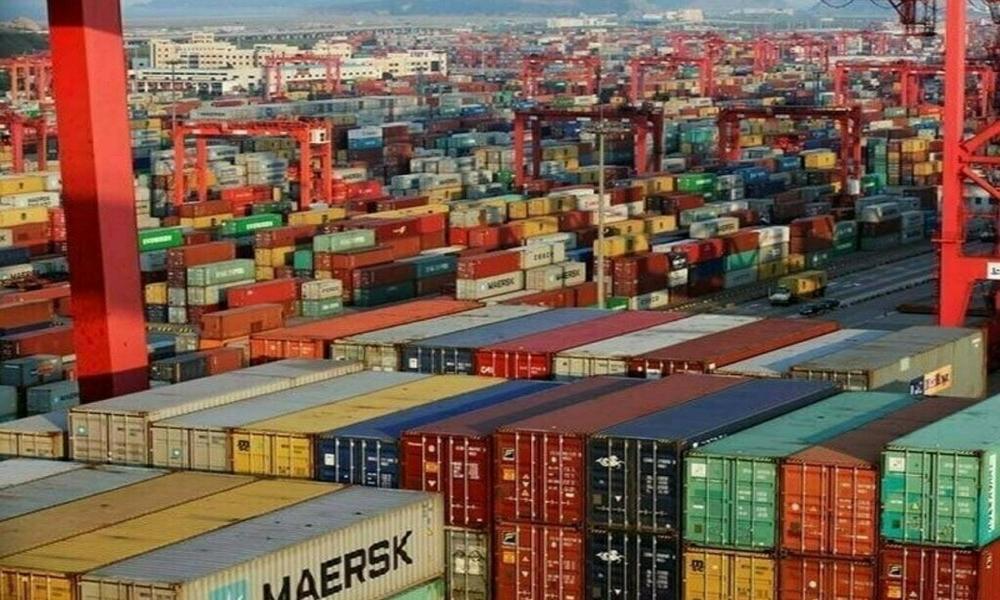
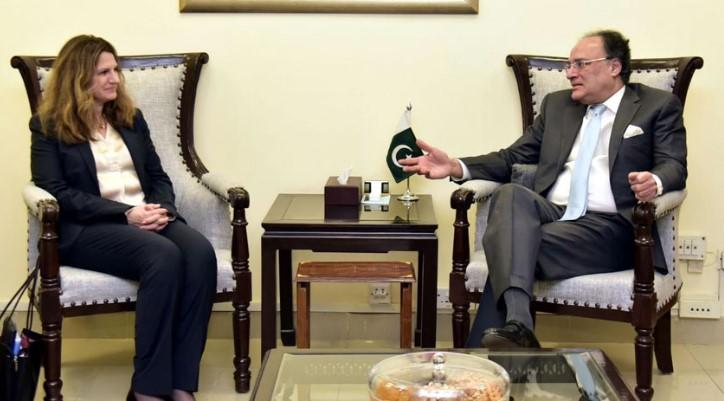
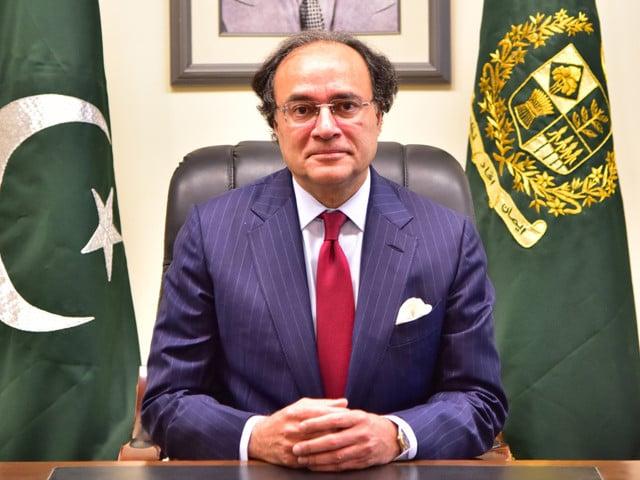
Islamabad: Prime Minister Shehbaz Sharif has approved to reduce duty on over 7,066 tariff lines to promote industrial development in the country, including raw materials, intermediate, and capital goods (goods used in the manufacture of other goods).
According to a media report, the prime minister approved these proposals for formal announcement in the budget speech, which had earlier received the approval of the Tariff Policy Board and the Steering Committee. However, the prime minister has directed that the Implementation Committee identify any possible obstacles before the budget announcement.
It is also reported that the government will announce the abolition of 2 percent Additional Customs Duty (ACD) on 4,294 tariff lines in the upcoming budget, mostly consisting of raw materials, which will reduce the cost of production of industries.
It was also decided that ACD on 545 tariff lines will be reduced from 4 percent to 2 percent, on 2,227 tariff lines from 6 percent to 4 percent, and on all products on which customs duty of more than 20 percent is currently levied. ACD will be reduced from 7 percent to 6 percent.
According to government officials, the most affected will be those products that are included in Chapters 28 to 38, which mostly include chemicals, pharmaceuticals, plastics, etc. The reduction in duty from 2 percent to 4 percent will reduce the cost of all these products.
This reduction will also apply to information technology products, which are included in Chapters 84 and 85 of the Pakistan Customs Tariff. Similarly, import duty will be reduced on polyester filament yarn and HRC products of the steel sector.
According to reports, these proposals had already been approved by the Tariff Policy Board and the Steering Committee, while the Prime Minister has approved the formal announcement in the budget speech. However, he has directed that the Implementation Committee identify possible obstacles before the budget.
Simple structure
In the budget, the government will introduce a simple and understandable structure of customs duty, in which the new duty rates will be kept at 0, 5, 10, 15, and 20 percent. The current rate of 16 percent will be reduced to 15 percent, while the rate of 11 percent will be brought down to 10 percent; the current slab of 3 percent will be abolished, and the relevant products will be included either in zero duty or in the new 5 percent slab.
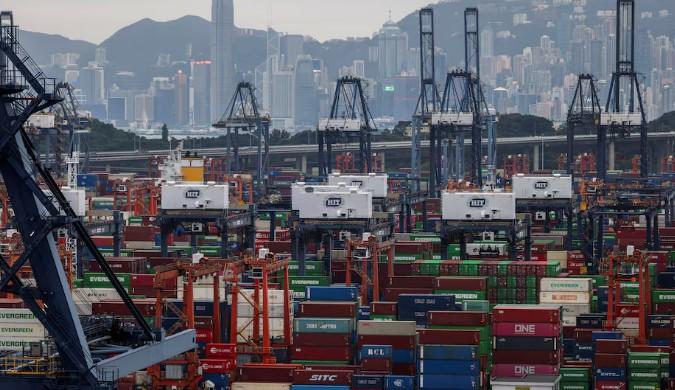
Regulatory duties applicable to various products from 5 percent to 90 percent will be significantly reduced in the upcoming budget, with the plan to completely eliminate these duties in the next 5 years, so that the cost of imports will be reduced and market access will be easier.
Currently, up to 90 percent of regulatory duty is imposed on some products, which will be gradually reduced to a maximum of 30 percent.
The Fifth Schedule of Customs, under which tariff concessions were given to specific industries, is being abolished. Now these items will be shifted to the First Schedule in a phased manner. According to a government official, the upcoming budget does not include any changes in the tariff structure that would harm the interests of any particular industry.
Consultation with stakeholders
Prime Minister Shehbaz Sharif has directed the steering committee to start regular consultations with major industrial sectors such as auto, iron and steel, textiles, chemicals, and plastics after the announcement of the budget, as these sectors currently enjoy effective tariff protection ranging from 100 percent to 150 percent.
According to officials, the committee will recommend a unified tariff reduction for these sectors after consulting all relevant stakeholders. The Prime Minister said that his government’s priority is to promote an export-led growth strategy rather than import substitution.
The Prime Minister has agreed to the overall plan for the phased reduction of tariff protections for selected industries.
Under the approved plan, the government has set a target of reducing the simple average tariff from the current 19 percent to 9.5 percent over the next five years. For this purpose, the tariff slabs will be reorganized and a new system will be introduced in place of the current slabs of 0, 3, 11, 16, and 20 percent, which will have rates of only 0, 5, 10, and 15 percent.
By the end of the five-year implementation period, this tariff reform will result in a maximum duty slab of 15 percent and will have a significant impact on industries that are currently paying more than 20 percent duty, especially the auto industry.
Currently, additional customs duties of 2, 4, 6, and 7 percent are applicable on various slabs, which will be phased out to zero over the next 3 to 4 years.

Musk says will give SpaceX share to 'every kid in America'
- a day ago
Security of Haramain al-Sharifain non-negotiable: DG ISPR
- a day ago

Jesse Eisenberg, Julianne Moore bring curtain down on London Film Festival with 'The Debut'
- 6 hours ago
UK to deploy RAF Typhoon jets to defend Saudi cities from Houthi attacks
- 6 hours ago
FinMin Aurangzeb reaffirms commitment to export-led economic growth
- 6 hours ago
CDF Munir arrives in Tehran for talks with senior Iranian officials
- 4 hours ago
Field Marshal, Saudi envoy discuss regional security dynamics
- a day ago

Army officer martyred, four terrorists killed in Balochistan operations: ISPR
- a day ago
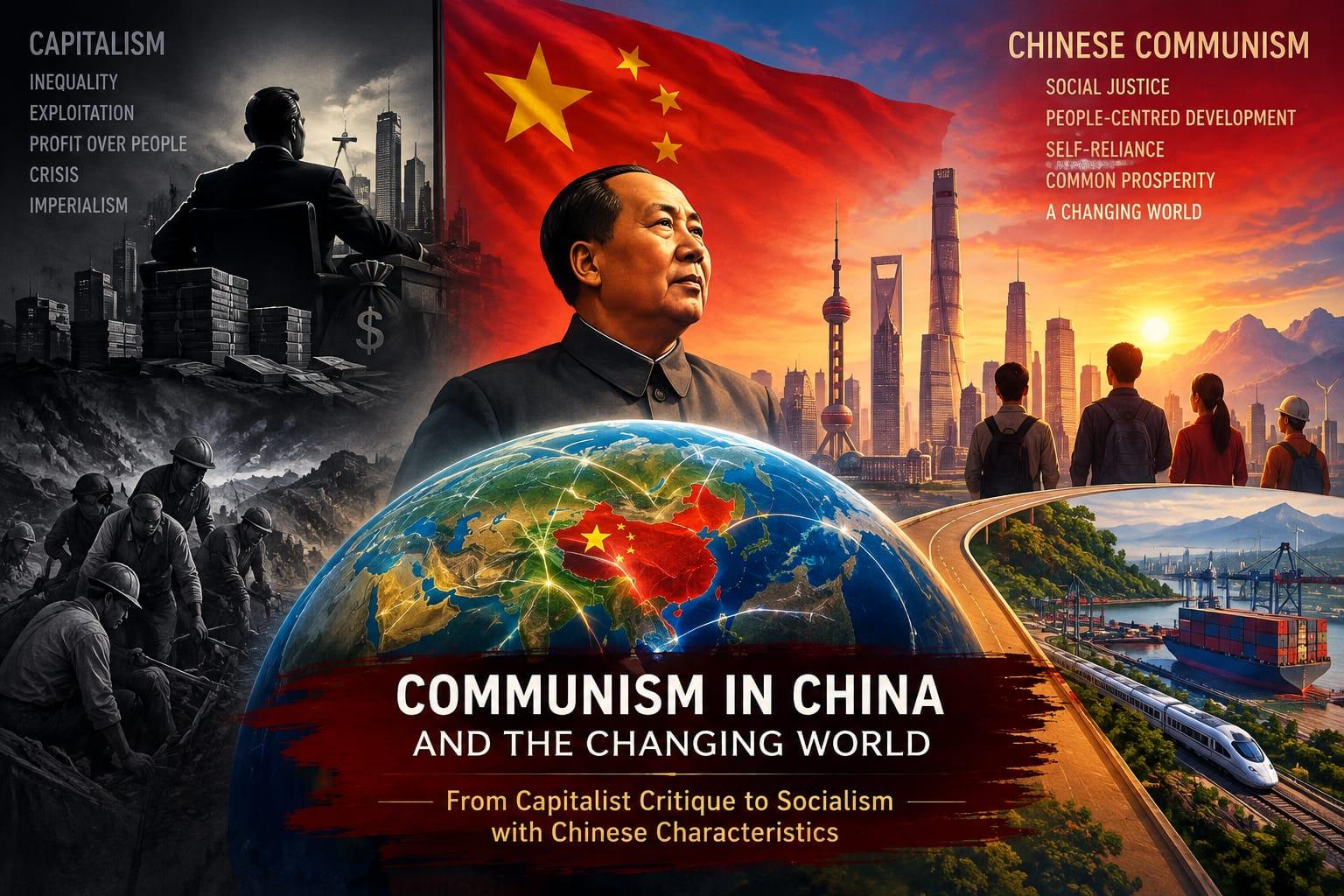
Communism in China and the changing world: from capitalist critique to socialism with Chinese characteristics
- a day ago
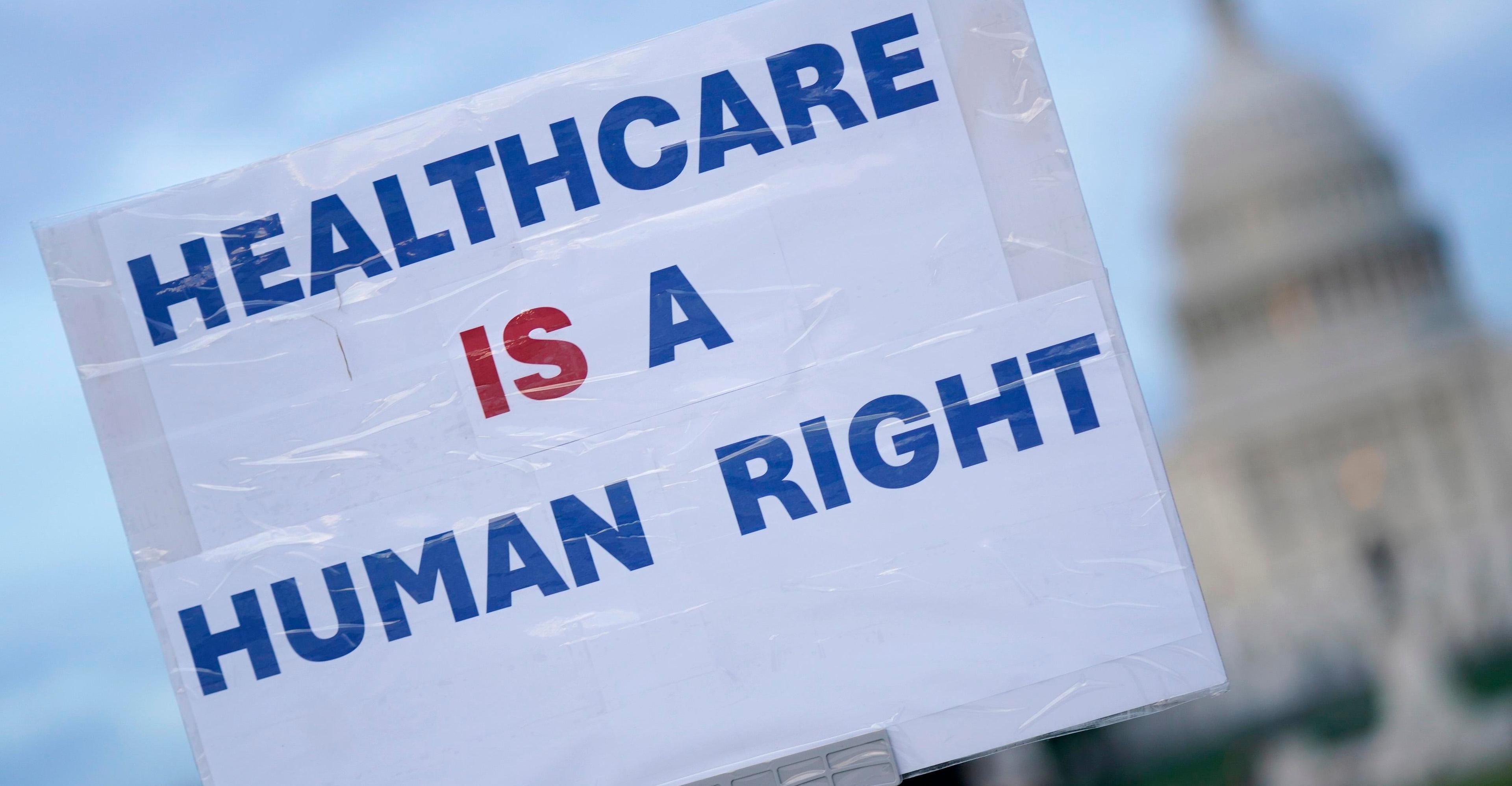
Can this Democrat crack the code for universal healthcare?
- 6 hours ago
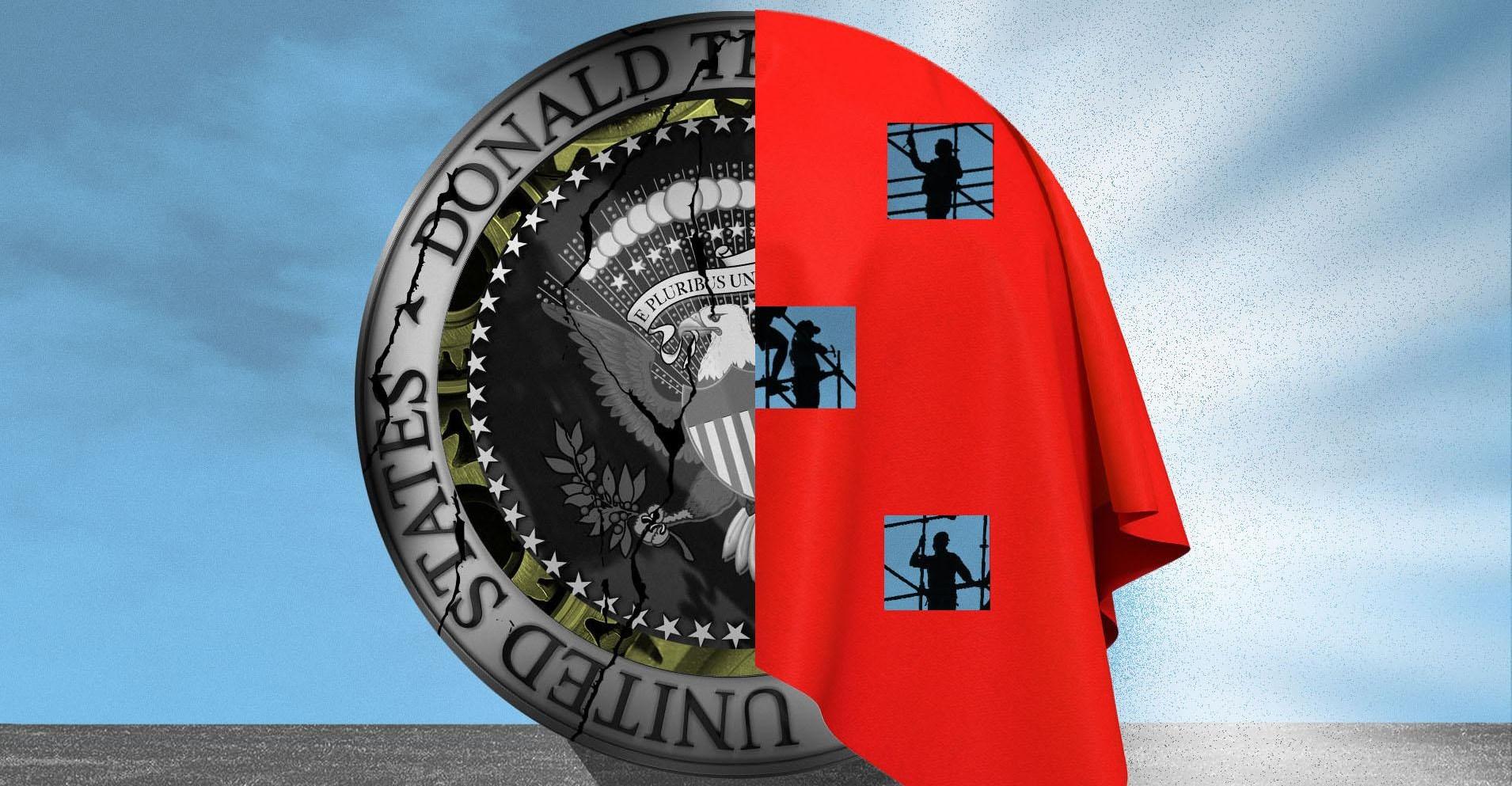
The radical Democratic plan to change the government for good
- 6 hours ago

Bollywood actor Tiger Shroff shot at in Mumbai, three suspects held: police
- a day ago