On Thursday, the Supreme Court handed down a raft of mostly unanimous opinions, three of which reached a conservative outcome despite the fact that they were each written by Democratic justices. Sometimes, the law in a case is clear. Ames v. Ohio Department o…

Published a year ago on Jun 7th 2025, 7:00 am
By Web Desk
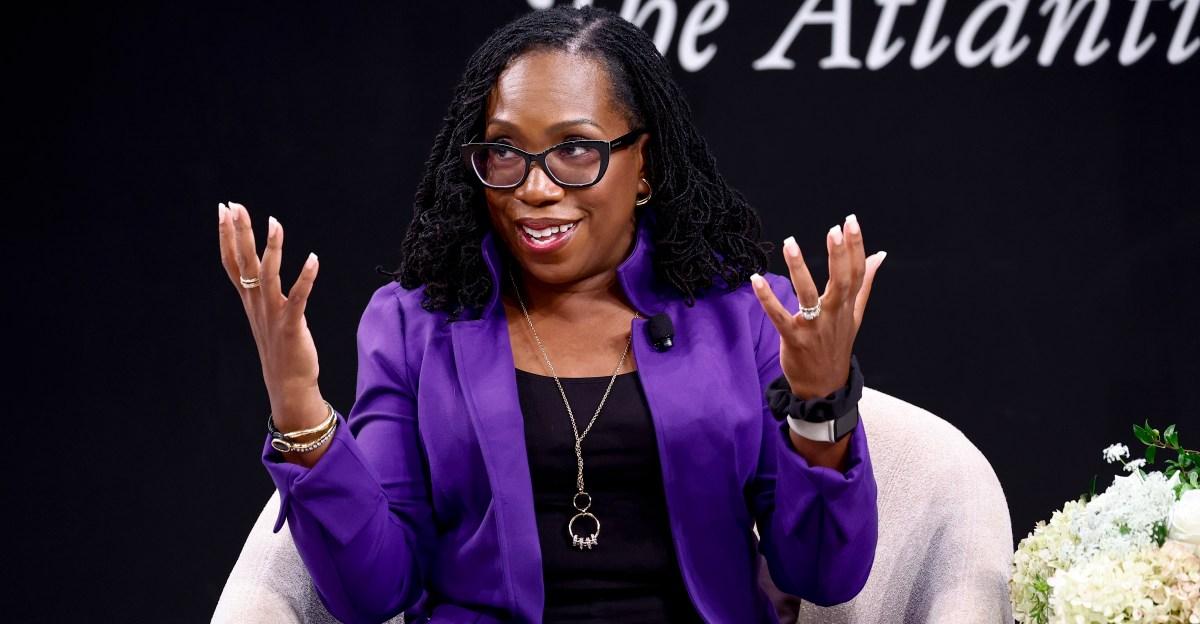
On Thursday, the Supreme Court handed down a raft of mostly unanimous opinions, three of which reached a conservative outcome despite the fact that they were each written by Democratic justices. Sometimes, the law in a case is clear.
Ames v. Ohio Department of Youth Services, authored by Biden-appointed Justice Ketanji Brown Jackson, was the first of these three cases. It involved a clearly illegal “background circumstances” rule. This rule imposes a slightly higher burden on members of majority groups — such as white people, straight people, or Christians — who allege workplace discrimination compared to members of minority groups who bring similar claims.
As Jackson writes in her opinion, this disparate treatment of majority-group plaintiffs is not allowed. She quotes the Supreme Court’s opinion in McDonald v. Santa Fe Trail Transportation Co. (1976), which held that the federal law governing employment discrimination prohibits “racial discrimination in private employment against whites on the same terms as racial discrimination against nonwhites.”
The plaintiff in Ames alleged discrimination based on sexual orientation, rather than race. Marlean Ames is a straight woman who was passed over for a promotion that was ultimately filled by a lesbian candidate. She was later demoted and replaced in her previous role by a gay man. She claims that she was discriminated against because she is straight.
Neither the lower courts that heard this case nor the Supreme Court, however, actually determined whether Ames is a victim of anti-straight discrimination. Instead, both the trial court and an appeals court, the United States Court of Appeals for the 6th Circuit, ruled against Ames because of an unusual rule applied by the 6th Circuit and a few other courts.
Under this rule, the plaintiff loses their case unless they can show, at a fairly early stage, “background circumstances to support the suspicion that the defendant is that unusual employer who discriminates against the majority.” This obligation applies only to majority-group plaintiffs.
This rule is not consistent with federal law. In addition to quoting the McDonald opinion, Jackson also quotes the law banning workplace discrimination, which makes it illegal “to fail or refuse to hire or to discharge any individual, or otherwise to discriminate against any individual with respect to his compensation, terms, conditions, or privileges of employment” due to factors including race, religion, sex, and more.
This language treats all plaintiffs exactly the same, regardless of their majority or minority status. In Jackson’s words, “by establishing the same protections for every ‘individual’ — without regard to that individual’s membership in a minority or majority group — Congress left no room for courts to impose special requirements on majority-group plaintiffs alone.”
Indeed, Ames is such a straightforward case that it is baffling that the 6th Circuit’s “background circumstances” rule, which has existed in some courts since 1981, survived as long as it did. McDonald, after all, has been the law for nearly half a century, and it was decided before any lower court embraced the “background circumstances” rule.

Two US cities could soon ban one of the world’s most controversial foods
- a day ago
National Assembly passes resolution endorsing federal govt's imposition of emergency, governor's rule in KP
- 14 hours ago

I only bought Pokémon Legends: Z-A during Prime Day, and it’s still on sale
- a day ago

Tim Cook says ‘I’m not meddling’ in the new Apple CEO’s business
- a day ago

Gold prices decline after one day's increase in Pakistan
- 12 hours ago

Nobel Peace Prize winner Navi Pillay blasts Trump's 'unlawful' sanctions against ICC
- 9 hours ago

The liver transplant system tried to fix its sex bias. Did it work?
- a day ago

Anthropic launches free AI security scans for open-source projects
- a day ago
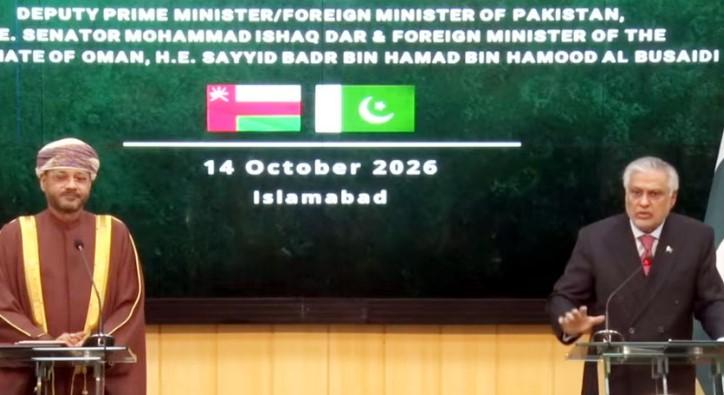
Pakistan, Oman vow to expand bilateral cooperation in multiple fields
- 11 hours ago

Hands-on with Amazon’s Alexa Tablet 12 Pro and its wild new matte display
- a day ago

Saudi-led coalition orders evacuation of Yemen oil facility in Sanaa ahead of operation
- a day ago
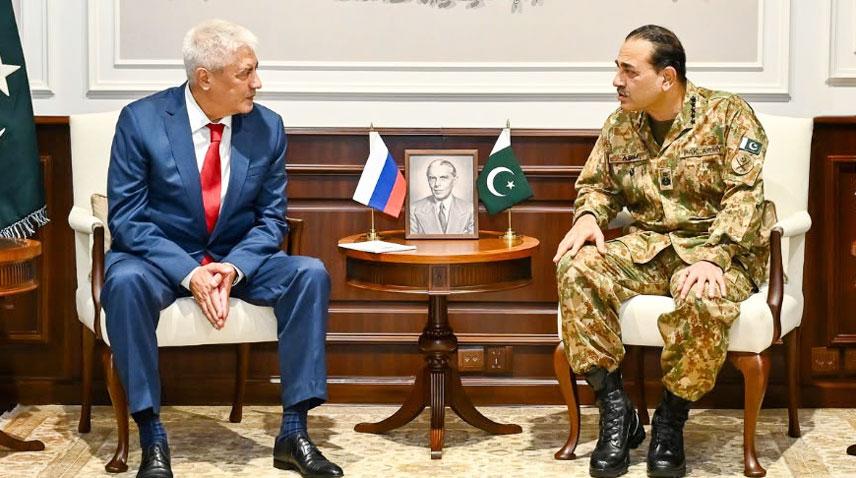
CDF Munir reaffirms resolve to strengthen Pakistan-Russia ties
- 9 hours ago
You May Like




Trending