Jane Goodall, one of the most influential environmental figures in human history, has died at 91 while doing what she’s done for most of her later years — touring the country to deliver an urgent message about nature and human existence. Goodall, who revoluti…

Published ایک سال قبل on اکتوبر 3 2025، 7:00 صبح
By Web Desk
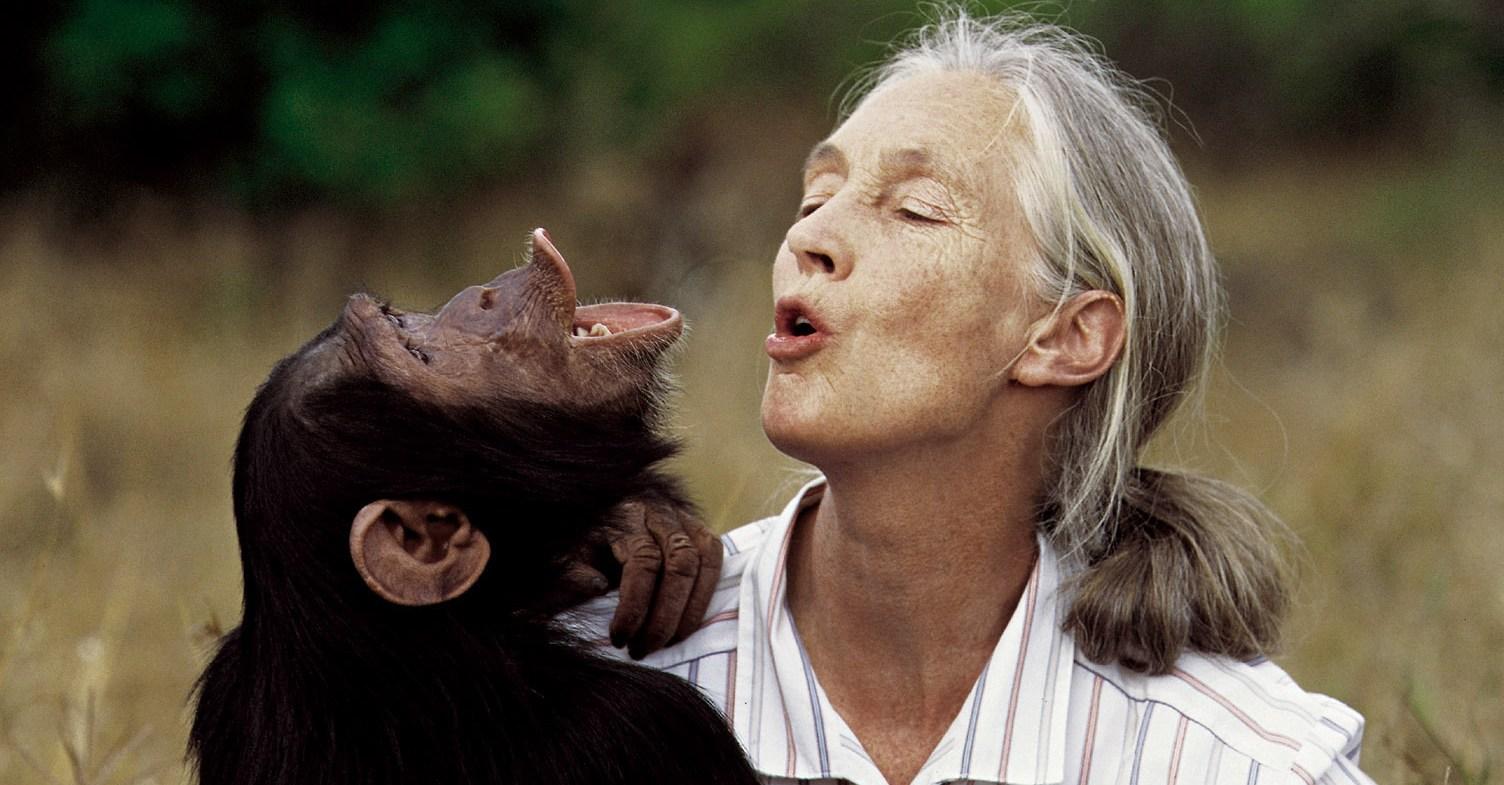
Jane Goodall, one of the most influential environmental figures in human history, has died at 91 while doing what she’s done for most of her later years — touring the country to deliver an urgent message about nature and human existence.
Goodall, who revolutionized what we know about chimpanzees and animal intelligence, was interviewed as recently as last week, during New York City Climate Week. And her message was clear, consistent, and timely.
“It seems these days everybody is so involved with technology that we forget that we’re not only part of the natural world, we’re an animal like all the others,” Goodall, founder of the Jane Goodall Institute, a conservation group, said last week during the Forbes Sustainability Leaders Summit in NYC. “We’re an animal like all the others. But we depend on it for clean air, water, food, clothing — everything.”
And yet — “We’re destroying the planet,” she said.
[Image: Jane Goodall poses with “Mister H,” a stuffed animal mascot she often brings to her speaking engagements. https://platform.vox.com/wp-content/uploads/sites/2/2025/10/GettyImages-2178397611.jpg?quality=90&strip=all]
In a separate conversation with the Wall Street Journal last week, Goodall said the problem is the pernicious idea that economic development should come before the environment. In reality, we’re on a planet with finite resources, and if we exhaust them, it could spell our own end. “Humans are not exempt from extinction,” Goodall said in the Wall Street Journal’s podcast, The Journal.
One of the most compelling messages from her last interviews is that while we’re the most “intellectual animals” to ever walk the planet, “we’re not intelligent,” said Goodall, who’s an expert in animal behavior. “Because intelligent creatures don’t destroy their only home.”
Ultimately, she said, it’s that intellect that gives us the best shot at saving ourselves and the planet. That’s what’s ushered in solutions to living in greater harmony with the natural world, Goodall said, including renewable energy and plant-based foods. She emphasized that we know what’s killing the planet: industrial agriculture, including livestock, and burning fossil fuels.
[Media: https://www.youtube.com/watch?v=RCbcF-ePDzA]
“We have a window of time,” Goodall, who’s authored more than two dozen books, said in The Journal. “But it’s not a very big window. If we don’t change the way we do things, the way we develop economically, then it will be too late.”

FBI, US Agriculture Department breached by hackers: reports
- 10 hours ago

PCB announces central contracts for 38 men's cricketers with key players absent
- 12 hours ago
ChatGPT can transcribe as you speak now with Live Dictation
- 15 hours ago
Teachers are reeling from an existential crisis. You’re probably feeling it too.
- 13 hours ago

Oh, Elon Musk is ‘moderate’ now, is he?
- 15 hours ago

Canva adds an AI ‘off’ button
- 15 hours ago

How Uruguay built a national care system from the ground up
- 13 hours ago
FCC greenlights rule allowing prisons to jam cellphone signals
- 15 hours ago
EU proposes tax on Big Tech to boost budget
- 7 hours ago

Pakistan-Indonesia joint exercise 'Elang Strike-III' concludes at Pabbi
- 13 hours ago
Zelensky reaffirms Ukraine's wish to join NATO
- 7 hours ago
What makes Americans feel financially ready to have kids? It’s complicated.
- a day ago
You May Like

Trending