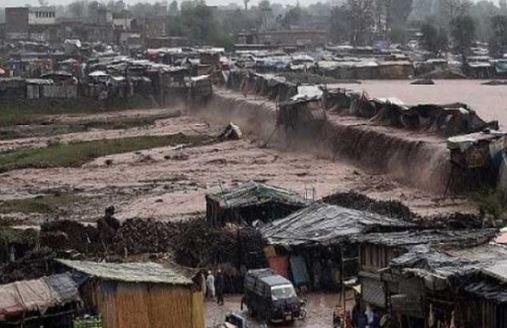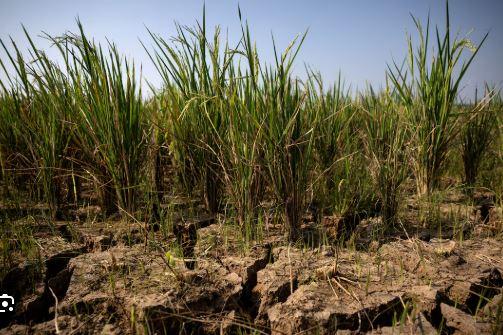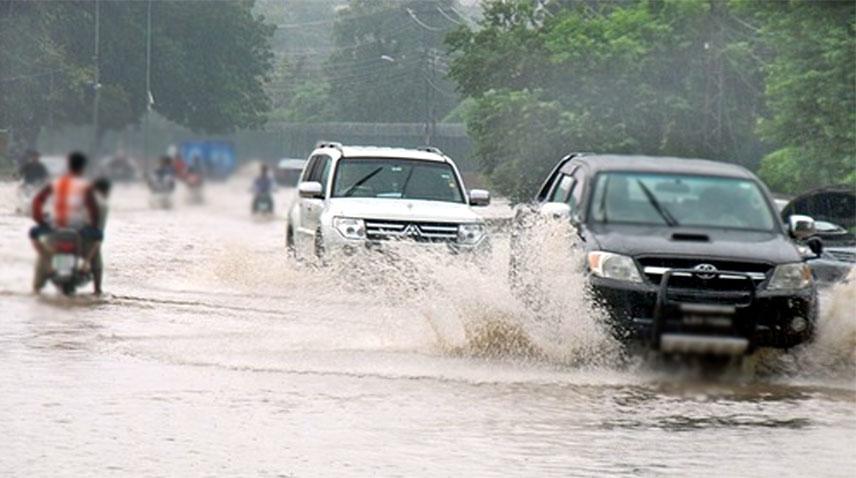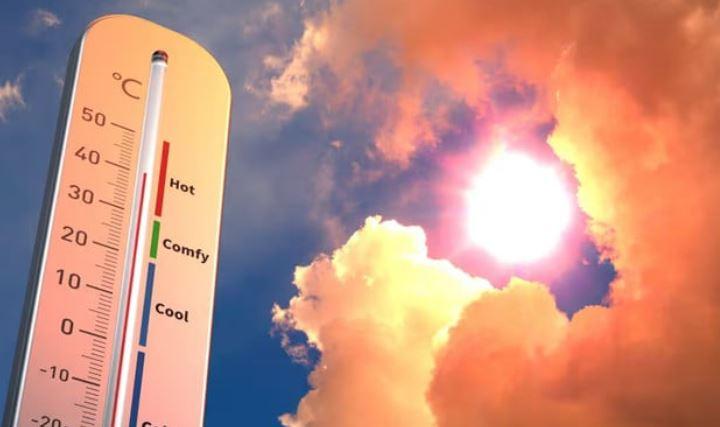
According to a recent briefing by experts from the NDMA, May and June will be far hotter than normal, while the chances of heatwaves and drought have already increased even before the monsoon

By Zulqarnain Rana
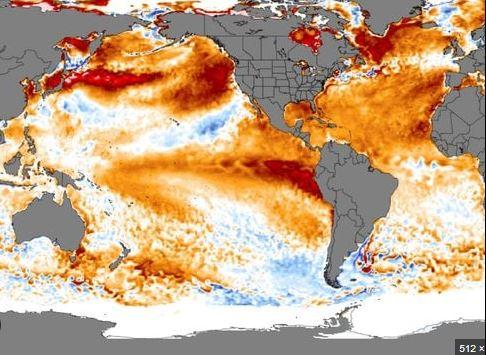
Pakistan is entering a climate phase where threats are no longer limited to forecasts. They are becoming ground reality. The re-emergence of Super El Niño after 11 years is a serious warning for the region, and its effects are already being felt.
According to a recent briefing by experts from the National Disaster Management Authority (NDMA), May and June will be far hotter than normal, while the chances of heatwaves and drought have already increased even before the monsoon.
As a reporter, when I assessed the ground situation across different areas of the provincial capital, Lahore, this threat appeared not as a scientific term but as part of people’s daily lives.
In simple terms, El Niño is the process of abnormal warming of water in the central and eastern Pacific Ocean. But its effects impact weather systems worldwide. When it intensifies, it is called Super El Niño, and this is the stage where global temperatures rise abnormally. A key factor in the current situation is climate change driven by human activity.
Rising greenhouse gas emissions have already increased the Earth’s temperature, and when natural factors like El Niño add to it, the results become far more severe.
Pakistan ranks among the countries most affected by climate change, even though its share in global emissions is negligible. This contradiction makes the crisis more complex. Our country already faces water scarcity, and in many areas groundwater levels have dropped to dangerous levels. The situation is more alarming in southern Punjab, Sindh, and Balochistan, where declining rainfall and rising temperatures are happening simultaneously.
The situation regarding heatwaves is particularly concerning. A few years ago, extreme heat was considered an unusual event, but now it is becoming a consistent trend. This year too, the intensity of heat since April has been far above normal, a clear sign that the coming months could be harsher. In urban areas, concrete jungles, shrinking tree cover, and rising pollution worsen the heat, a phenomenon experts call the “Urban Heat Island” effect.
The emergence of events like “heat bursts” in Multan indicates that abnormal changes are occurring in the climate system. This is a process where dry, hot air suddenly descends toward the ground, abruptly raising nighttime temperatures and affecting humans, animals, and crops.
Super El Niño’s effects are not limited to the environment. They deeply impact human health. According to the World Health Organization, extreme heat disrupts the body’s temperature regulation system, causing dangerous conditions like heat exhaustion and heatstroke. During heatstroke, body temperature can exceed 40°C, which can be fatal. Dehydration, heart conditions, respiratory issues, and kidney problems also increase.
Doctors say children, the elderly, pregnant women, and those with pre-existing illnesses are at greatest risk. Health experts note that prolonged heat also causes mental stress, fatigue, and sleep deprivation, affecting overall health.
For prevention, medical experts emphasize a few basic precautions. The most important is increased water intake to avoid dehydration. Avoid unnecessary outdoor activity during midday, wear light and loose clothing, and spend more time in shaded or cool places. Experts say electrolyte drinks are also beneficial, while children and the elderly need special attention.
Experts also advise seeking immediate medical help if symptoms like dizziness, high fever, nausea, or fainting appear, as these can indicate heatstroke.
The risk of drought is also rising due to Super El Niño. Experts say this trend can weaken the monsoon, reducing rainfall and worsening water shortages. This will directly impact agriculture, food production, and the economy. If the situation intensifies, Pakistan could face losses of 10 to 12 trillion rupees in agriculture and other economic sectors.
These factors are combining into a crisis that affects the environment, health, and the economy alike. As a reporter, looking at ground realities and scientific evidence, it is clear that climate change is no longer a distant threat but a present reality.
It must be said: Super El Niño is not just a weather event. It is a clear warning. If its impacts are not taken seriously, the situation could become even more severe in the coming years. Human health, water resources, agriculture, and the economy are all links in the same chain, and the pressure on that chain is now felt more than ever.
-- The writer in investigative journalist working with GNN TV and covering issues concerning health, education and environment
Bahrain praises professionalism of Pakistan Armed Forces
- 18 hours ago

Doxxing Jane Doe
- 2 hours ago

How October 7 changed everything
- 9 hours ago

Bollywood actor Nana Patekar passes away at 75
- a day ago

The rise of gas station opioids
- 9 hours ago

The cruelty of a beloved American pastime
- 9 hours ago
Pakistan on frontlines of climate chaos despite minimal emissions: UN chief
- 20 hours ago
The Cornell case, explained
- a day ago

The two athletes in every horse race
- a day ago

Will Trump’s diesel order do anything?
- a day ago
Pakistan, Bahrain to enhance cooperation in diverse sectors
- 20 hours ago

Pakistan, IMF reach staff-level agreement for $1.2bn tranche
- a day ago