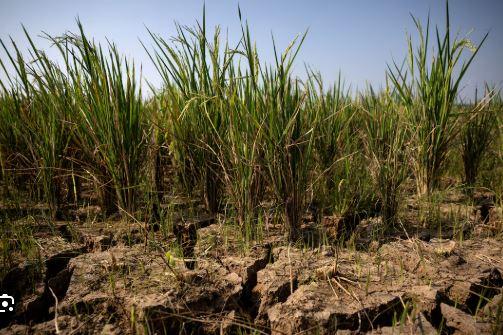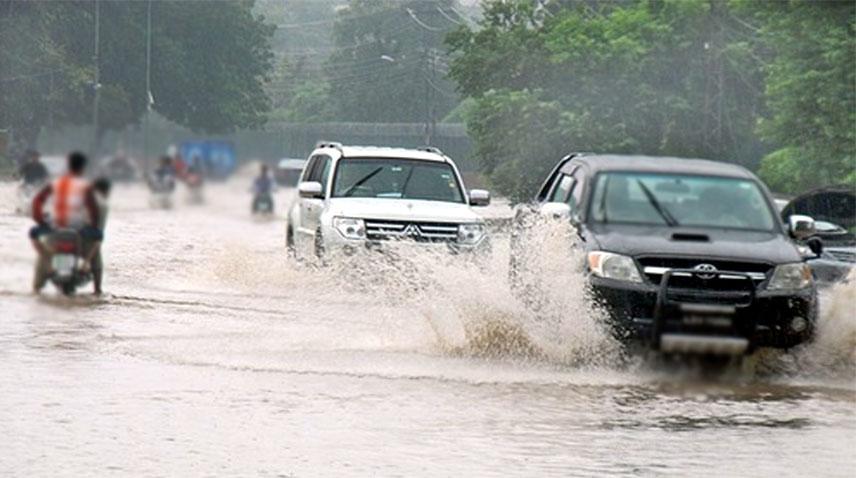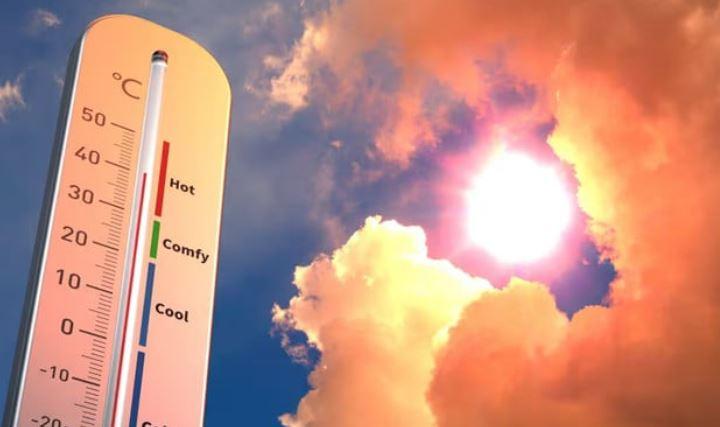
The United Nations’ weather and climate agency said El Nino conditions were likely as early as the May to July three-month window


AFP: The warming El Nino weather phenomenon, which pushed global temperatures to record highs the last time around, is expected back in the middle of this year, the UN said Friday.
The United Nations’ weather and climate agency said El Nino conditions were likely as early as the May to July three-month window.
The World Meteorological Organization (WMO) meanwhile said early signs indicated a strong event.
El Nino is a naturally-occurring climate phenomenon that warms surface temperatures in the central and eastern equatorial Pacific Ocean. It brings changes in winds, pressure and rainfall patterns.
Conditions oscillate between El Nino and its opposite La Nina, with neutral conditions in between.
The last El Nino contributed to making 2023 the second-hottest year on record and 2024 the all-time high.
An El Niño event is expected from mid-2026, impacting global temperature & rainfall patterns, according to WMO's global seasonal climate update. Models indicate that this may be a strong one!
— World Meteorological Organization (@WMO) April 24, 2026
More details ? https://t.co/zQDJ6uWGJE pic.twitter.com/bqdt9uIaRr
“After a period of neutral conditions at the start of the year… there is high confidence in the onset of El Nino, followed by further intensification,” said Wilfran Moufouma Okia, the WMO’s climate prediction chief.
“Models indicate that this may be a strong event — but… forecast confidence generally improves after April.” El Nino typically occurs every two to seven years and lasts around nine to 12 months.
The WMO said its latest monthly Global Seasonal Climate Update showed a clear shift in conditions in the equatorial Pacific.
Sea surface temperatures are rising rapidly, “pointing to a likely return of El Nino conditions as early as May-July”, it said.
Forecasts indicate a “nearly global dominance of above-normal land surface temperatures” in the next three months.
“There is no evidence that climate change increases the frequency or intensity of El Nino events,” the Geneva-based WMO said.
“But it can amplify associated impacts because a warmer ocean and atmosphere increases the availability of energy and moisture for extreme weather events such as heatwaves and heavy rainfall. “

Google Fi is bringing back multiple cell network support for better coverage
- an hour ago

Sharge’s eye-catching MacBook charger is over 25 percent off
- a day ago

Creatine is everywhere. What does science actually say?
- 8 hours ago

How science informs author Emily St. John Mandel’s fiction
- 8 hours ago

Sony’s latest Pulse wireless headset packs planar magnetic drivers at a good price
- an hour ago

Reddit wants to guide your next purchase
- 10 hours ago

Seagate’s FireCuda Forge moves your data between a hard drive and SSD for better performance
- 10 hours ago
What to know about the Republican-led effort to impeach Pete Hegseth
- 8 hours ago

Google’s Pixel Tag tracker is now available
- a day ago

Peak Design’s Roller Lite Carry-On is bigger on the inside — and cheaper, too
- 10 hours ago

How the 7 healthcare workers who just got elected to Congress plan to fix our broken system
- 8 hours ago

Aura’s next color E Ink photo frame is smaller, cheaper, sharper, and more colorful
- 10 hours ago