Pakistan’s children on the front line of a climate crisis rewriting childhood
Doctors across Pakistan continue to report increasing numbers of children suffering from asthma, respiratory infections, allergies, and chronic breathing difficulties during periods of heavy smog

Zulqarnain Rana
The climate crisis is no longer a distant environmental debate reserved for diplomats, scientists, or international summits. It has entered homes, classrooms, hospitals, playgrounds, and even maternity wards. It is changing how children breathe, learn, grow, and survive.
According to recent reports by UNICEF, climate change is now directly affecting nearly every aspect of child health and well-being, from pregnancy to adolescence. The warning is both simple and devastating: climate change is changing children.
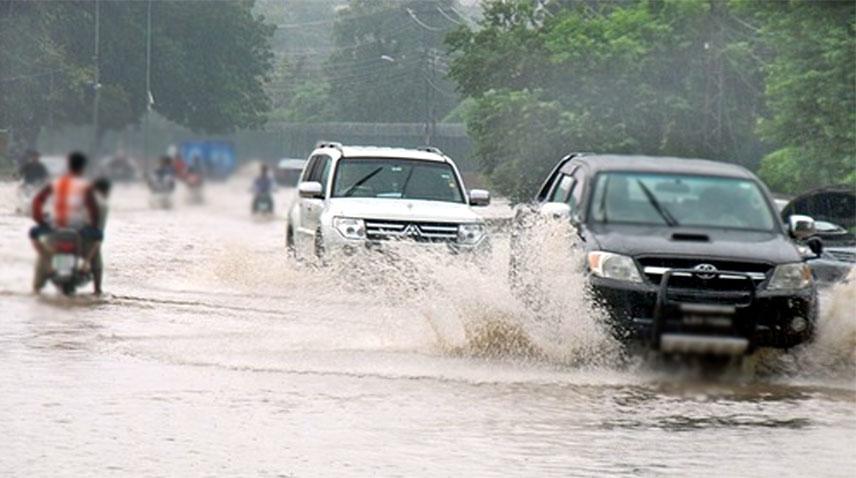
For countries like Pakistan, this warning is not theoretical. It is visible in flooded villages of Sindh, heat-stricken streets of Lahore, drought-hit areas of Balochistan, smog-filled skies over Punjab, and overcrowded hospitals treating children suffering from diarrhoea, respiratory infections, malnutrition, and heat-related illnesses.
Children are uniquely vulnerable to climate change because their bodies are still developing. They breathe faster than adults, consume more water relative to their body weight, and are less capable of regulating body temperature during extreme heat. Their immune systems are weaker, making them more susceptible to pollution, disease outbreaks, and contaminated water. UNICEF notes that climate-related hazards are now contributing to the spread of deadly childhood diseases, worsening malnutrition, disrupting education, and increasing mental health problems among young people.
The six major climate hazards identified in UNICEF’s latest assessment — extreme heat, droughts, floods and storms, wildfires, air pollution, and ecosystem changes — are all becoming increasingly common in Pakistan. What makes the crisis particularly alarming is that Pakistani children contribute almost nothing to global carbon emissions, yet they are among the worst victims of its consequences.
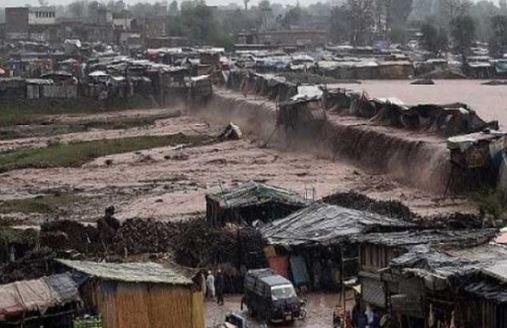
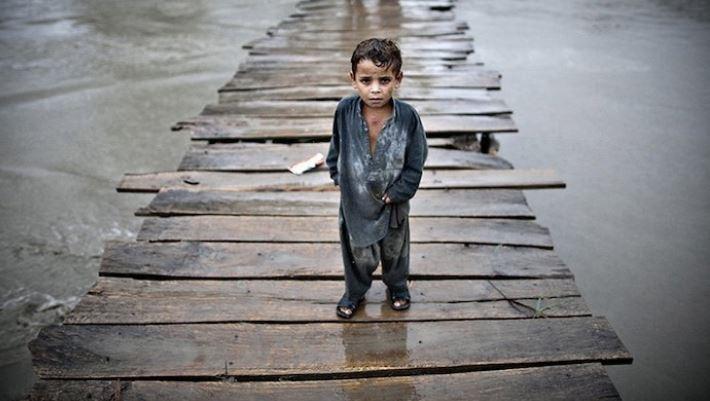
The catastrophic floods of 2022 exposed this painful injustice to the world. One-third of Pakistan was submerged under water. Millions of homes, schools, hospitals, and crops were destroyed. According to UNICEF-linked reporting, nearly 16 million children were affected by the floods, while hundreds lost their lives and millions more faced displacement, hunger, disease, and educational disruption.
For many children in rural Sindh and Balochistan, the floodwaters did not simply wash away roads and homes; they erased childhood itself. Schools became refugee shelters. Clean drinking water disappeared. Mosquito-borne diseases such as dengue and malaria spread rapidly. Cases of diarrhoea, skin infections, and acute malnutrition surged. Pregnant mothers struggled to access healthcare facilities. Children who were already vulnerable became trapped in a cycle of climate-driven poverty and illness.
Yet floods are only one chapter of Pakistan’s climate emergency.
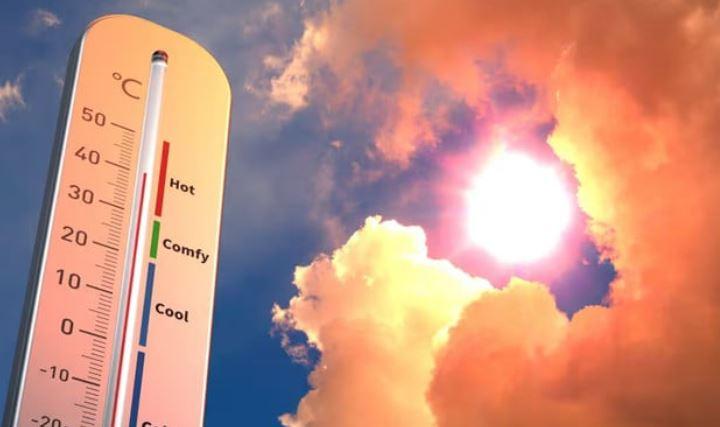
Extreme heat has emerged as another silent killer. Pakistan repeatedly experiences some of the hottest temperatures recorded on Earth. In recent years, cities across Punjab and Sindh have witnessed heatwaves exceeding 45 degrees Celsius. UNICEF warns that by the 2050s, nearly every child globally could face frequent and severe heatwaves.
For children, heat is not merely uncomfortable; it is dangerous. Infants and young children are less able to regulate body temperature, making them vulnerable to dehydration, heatstroke, and organ stress. In overcrowded urban neighborhoods where electricity outages are frequent, children often sleep in unbearable temperatures without cooling systems or safe drinking water.
The impact extends beyond physical health. Research increasingly links extreme heat with anxiety, depression, reduced concentration, and post-traumatic stress among children and adolescents. In Pakistan’s major cities, children are growing up under environmental stress that previous generations never experienced. A child studying in a classroom without electricity during a severe heatwave is not simply uncomfortable; that child’s ability to learn, focus, and thrive is being damaged.
Air pollution adds another layer to this crisis. Lahore frequently ranks among the world’s most polluted cities during smog season. Millions of children inhale toxic air daily while walking to school, playing outside, or even sleeping inside poorly ventilated homes. UNICEF reports that children are far more likely than adults to suffer from the effects of air pollution because their lungs are still developing.
Doctors across Pakistan continue to report increasing numbers of children suffering from asthma, respiratory infections, allergies, and chronic breathing difficulties during periods of heavy smog. Scientific evidence now suggests that long-term exposure to polluted air can also affect cognitive development, learning outcomes, and future productivity. In other words, climate change is not only threatening children’s survival; it is quietly shaping the intellectual and economic future of entire nations.
Water scarcity represents another looming catastrophe. UNICEF estimates that hundreds of millions of children globally already face high water vulnerability. Pakistan, despite being heavily dependent on the Indus River system, is rapidly approaching dangerous levels of water stress. Glacial melt, erratic rainfall, groundwater depletion, and rising temperatures are shrinking reliable water supplies.
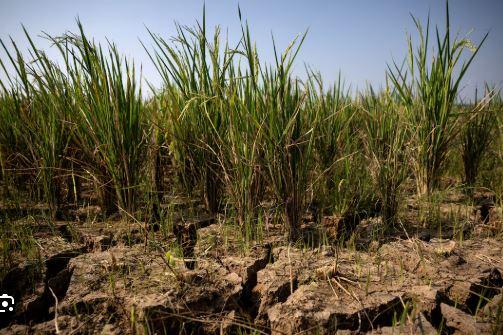
In drought-prone districts of Balochistan and southern Punjab, children often walk long distances to collect water. Many families consume contaminated water because safe alternatives are unavailable. This directly contributes to stunting, diarrhoeal disease, and chronic malnutrition. Climate change is therefore not only an environmental issue; it is increasingly a child survival issue.
Education is also under attack. UNICEF reports that tens of millions of children globally lose access to schooling every year because of climate-related disasters. Pakistan has repeatedly witnessed schools damaged by floods, storms, and extreme heat. In some rural regions, schools lack basic facilities such as clean drinking water, fans, or functional toilets. When disasters strike, education is often interrupted for months.
For girls, the consequences can be even harsher. Families displaced by disasters frequently prioritize survival over education, increasing the risk of child labor, early marriage, and permanent school dropouts. Climate change is therefore deepening existing inequalities within society.
Perhaps the greatest tragedy is that children remain largely invisible in climate policymaking. UNICEF highlights that only a tiny percentage of global climate finance currently supports child-responsive projects. Despite being the generation most affected by climate change, children rarely have representation in climate negotiations, national adaptation plans, or environmental governance.
Pakistan urgently needs a child-centered climate strategy. Climate adaptation can no longer focus solely on infrastructure, dams, or energy projects. It must also protect schools, hospitals, nutrition systems, vaccination programs, and mental health services for children.
Schools should be redesigned to withstand floods and extreme heat. Public hospitals need climate-resilient energy systems to ensure uninterrupted healthcare during heatwaves and disasters. UNICEF recently warned that improving energy reliability in Pakistan’s healthcare system alone could save more than 175,000 lives by 2030.
Equally important is climate education. Pakistani children should not only learn about climate change in textbooks; they should be equipped with practical knowledge about water conservation, disaster preparedness, sustainable agriculture, and environmental responsibility. Young people are not merely victims of the climate crisis; they can become powerful agents of resilience and change.
The international community also carries responsibility. Countries contributing the least to global emissions are suffering the most severe consequences. Pakistan contributes less than one percent of global greenhouse gas emissions, yet it faces recurring floods, heatwaves, droughts, and environmental degradation. Climate justice demands greater financial and technological support for vulnerable countries, particularly for protecting children.
The defining image of the climate crisis is no longer melting glaciers or rising sea levels. It is the image of a child standing in floodwater outside a destroyed school, a child struggling to breathe in toxic smog, or a child fainting during an unbearable heatwave.
Climate change is not only transforming weather patterns. It is reshaping childhood itself.
And unless governments act with urgency, today’s children may become the first generation to inherit a planet less capable of protecting human life than the one inherited by their parents.

Hands-on with the Apple Home Collection
- a day ago

Jodar apologises for swearing at ball kid in Shanghai
- 2 days ago

Trump’s revenge campaign comes for Ilhan Omar
- a day ago
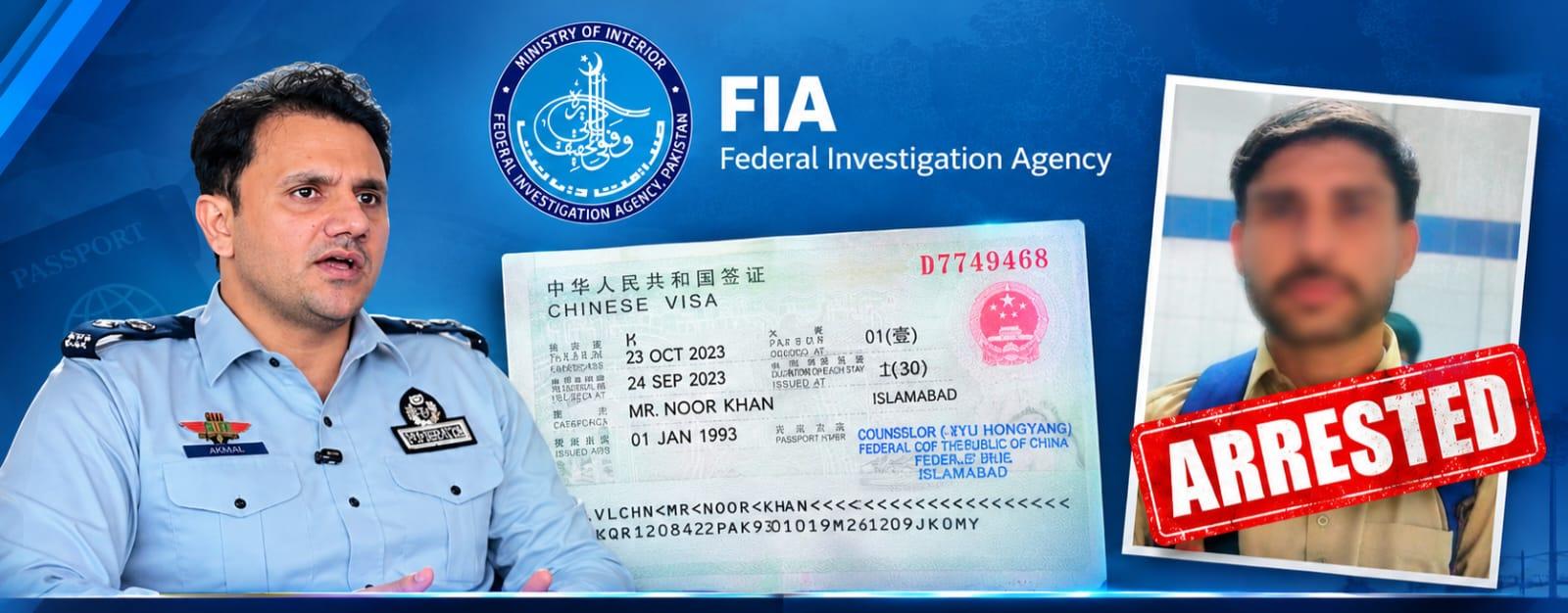
FIA offloads 2 passengers at Lahore airport over fake documents, tampered study visa
- 26 minutes ago
Cold weather and high prices could flip the Senate
- a day ago

Character.AI files for bankruptcy
- a day ago

West Bank settlers brutally attack a Washington Post journalist
- 10 hours ago

Florida’s uniquely horrifying death penalty system
- a day ago

Will November stop Trump’s agenda?
- a day ago

Here are all the new HomePod Mini 2 colors
- a day ago

The Ocarina of Time remake feels remarkably modern — and surprisingly terrifying
- a day ago

Buying Apple’s wall-mounted HomeView? The mount costs extra
- a day ago