Dubai: After eight years of planning and billions of dollars in spending, the Middle East’s first world’s fair opened Friday in Dubai, with hopes that the months-long extravaganza will draw both visitors and global attention to this desert-turned-dreamscape.

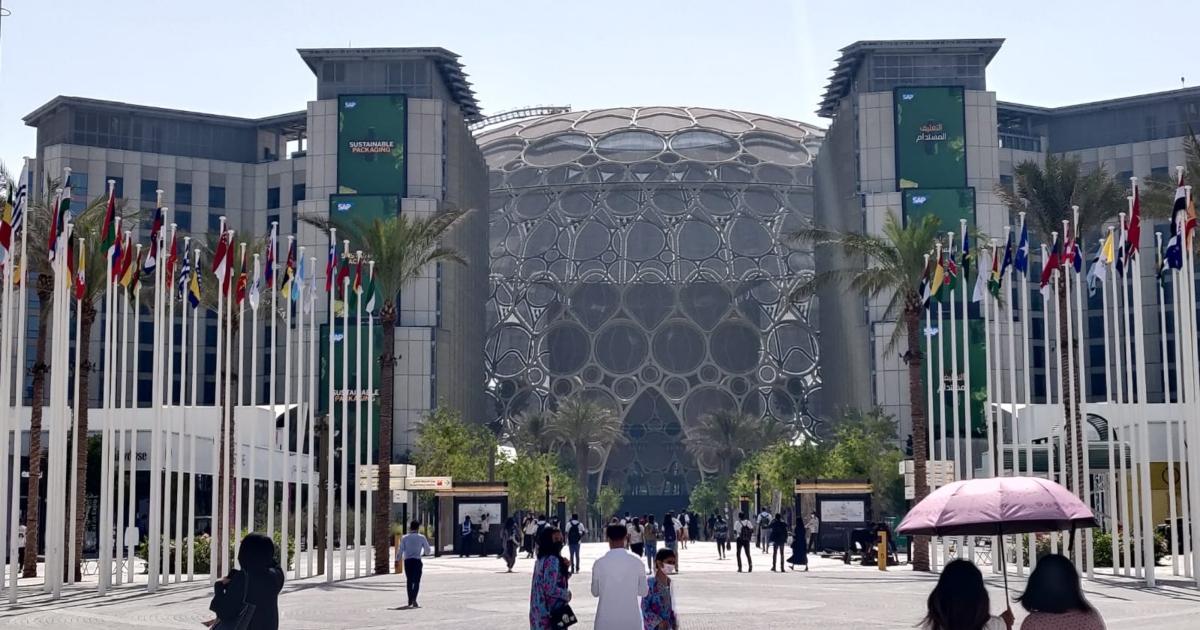
The coronavirus pandemic pushed Expo 2020 back a year and may affect how many people flock to the United Arab Emirates. But the six-month-long exhibition still offers Dubai a momentous opportunity to showcase its unique East-meets-West appeal as a place where all are welcome for business.
Not long ago, the site of the 1,080 acre (438 hectare) Expo was barren desert. Now, it’s a futuristic landscape buzzing with robots that bark automated orders at bare-faced visitors to mask up, a new metro station, multi-million dollar pavilions and so-called districts with names like “sustainability” and “opportunity” — all built, like much of the Gulf, by low-paid migrant workers.
More than 190 nations are using their pavilions to spotlight their greatest tourist attractions, discoveries and ambitions. The U.S. pavilion, paid for by the UAE after America struggled to come up with funding, boasts a replica of the Space X Falcon 9 rocket and takes visitors on a conveyor belt past multimedia infomercials for American inventions. It also displays a Quran that belonged to the nation’s third president, Thomas Jefferson, as an example of how religious freedom ”is woven into the very fabric of American society.”
China’s vast, lantern-shaped pavilion focuses on the nation’s space ambitions and future inventions, featuring a Transformer-like car that SAIC Motor hopes will function one day also as a submarine and helicopter.
Draped over Italy’s pavilion is 70 kilometers (40 miles) of rope made from 2 million plastic bottles. The main attraction, though, is a marble 3-D replica of Michelangelo’s biblical hero, David. The 5.2 meters (17 feet) high nude giant is not easily accessible — visitors must must enter separate floors of a building to view it at eye-level or peer up from its feet. Public nudity is outlawed in the UAE, where traditional Muslim norms largely prevail.
The UAE’s falcon-shaped pavilion, by far the site’s largest, takes visitors on a two-hour-long immersive experience through dunes of real orange sand and footage from the country’s 50-year history.
Other attractions include an African food hall, a massive mirror-like fountain with silver cascades of water flowing back and forth, a recently excavated royal Egyptian mummy, concerts and performances from around the world, and the option to dine on a $500 three-course meal with glow-in-the-dark cuisine.
As night fell and the call to prayer echoed musically through the grounds, pavilions came to life with lights, lasers and kaleidoscopic shows.
Isabel Fu, 50, said she flew in for Expo all the way from Beijing to see “the kind of changes that we’ll see in the future, the technology that makes us look forward to the next era.” Upon her return to China, she faces 21 days of quarantine.
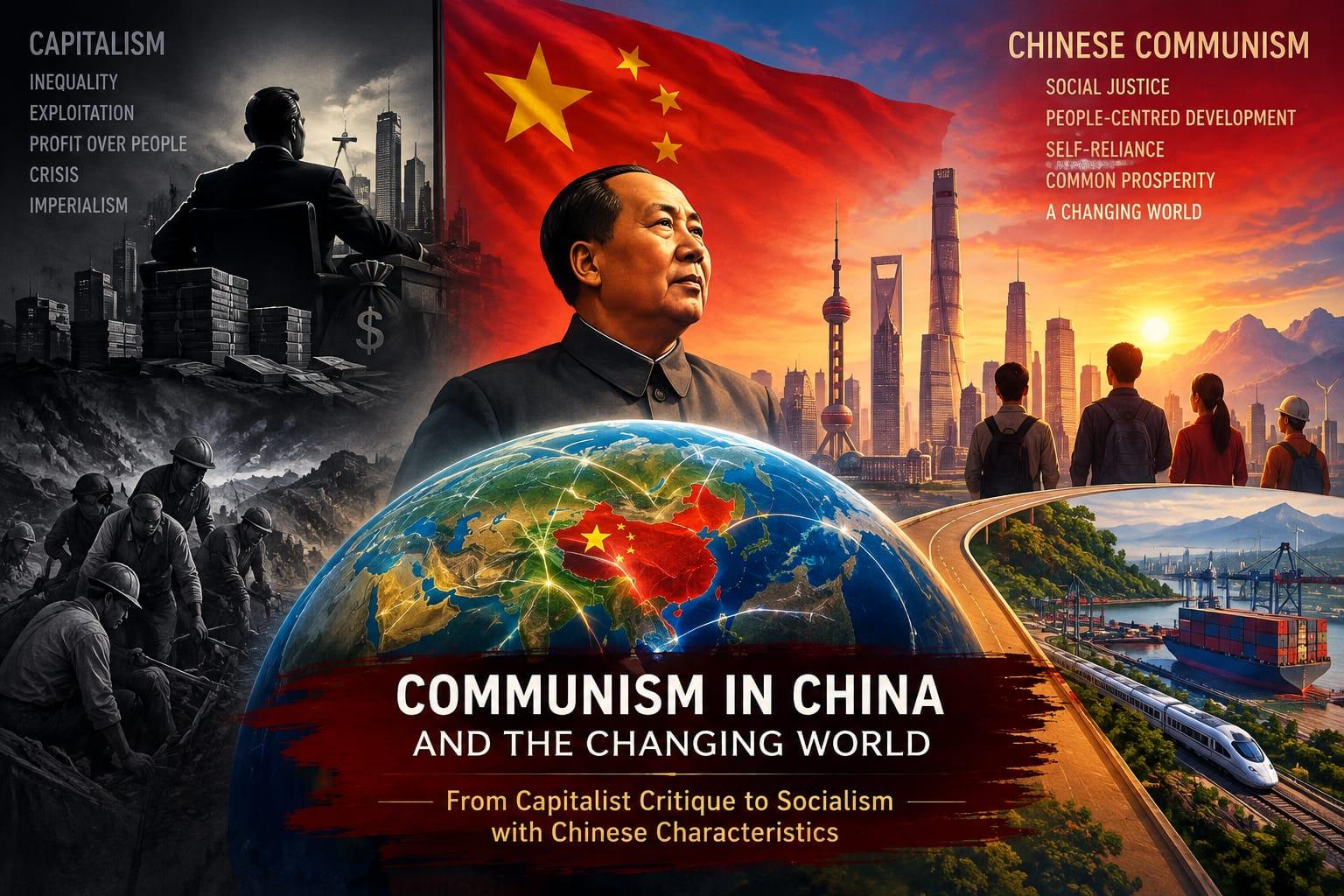
Communism in China and the changing world: from capitalist critique to socialism with Chinese characteristics
- 17 hours ago

Bollywood actor Tiger Shroff shot at in Mumbai, three suspects held: police
- 17 hours ago
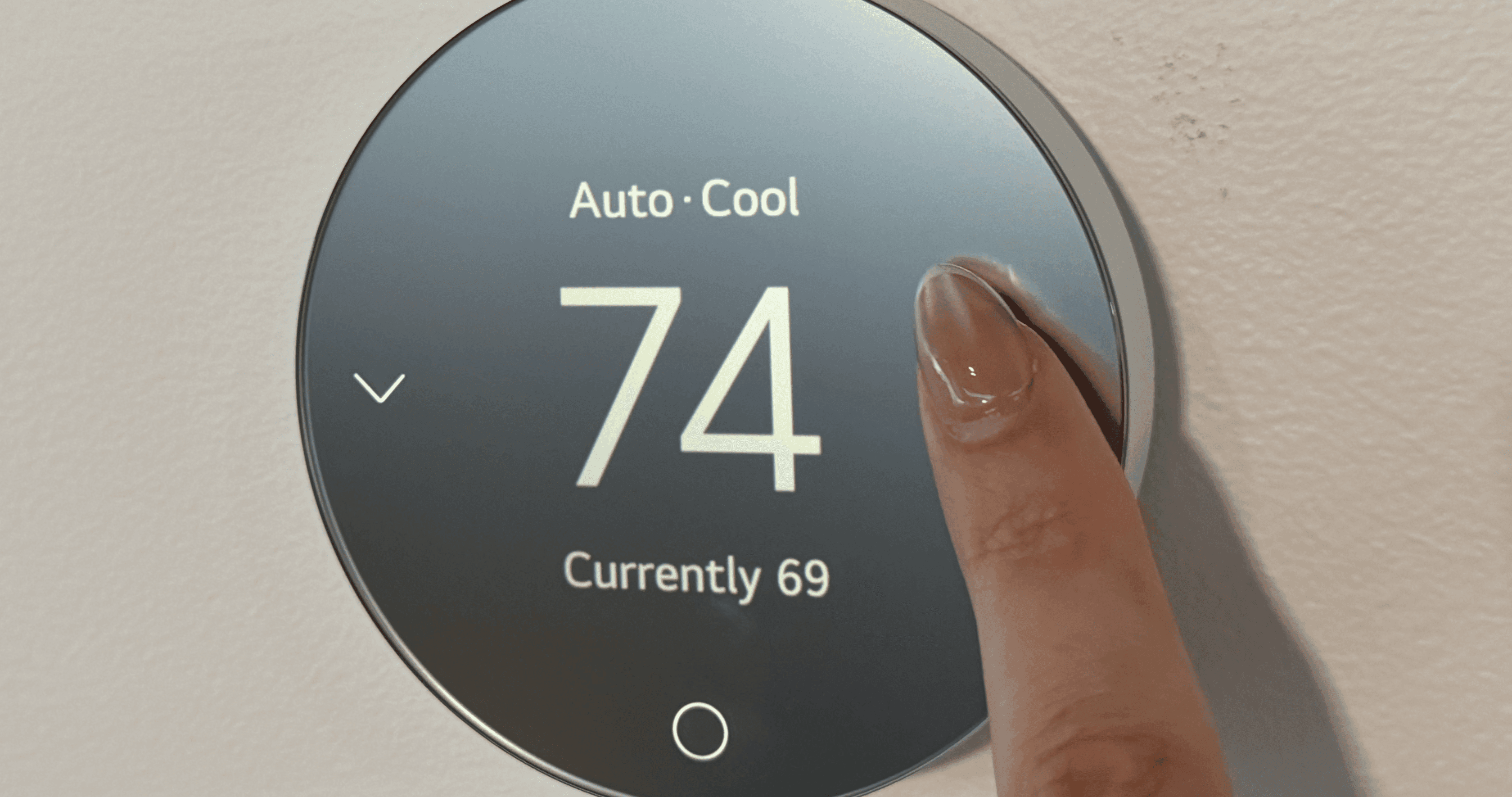
Hands-on with the Apple Home Collection
- 3 days ago

Army officer martyred, four terrorists killed in Balochistan operations: ISPR
- 16 hours ago
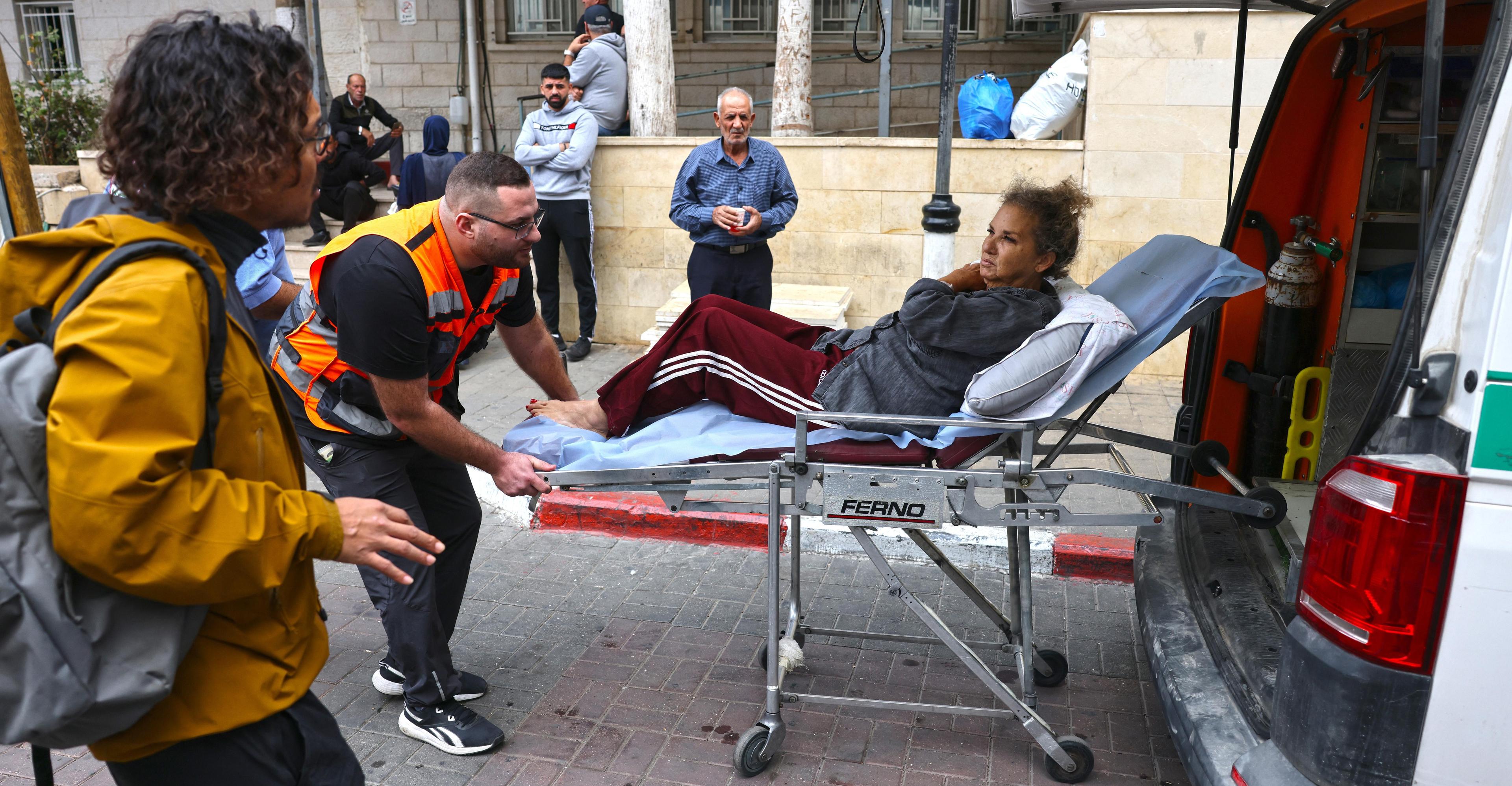
West Bank settlers brutally attack a Washington Post journalist
- 2 days ago
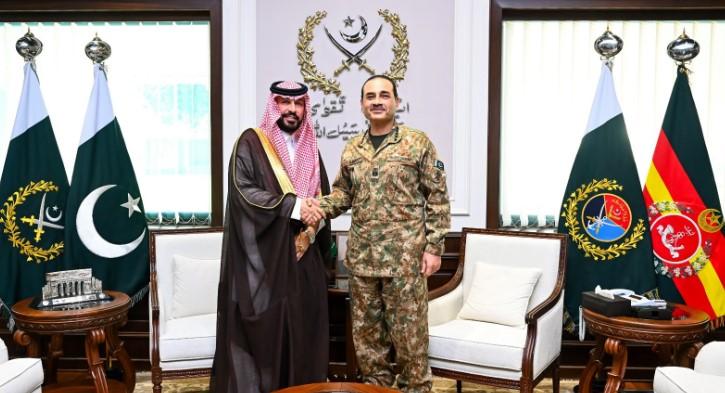
Field Marshal, Saudi envoy discuss regional security dynamics
- 14 hours ago
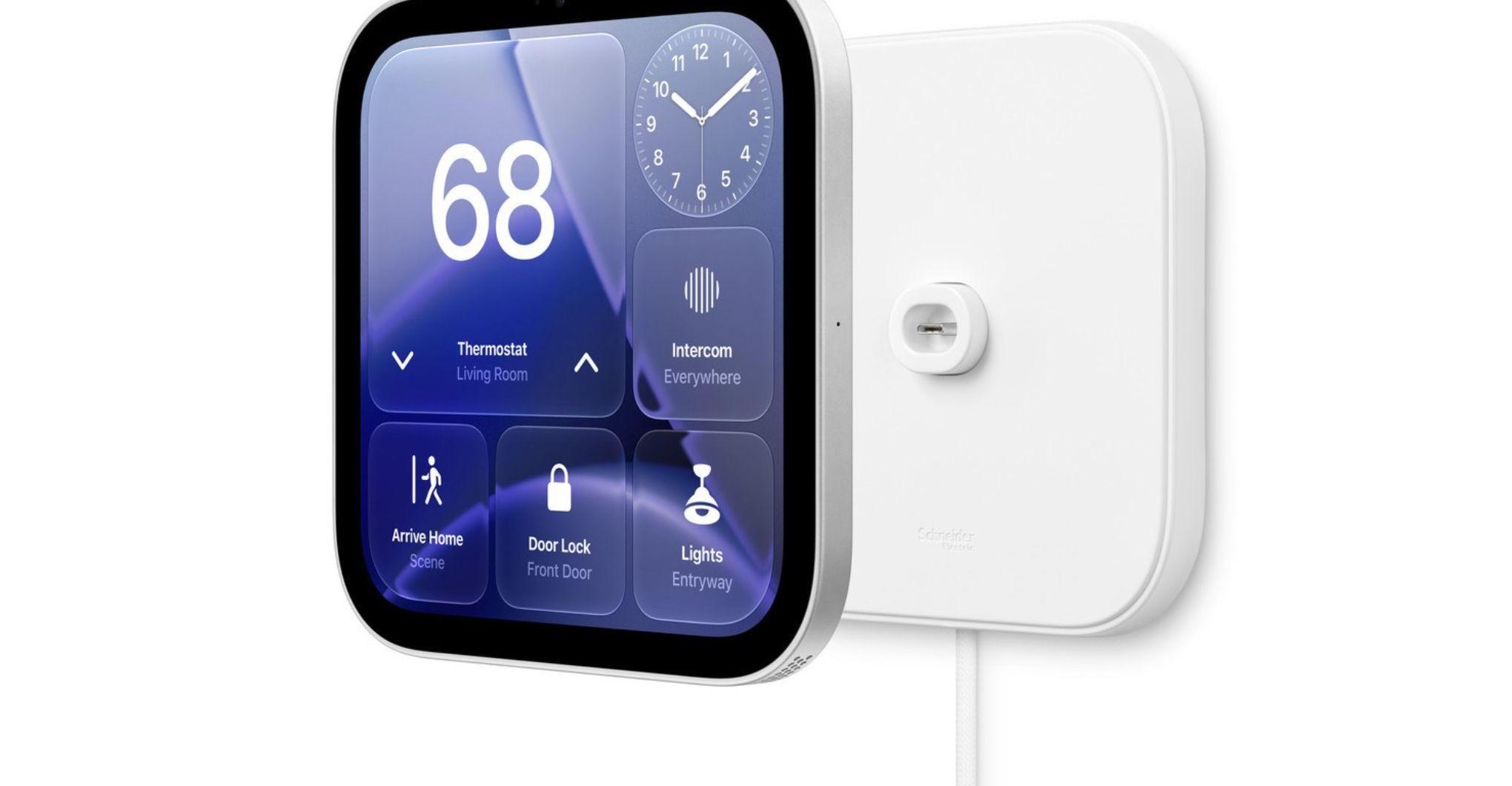
Buying Apple’s wall-mounted HomeView? The mount costs extra
- 3 days ago
Musk says will give SpaceX share to 'every kid in America'
- 16 hours ago

FIA offloads 2 passengers at Lahore airport over fake documents, tampered study visa
- 2 days ago

Security of Haramain al-Sharifain non-negotiable: DG ISPR
- 18 hours ago
Florida’s uniquely horrifying death penalty system
- 3 days ago

Trump’s revenge campaign comes for Ilhan Omar
- 3 days ago