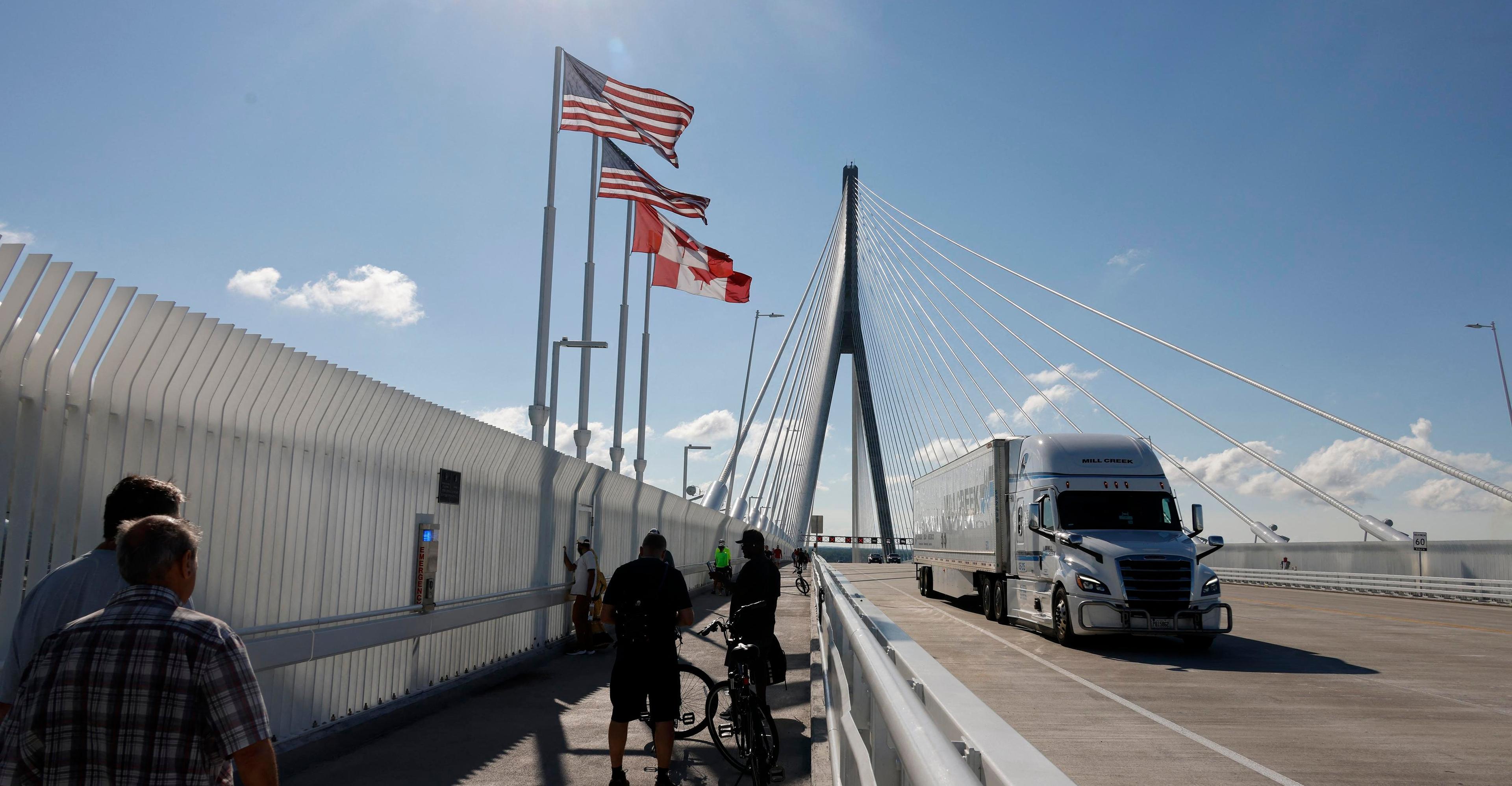
Manufacturers have been slowed by heavier-than-expected customer demand, COVID-related shutdowns and overwhelmed ports and freight yards.

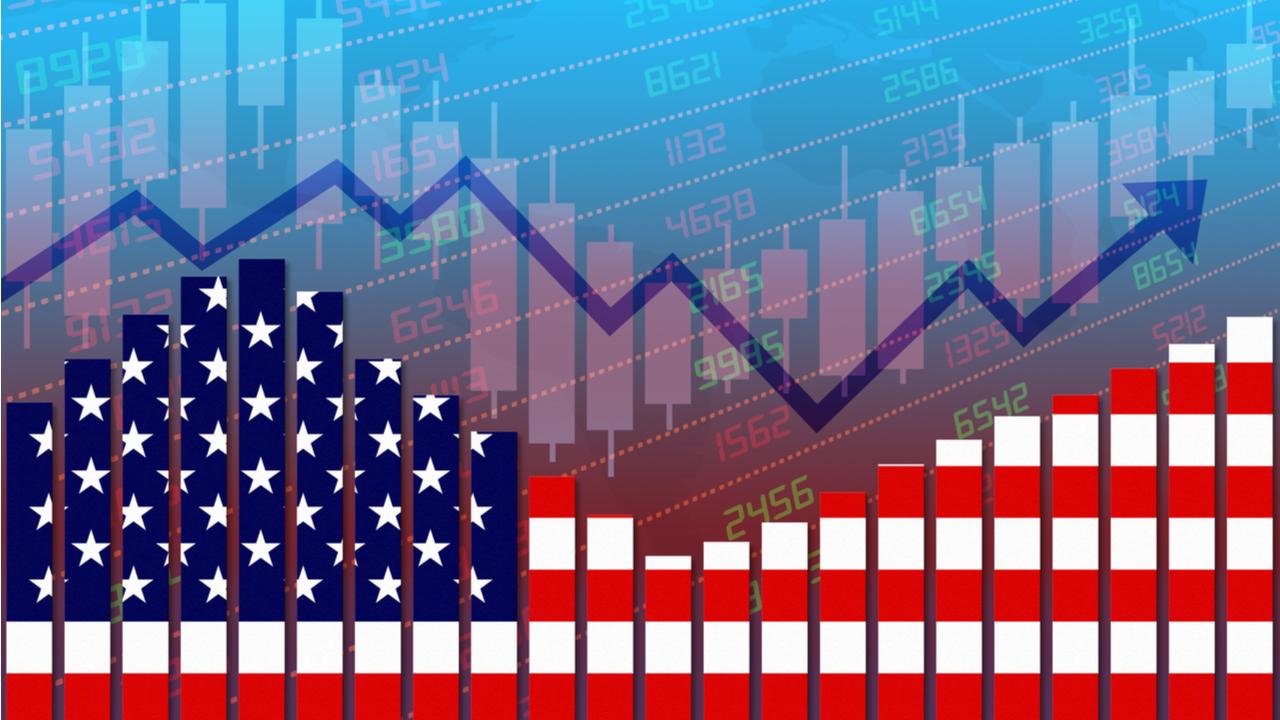
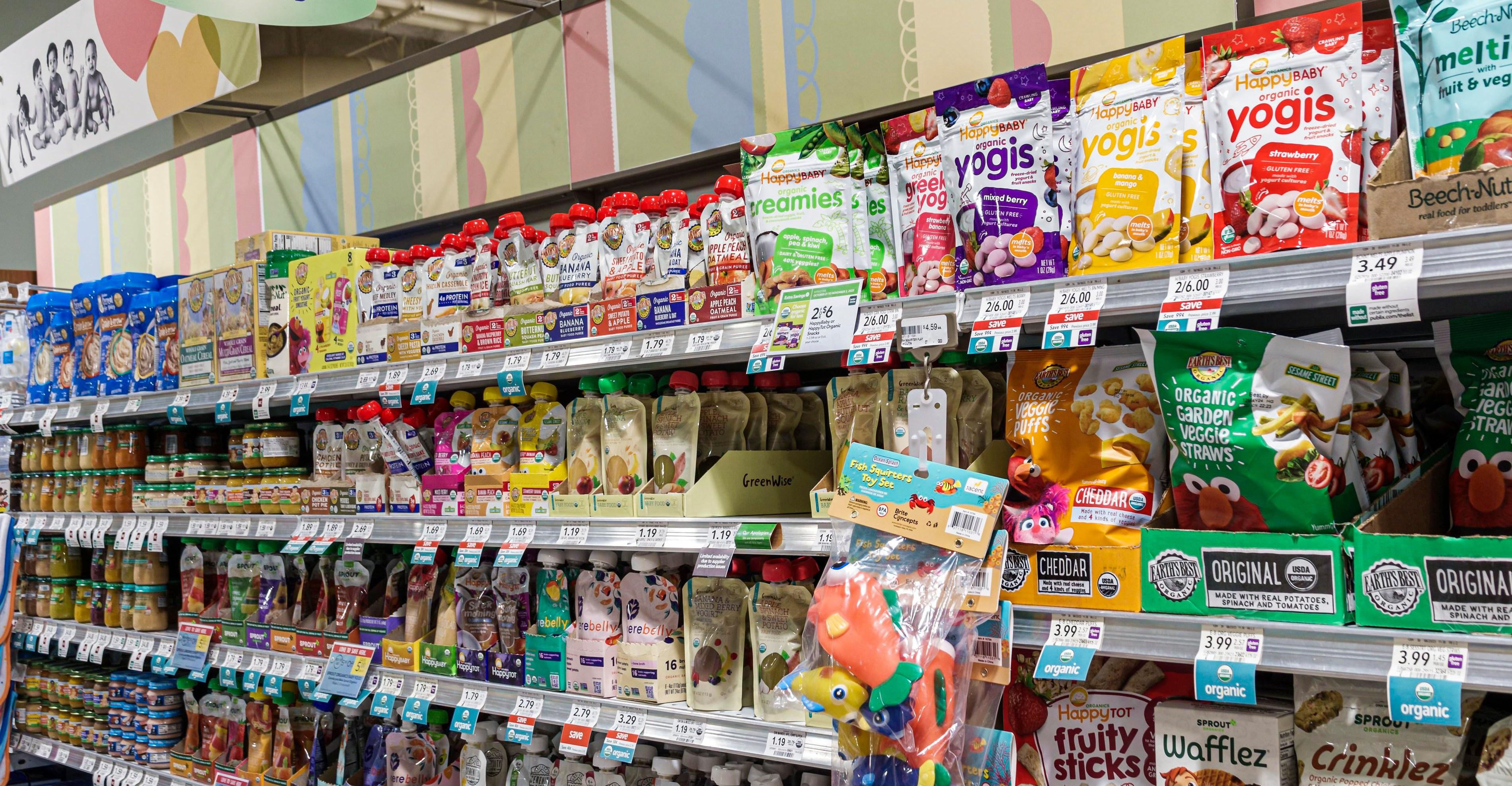
Prices for US consumers jumped 6.8% in November compared with a year earlier as surging costs for food, energy, housing, autos and clothing left Americans enduring their highest annual inflation rate in 39 years.
The Labor Department also reported Friday that prices rose 0.8% from October to November — a substantial increase, though slightly less than 0.9% increase from September to October.
Inflation has been inflicting a heavy burden on consumers, especially lower-income households and particularly for everyday necessities. It has also negated the higher wages many workers have received, complicated the Federal Reserve’s plans to reduce its aid for the economy and coincided with flagging public support for President Joe Biden, who has been taking steps to try to ease inflation pressures.
Fueling the inflation has been a mix of factors resulting from the swift rebound from the pandemic recession: A flood of government stimulus, ultra-low rates engineered by the Fed and supply shortages at factories.
Manufacturers have been slowed by heavier-than-expected customer demand, COVID-related shutdowns and overwhelmed ports and freight yards.
Employers, struggling with worker shortages, have also been raising pay, and many of them have boosted prices to offset their higher labor costs, thereby adding to inflation.
The result has been price spikes for goods ranging from food and used vehicles to electronics, household furnishings and rental cars. The average price of a used vehicle rocketed nearly 28% from November 2020 to last month — to a record $29,011, according to data compiled by Edmunds.com.
The acceleration of prices, which began once the pandemic hit as Americans stuck at home flooded factories with orders for goods, has spread to services, from apartment rents and restaurant meals to medical services and entertainment. Even some retailers that built their businesses around the allure of ultra-low prices have begun boosting them.
Over the past 12 months, the costs paid by a typical American family have surged by roughly $4,000, according to calculations by Jason Furman, a Harvard economist and former Obama White House aide.
SOURCE: AP NEWS

CJP emphasises district judiciary’s role in building public confidence
- 14 hours ago

The Supreme Court just handed Republicans a surprisingly decisive midterm loss
- a day ago
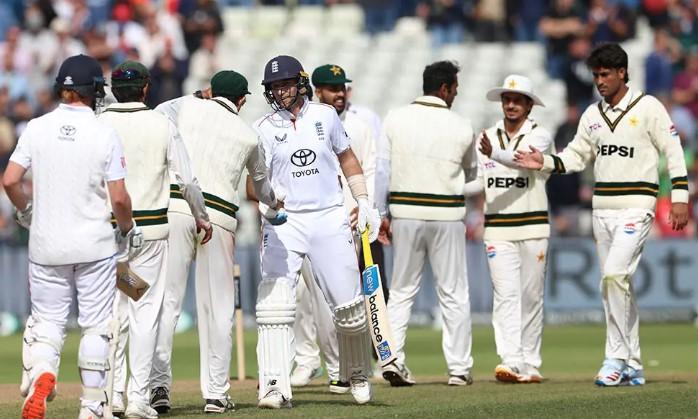
Root takes charge, guiding England to series whitewash over Pakistan
- 11 hours ago

Australia Mosque in Lahore marks 100 years of Australia–Pakistan connections
- a day ago

The one problem Trump can’t afford
- a day ago

Ashrafi receives ‘The Hubert Walter Award for Reconciliation and Interfaith Cooperation 2026’
- 14 hours ago

Quaid-e-Azam Muhammad Ali Jinnah’s death anniversary observed
- a day ago

New York marks 25th anniversary of 9/11 attacks
- a day ago

AI-assisted documentary tests cinema's boundaries at Venice Film Festival
- a day ago

Gaza film, Malkovich drama vie for Venice top prize
- 13 hours ago

Pakistan condemns drone attacks on KSA’s East-West Pipeline
- 13 hours ago

How the iPhone Duo compares to other folding phones
- a day ago