Sri Lanka, an island nation of 22 million people, is facing its worst financial crisis since independence in 1948

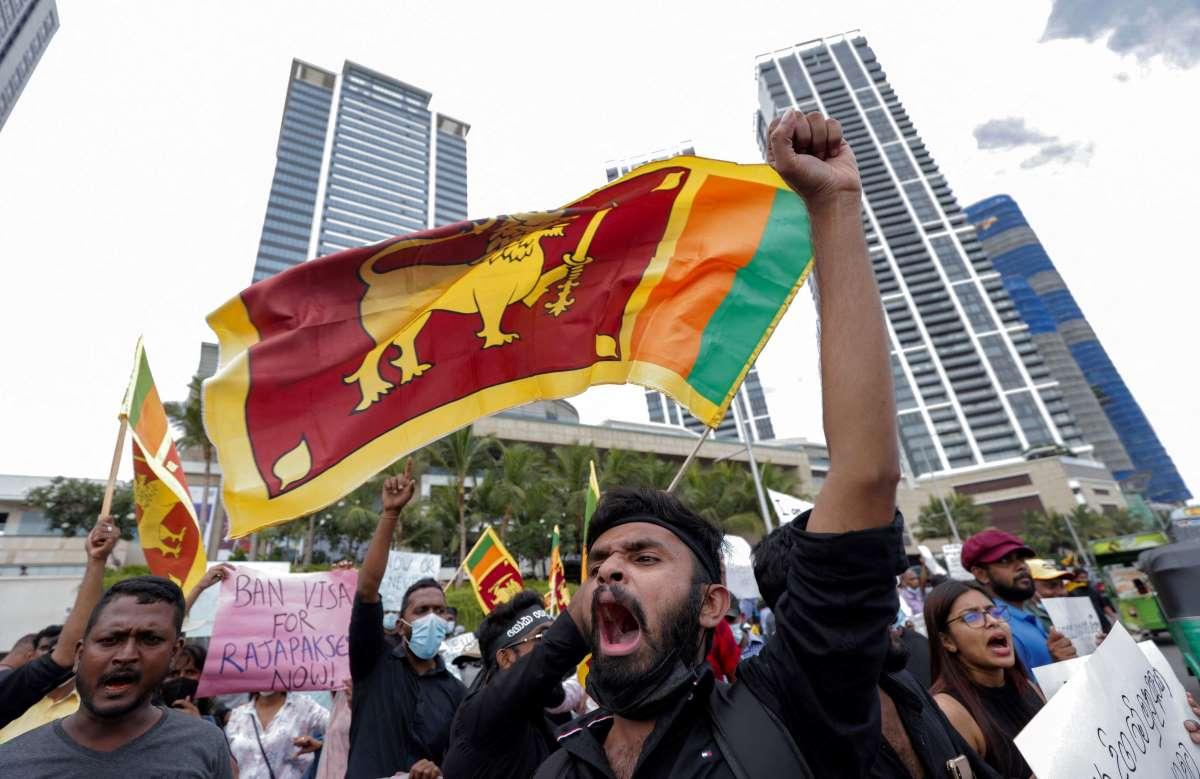
The International Monetary Fund has ended talks with Sri Lanka, failing to conclude a deal for a bailout package for the near-bankrupt nation after 10 days.
Nevertheless, in a statement released around noon Sri Lanka time on Thursday, the IMF promised to keep up the talks, which began on June 20. “The discussions will continue virtually with a view to reaching a staff-level agreement on the extended fund facility or EFF arrangement,” it said.
The EFF was established to assist countries with “serious payment imbalances,” according to the IMF. In addition, it provides support for policies “needed to correct structural imbalances over an extended period.”
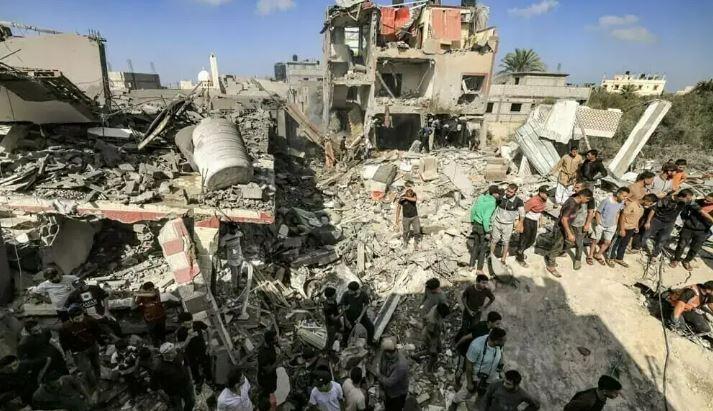
Sri Lanka, an island nation of 22 million people, is facing its worst financial crisis since independence in 1948, which has left it struggling to pay for fuel and forced it to default on some foreign debt.
Left with just enough fuel for about a week and fresh shipments at least two weeks away, Sri Lanka has imposed restrictions on supplies, limiting them for use for public services like trains and buses and those relating to the health sector, Reuters reported. The ban is scheduled to last two weeks.
Noting that public debt is assessed as unsustainable, the IMF said executive board approval of a package would require “adequate financing assurances from Sri Lanka’s creditors that debt sustainability will be restored.”
People have been killed; there have been some shootouts. So this is a very dangerous situation to be in.
“In this context, discussions focused on designing a comprehensive economic program to correct the macroeconomic imbalances, restore public debt sustainability, and realize Sri Lanka’s growth potential,” the press release said.
‘Fragile state’
The lack of a bailout package defied the expectations of an expert CNBC spoke to earlier in the day.
Georgetown University professor Shanta Devarajan said Sri Lanka was close to reaching an agreement with the IMF.
″[Sri Lanka is] very close to reaching what is called a staff level agreement [with] the Fund [on] the set of policies and programs that Sri Lanka would undertake in order to bring down the fiscal deficit and make the fiscal debt sustainable,” Devarajan told CNBC’s “Squawk Box Asia” on Thursday.
He traced the genesis of the current problem to tax cuts three years ago. “We are in this mess at the moment...because in November 2019, the government cut taxes substantially. The value added tax rate went from 15% to 8%,” Devarajan said.
He added that the country is on the verge of becoming a “fragile state.”
“It has all the characteristics [of a fragile state] at the moment. It’s not just the protests in the streets, but … the queues for fuel,” he said, adding that there are now confrontations with the army and the police in various places.
“People have been killed; there have been some shootouts. So this is a very dangerous situation to be in,” Devarajan said.
Sri Lanka has closed schools in urban areas and officials have urged the country’s residents to work from home.
SOURCE: CNBC

The SaaSpocalypse that wasn’t, with Atlassian CEO Mike Cannon-Brookes
- 10 hours ago

These camera apps give you more control over the iPhone 18 Pro’s aperture
- 10 hours ago

Tesla’s Optimus robot is going through growing pains
- 10 hours ago
Why diesel prices are an economic time bomb
- 8 hours ago
'No new MRPs': Pakistan to switch to e-passports from Oct 15
- 20 hours ago

You’re supposed to get one free doctor’s visit every year. So why are so many Americans being charged?
- 8 hours ago

Nvidia says its new AI safety platform can contain rogue agents within ‘milliseconds’
- 10 hours ago
DG ISPR details alleged Indian ‘false-flag operation’ in Indian-held Kashmir
- 21 hours ago

India thump Sri Lanka, will face Pakistan for Asian Games cricket gold
- a day ago

Flock cameras are creepy. They might still be worth it.
- 8 hours ago

How can we create more Indianapolises and fewer San Franciscos?
- a day ago

Anthropic warns of ‘catastrophic’ AI risks in its own IPO filing
- 10 hours ago