- Home
- Technology
- News
South Korea develops nanotech tattoo as health monitoring device
The researchers eventually aim to be able to dispense with biosensors.

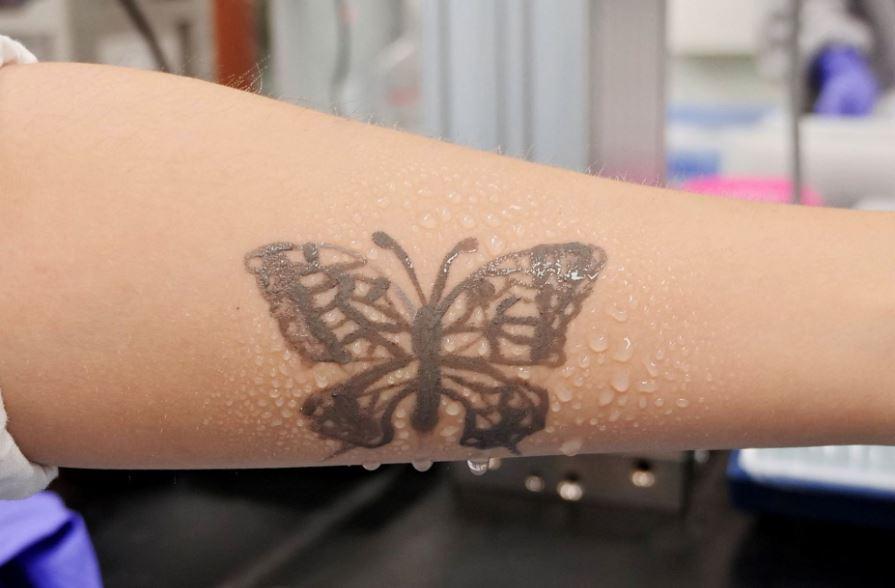
Daejeon: South Koreans may soon be able to carry a device inside their own bodies in the form of a bespoke tattoo that automatically alerts them to potential health problems if a science team’s project bears fruit.
Researchers at the Korea Advanced Institute of Science and Technology (KAIST) in the city of Daejeon southwest of Seoul have developed an electronic tattoo ink made of liquid metal and carbon nanotubes that functions as a bioelectrode.
Hooked up to an electrocardiogram (ECG) device or other biosensor, it can send a readout of a patient’s heart rate and other vital signs such glucose and lactate to a monitor.
The researchers eventually aim to be able to dispense with biosensors.
"In the future, what we hope to do is connect a wireless chip integrated with this ink, so that we can communicate, or we can send signal back and forth between our body to an external device," said project leader Steve Park, a materials science and engineering professor.
Such monitors could in theory be located anywhere, including in patients’ homes.
The ink is non-invasive and made from particles based on gallium, a soft, silvery metal also used in semiconductors or in thermometers. Platinum-decorated carbon nanotubes help conduct electricity while providing durability.
"When it is applied to the skin, even with rubbing the tattoo doesn’t come off, which is not possible with just liquid metal," Park said.
SOURCE: Reuters
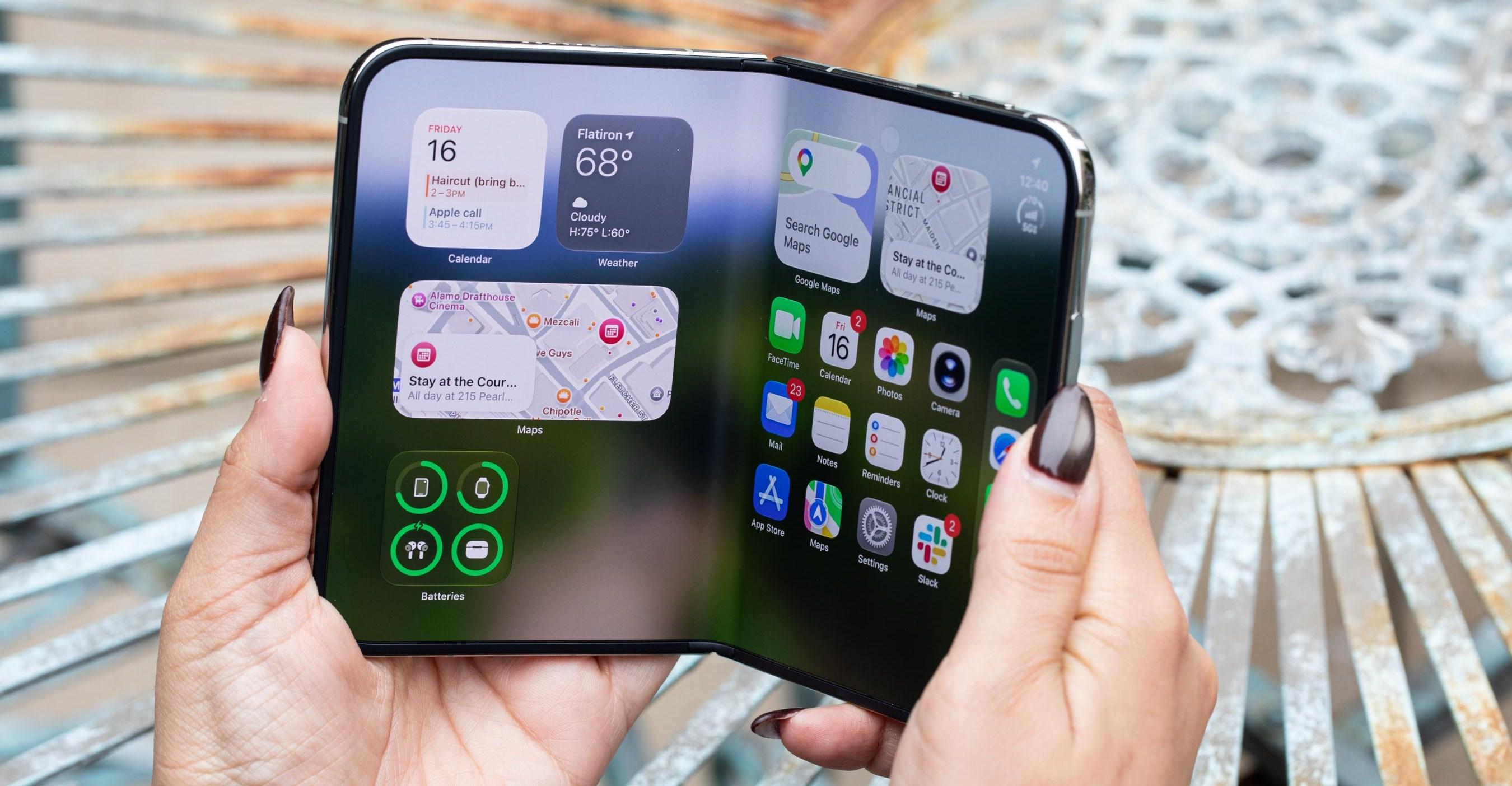
Apple will label apps that are ‘Made for iPhone Duo’
- 8 minutes ago

Sure, let’s smoosh SpaceX and Tesla together, who cares
- 8 minutes ago

PHP: The three little letters wreaking havoc across the web
- 8 minutes ago
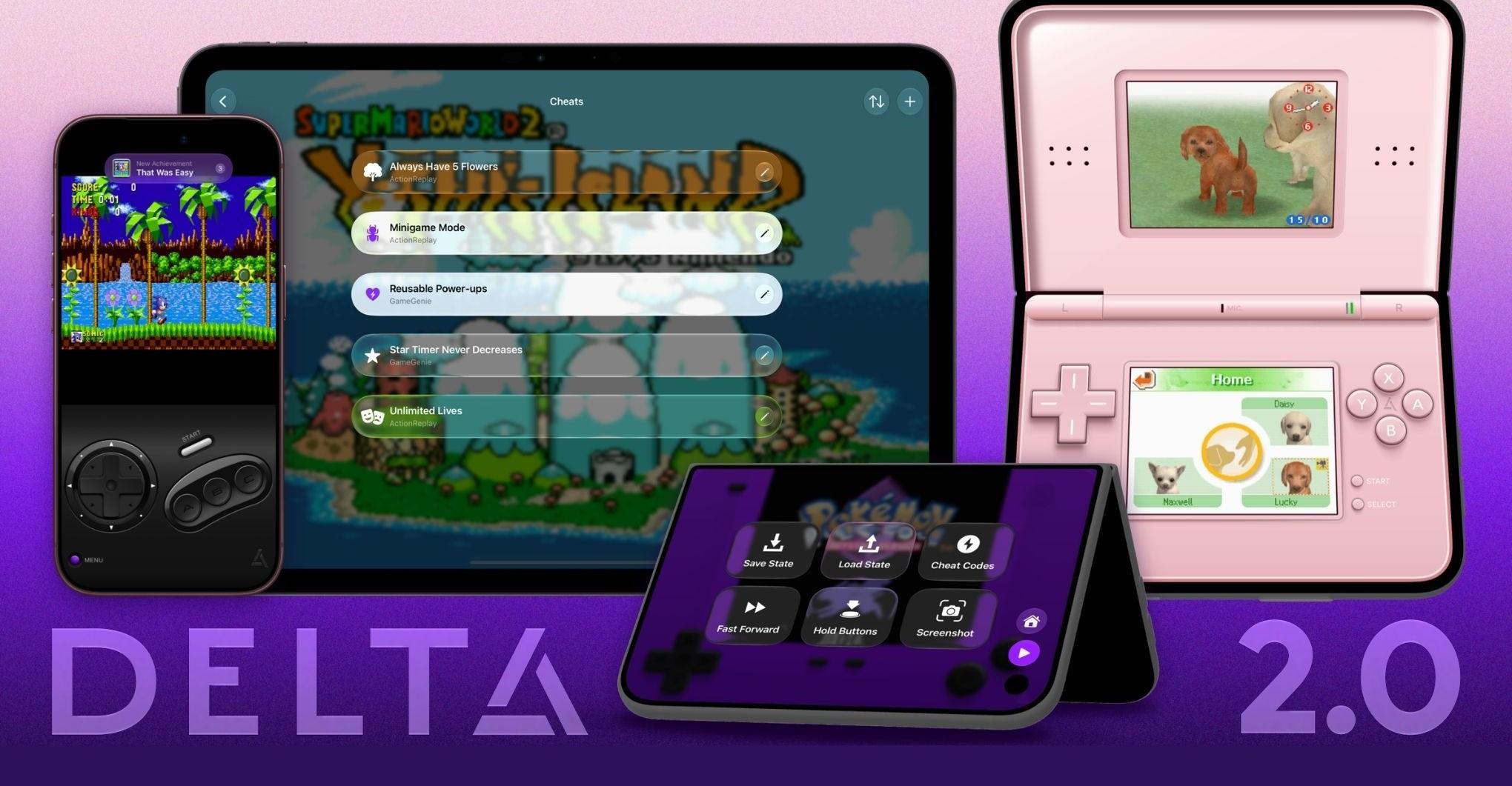
Delta can turn the iPhone Duo into your favorite folding handheld
- 8 minutes ago

Agha back but no Rizwan for Pakistan following England debacle
- 16 hours ago

Trump is trying to overturn an election that hasn’t happened yet
- 7 hours ago

OpenAI now trains its frontier AI models with no internet access
- 9 minutes ago

Should you let a chatbot manage your money?
- 7 hours ago

Samsung’s latest 55-inch Frame TV is down to its lowest price yet
- 8 minutes ago

Jack Dorsey’s Block made an AI model that talks to you like an awkward new friend
- 9 minutes ago
Trump says Sundar Pichai talked him out of renaming the Atlantic Ocean
- 8 minutes ago
Microsoft shuts down its beloved maker space
- 8 minutes ago