Translation is wonderous because a piece of music, readable by any language.


Language mirrors the complexity with which our lives intertwine with technology. When our technology evolves quicker than ever before, so too does language.
We can safely claim that translation plays a vital role in our everyday life and in the 21st century the role of translation has become even more significant. Pooling and sharing of knowledge are possible only when special efforts are made in a bid to cross language barriers. Hence, interpreting is one of the most effective ways of building cross-cultural bridges.
Translation is not merely a technical skill; but a form of art as it calls for a lot of creativity because of the reconstruction of a text, with adequate sensitivity and knowledge of the cultures along with linguistic skills.
In order to provide healthcare, legal advice and various other services, bridging language gaps and ensuring communication is facilitated is important.
Translation, Backbone of Globalization
Our society continues to grow more diverse, people are now, more than ever, interested in other countries, food, people, cultures and languages. With that the issue of encountering language barriers is being faced on an increasingly regular basis.
Directly or indirectly, translation creates harmony within and across borders, while forming greater cultural connectivity.
Globalization—which could be defined as goods, services, and social as well as cultural influences— has helped people broaden their cultural understanding and acceptance of different people. Translation can be considered the backbone of globalization as so many people around the globe have already benefited from the effects of good and clear translation.
Human beings crave communication, that is, to express themselves and feel heard and translation plays a key role in feeding the entire world.
In light of the above details and facts, one should be grateful to translators and interpreters around the globe due to their strenuous efforts made to make this world look better and worthier, bringing culturally and linguistically diverse nations together.
Since 1953, the world officially sets aside September 30th as International Translation Day. Originally a feast day honoring Saint Jerome, the day honors all people of the translation and interpretation professions, which is truly wondrous.
It’s common in Pakistan to find people of all ethnicities and cultural backgrounds living and thriving together in one community; with multiple languages, each a rich storehouse of knowledge and literary traditions. It is the process of translation that brings one into a very intimate relationship with at least two languages.
Importance of Translation
English is a widely spoken language and most people do understand and comprehend English. These people have no problems piecing together words to form a sentence in response to whatever you are asking them. However, English might not always be the most popular language in the world. As the world grows, other languages are beginning to grow in importance as well.
As a way of illustration, we have compiled a list below, pertaining to the significance of translation in our everyday life.
World Peace
Translation could contribute to keeping world peace; as we know that interpreting is always needed in strengthening international relations. For this job, translators are hired to help in drafting the exact wording to be used in peace treaties so that it will be agreeable to both sides.
Transfer of Information
When transferring the news, translation is vital from around the world: To do that, proper translation of news coming from local bodies and regional centers is required. Unless proper translation is done, the news will be vague, incomprehensible and unreliable.
Enhancing Global Tourism
When we can offer proper translation to tourists along with genuine guidance, we assure the quality of our region as a tourist friendly destination and ensure success.
Create Common Understanding
Even if it is a different language, many themes and context specific jargon is still used, you just need to find that common word that creates an understanding.
Conclusion
Translation is still very much needed in our world today. Our multicultural and multilingual world is at a place where it is demanding clear and efficient communication between languages and cultures. Given these important reasons, it’s plain to see how it can benefit everyone.

Here’s what it’s like to use Audio Intelligence on the Apple Watch
- a day ago
Qualcomm is betting big on data centers as smartphone sales sink
- 17 hours ago

PML-N candidate Asad Hanif Jutt wins PP-203 Chichawatni by-election
- a day ago
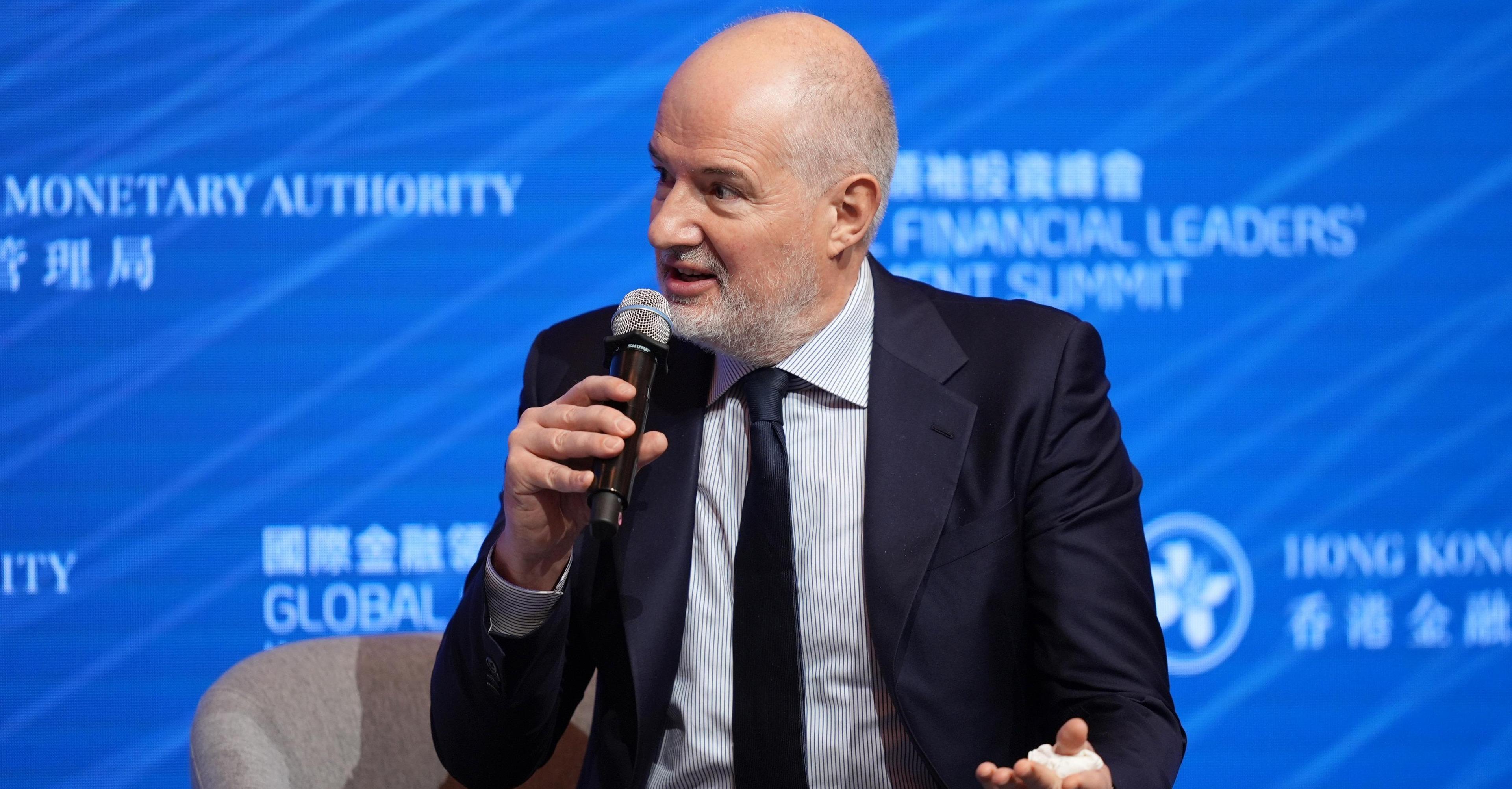
Please stop asking me when the AI bubble will pop
- 2 hours ago
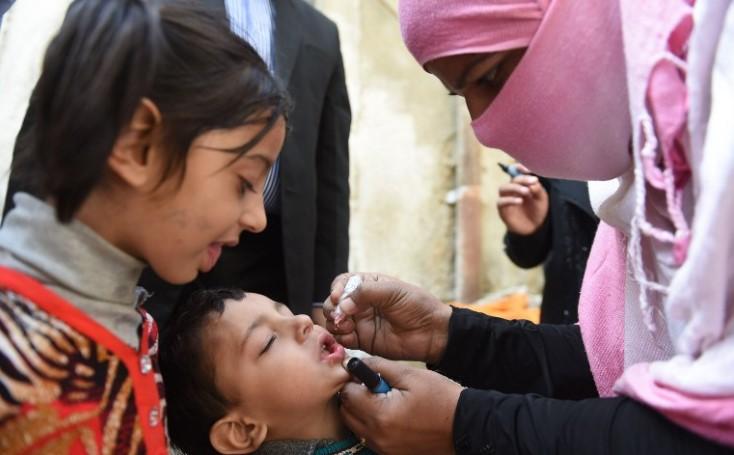
Week-long polio campaign ends with 24mn children vaccinated
- a day ago
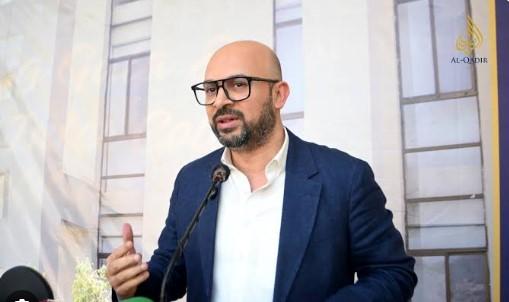
Jhelum DC removed over attempt to postpone exam for 'VIP visit'
- a day ago
Binance says hackers used fake job interviews and an internal AI tool to pull off the $6.3 billion heist
- a day ago
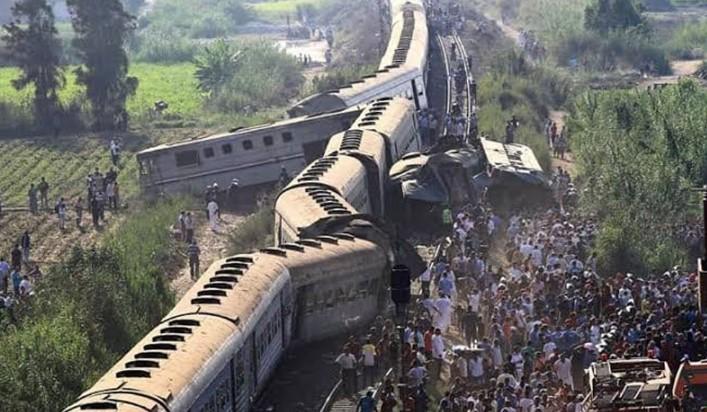
Train collision in Egypt’s Giza province kills four and injures 88, health ministry says
- a day ago
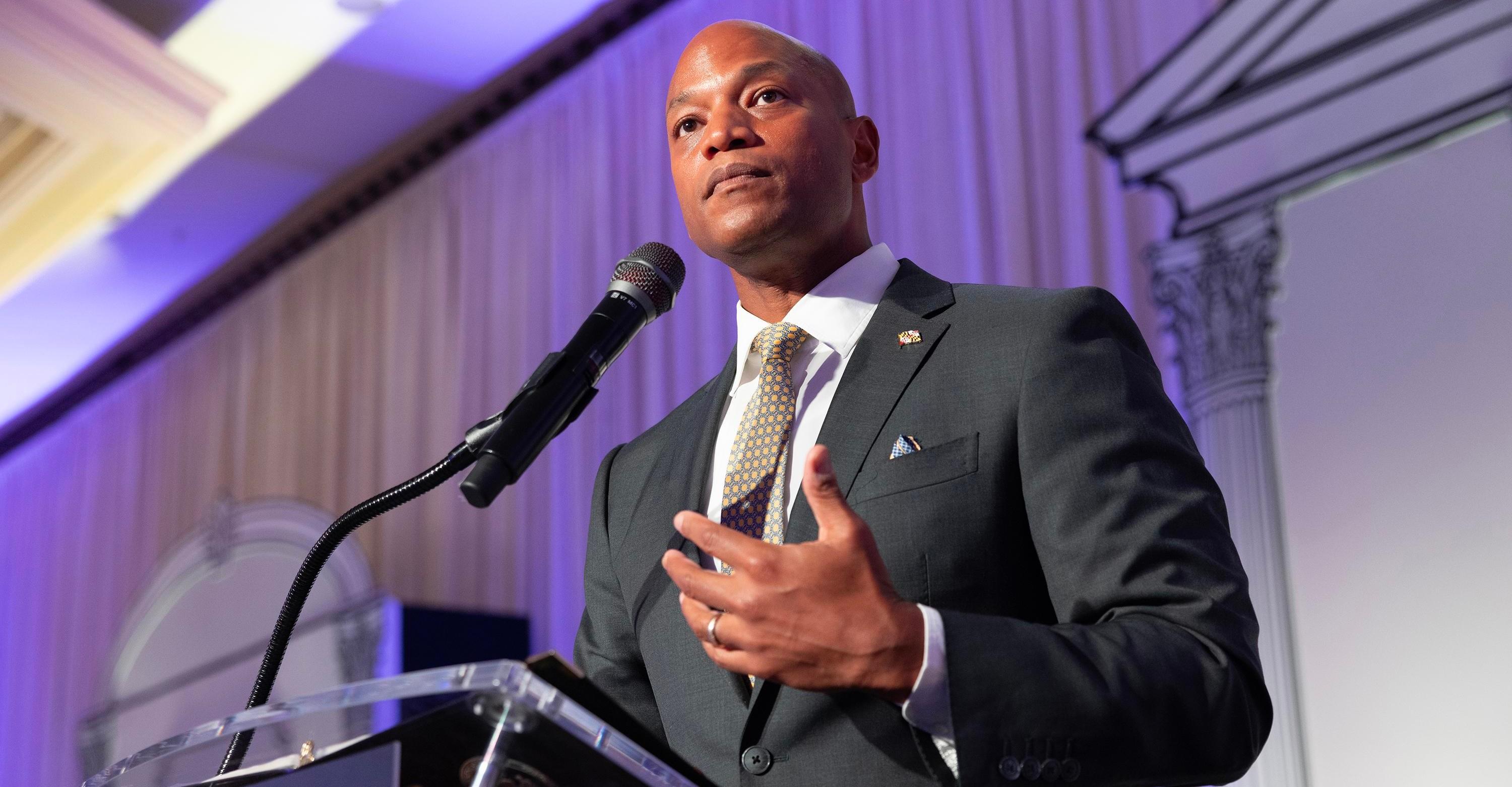
How Democrats can make good on their new mandate
- 15 hours ago

Gemini for Home now plugs into AT&T’s smart security system
- 17 hours ago

OpenAI is stepping back from NDAs for data center projects
- 2 hours ago
Canva is announcing changes and layoffs affecting 22 percent of its staff
- 2 hours ago