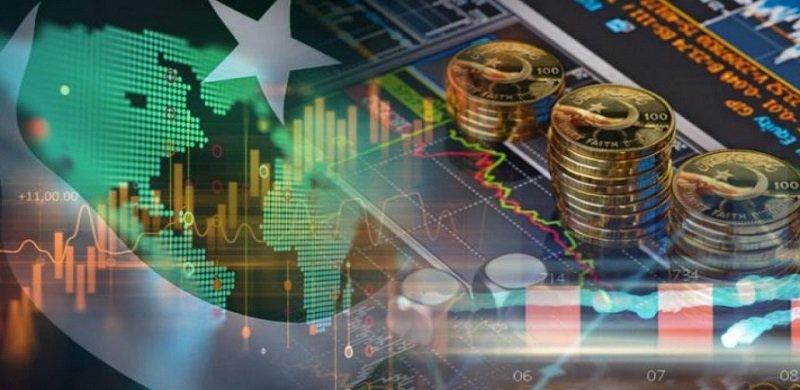
The coalition government claims it was Imran Khan’s poor government policies that took Pakistan to the verge of chaos, but the PTI supporters put blame on corruption of the PML-N and PPP

Muhammad Umar Bilal
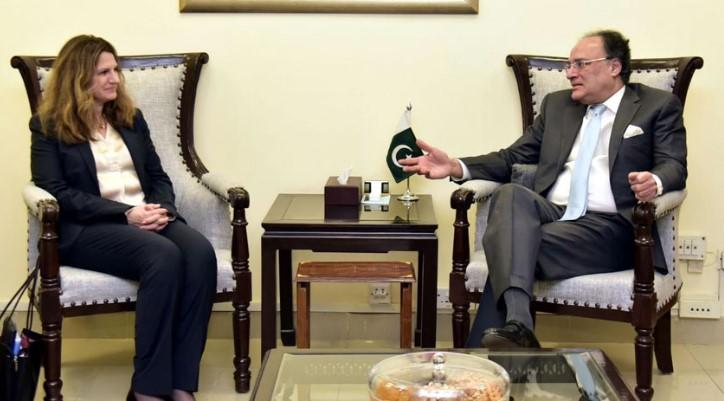
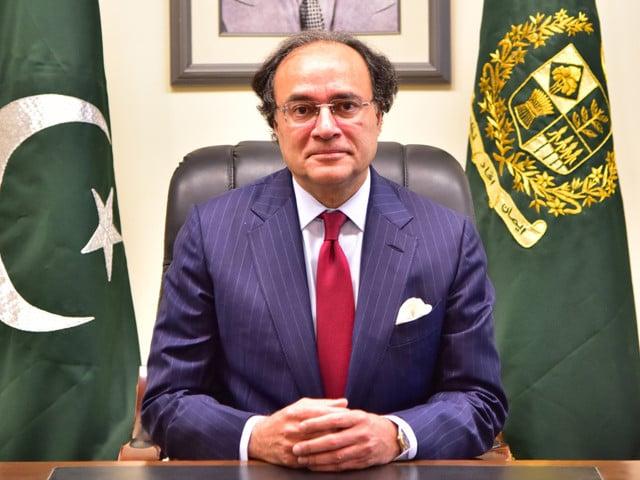
An interesting twist in the ongoing political soap opera is the selection of former finance minister annd PML-N leader Ishaq Dar for the role he had left some five years ago. The "so-called" financial wizard has promised to fix everything that has gone wrong with the country’s economy, let’s see.
Though all the political parties and institutions agree that the economy is a calamity, opinion is divided about who is responsible? No one is ready to take the responsibility.
The incumbent government claims it was Imran Khan’s bad and irresponsible government policies that took us to the verge of the chaos, but the PTI supporters propagate that it was the corruption of the PML-N and PPP that dragged the state to poverty and lawlessness.
The recently published annual Economic Survey of Pakistan confuses rather than clarifies those trying to evaluate recent economic performance. Former prime minister Imran Khan and his supporters claim that the PTI policies succeeded in taking GDP growth up to 6%, agricultural growth 6%, exports 27% and remittances grew up to 7.6%.
Anti-Imran analysts question the value of the survey, that uses artificial numbers, and even accuse government statisticians of using false numbers. They condemn the PTI government's economic performance, arguing that the inflation remained in double digits, there was a massive fall in the rupee exchange rate, the Current Account Deficit (CAD) rose from $0.5 billion to $15 billion due to increase in imports by 44%, while domestic and external debts also piled up.
Shehbaz Sharif, who became prime minister in April this year, though has a track record of achievements in Punjab, but he has been caught in the dilemma of rising petrol and electricity prices and uncontrolled inflation in a pre-election year. On the other hand, Imran Khan has been indulged in a series of power shows across the country to demand immediate snap elections.
After Shehbaz had secured his right to rule till the end of the term allowed by the Constitution, he risked the unpopular raising of energy prices. Miftah Ismail, bowing down to necessity, announced a budget aimed more at satisfying the IMF rather than Pakistani voters or investors. At best the budget will buy time but will do little to address the basic issues.
The most important steps to build the economy are to control the population, reform the bureaucracy to serve rather than oppressing the people, promote pro-private sector policies that make it safe and profitable to invest, improve the quality of the workforce, increase agricultural productivity through better use of land and water, privatize loss making state owned enterprises, reduce the dollar deficit by attracting FDI, to increase exports and reduce imports, and to reduce fiscal deficits by giving taxpayers a better reason to pay their taxes.
Bangladesh, whose economy is beating both India and Pakistan, explains its success, saying ‘This is what can be achieved when you have kids in school, women in the workforce, troops in their barracks, and Mullahs in their Masjids’. In Pakistan, the economy is least priority among democracy, security, and Islam
Democracy in Pakistan lacks the rule of law, but has regular elections in which money, power, and false promises determine the results. Uninformed, poverty stricken voters demand what the nation cannot afford to give and it is they who decide who will win. More often than not, they make the wrong decision. Governments avoid the risk of reforms and change, and retain the loyalties of their voters by giving subsidies supported by loose monetary policy and ever growing debt. Pakistanis believe strongly in spending more than they earn.
The policies advocated by the IMF and adopted by the Shehbaz government may take the economy out of danger zone, but the cost will be inflation and austerity-- a price that the voters aren't happy to pay.
In the coming elections, Imran Khan will blame the current government for the hard times, but any beneficial consequences will accrue to the post-election regime. Reforms and economic reconstruction seem unlikely, either before or after the elections.
.webp)
-- The writer is a journalist who writes over business and economic affairs
Cold weather and high prices could flip the Senate
- ایک دن قبل

Buying Apple’s wall-mounted HomeView? The mount costs extra
- 21 گھنٹے قبل

Trump’s revenge campaign comes for Ilhan Omar
- ایک دن قبل
Hands-on with the Apple Home Collection
- 21 گھنٹے قبل
Pakistan warns India against any misadventure: FO
- 2 دن قبل

Jodar apologises for swearing at ball kid in Shanghai
- 2 دن قبل

Here are all the new HomePod Mini 2 colors
- ایک دن قبل
Will November stop Trump’s agenda?
- ایک دن قبل

Character.AI files for bankruptcy
- ایک دن قبل

West Bank settlers brutally attack a Washington Post journalist
- 4 گھنٹے قبل
Florida’s uniquely horrifying death penalty system
- ایک دن قبل
The Ocarina of Time remake feels remarkably modern — and surprisingly terrifying
- ایک دن قبل