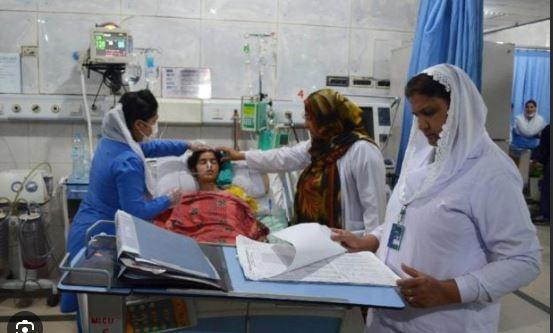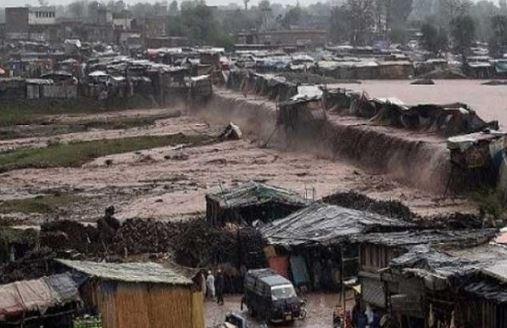
More than 42,000 cases have now been reported from the Americas and nearly 25,000 from Europe

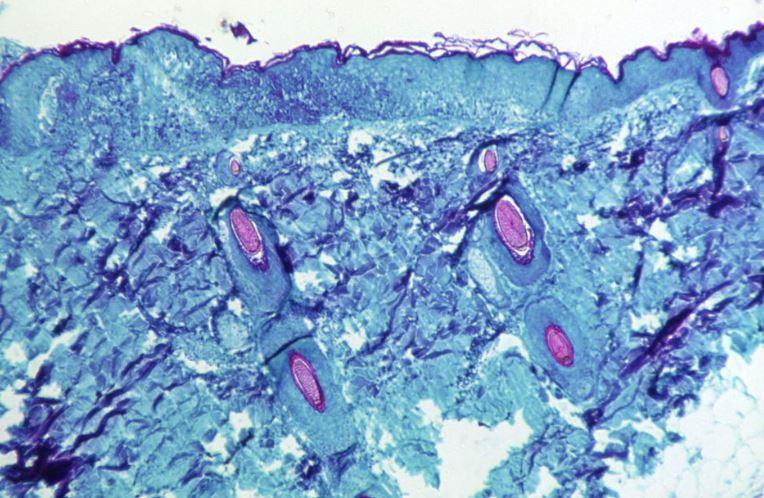
Case numbers in the global monkeypox outbreak have now topped 70,000, the World Health Organisation (WHO) announced on Wednesday as it warned that declining new cases did not mean people should drop their guard.
The WHO said that case numbers last week were on the rise in several countries in the Americas as it stressed that a slowdown worldwide in fresh cases could be the “most dangerous” time in the outbreak.
WHO chief Tedros Adhanom Ghebreyesus said more than 70,000 cases have now been reported to the UN health agency this year, with 26 deaths.
“Globally, cases are continuing to decline, but 21 countries in the past week reported an increase in cases, mostly in the Americas, which accounted for almost 90 per cent of all cases reported last week,” he told a press conference in Geneva.
“A declining outbreak can be the most dangerous outbreak because it can tempt us to think that the crisis is over, and to let down our guard.”
He said the WHO was working with countries to increase their testing capacity and to monitor trends.
“We are concerned about reports of cases in Sudan, including in refugee camps near the border with Ethiopia,” Tedros added.
“Like Covid-19, monkeypox remains a public health emergency of international concern, and WHO will continue to treat it as such.”
US worst hit
A surge in monkeypox infections has been reported since early May among men who have sex with men, outside the African countries where it has long been endemic.
More than 42,000 cases have now been reported from the Americas and nearly 25,000 from Europe.
Cases have been reported from 107 WHO member states this year, though 39 have registered no new cases in the past 21 days.
The 10 countries with the highest total number of cases are: the United States (26,723); Brazil (8,147); Spain (7,209); France (4,043); Britain (3,654); Germany (3,640); Peru (2,587); Colombia (2,453); Mexico (1,968); and Canada (1,400).
These countries account for nearly 87pc of global cases.
Where the given dataset was known, 97pc were men, with a median age of 35 years old; 90pc identified as men who had sex with men; and 49pc were HIV-positive, according to the WHO’s case dashboard.
The disease causes fever, muscular aches and large boil-like skin lesions.
SOURCE: AFP

Swift and Kelce marry as global stars swarm 'royal wedding'
- ایک گھنٹہ قبل
Pubs to stay open until 5am for England match!
- 12 گھنٹے قبل

Field Marshal Munir arrives in Tehran to attend Supreme Leader Ayatollah Ali Khamenei's funeral prayer
- ایک دن قبل

Madonna releases 15th studio album 'Confessions II'
- ایک دن قبل

Argentina survive Cape Verde scare to reach World Cup last 16
- 2 گھنٹے قبل
The Supreme Court can no longer explain itself
- 11 گھنٹے قبل

Huge crowds gather in Iran as funeral ceremonies for assassinated supreme leader begin
- ایک گھنٹہ قبل

A very Trump July 4
- 11 گھنٹے قبل

PM, Field Marshal attend Ayatollah Khamenei's funeral ceremony in Tehran
- ایک دن قبل

America’s housing was built for a world we no longer live in
- 11 گھنٹے قبل

Gold prices resume declining trend in Pakistan, global markets
- 2 گھنٹے قبل

5 books that define America — for better and for worse
- 11 گھنٹے قبل
.jpg&w=3840&q=75)